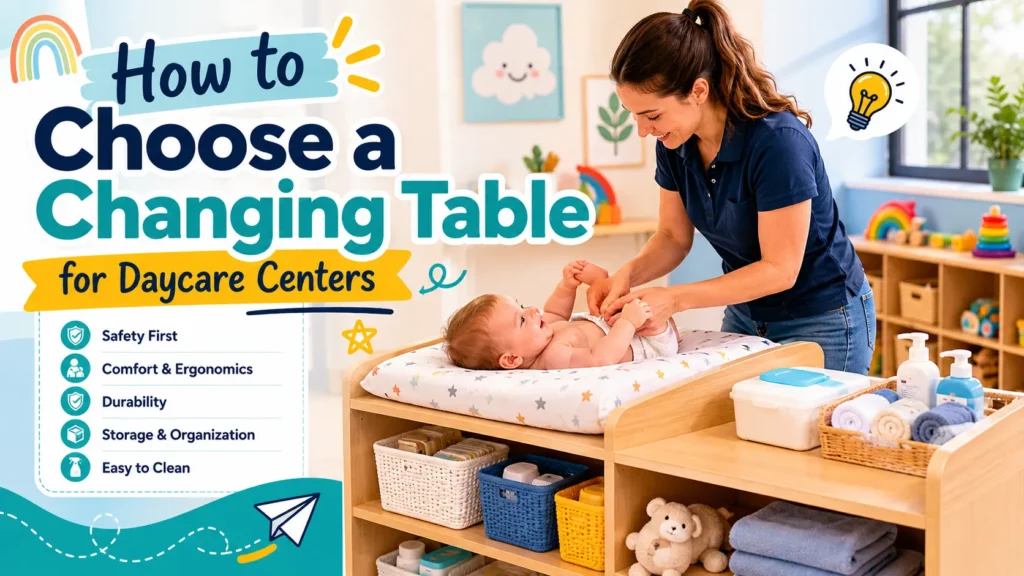
Are you trying to figure out how to choose a changing table that actually works in a busy daycare center? For childcare operators, the wrong table does not just take up space. It can slow down diaper changes, make supplies harder to reach, and create small daily problems that staff have to deal with again and again.
The right choice starts with one simple idea: a daycare changing table should fit the way your room operates. That means thinking about who will use it, how often it will be used, where it will sit, and whether it can support a safe, clean, and efficient diapering routine without making the caregiver’s job harder.
This guide breaks down the key decisions daycare owners and preschool buyers should make before choosing a changing table for daily childcare use.
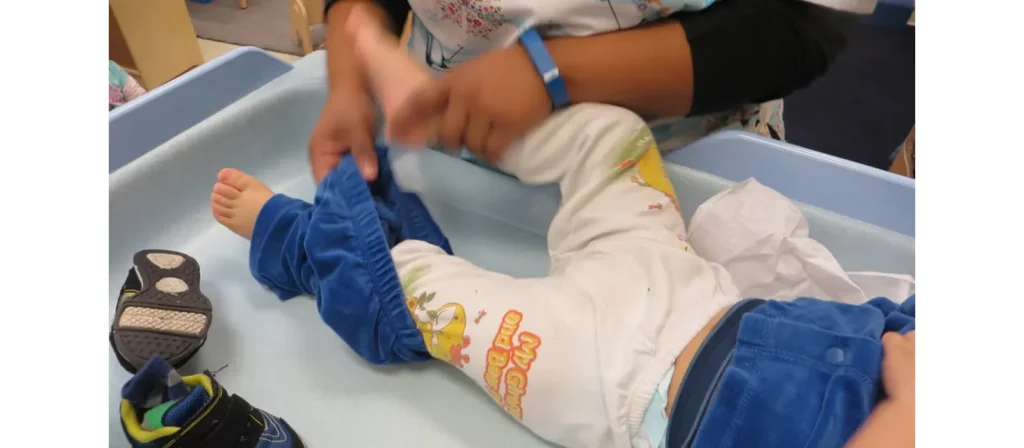
The Role of Changing Tables in Daily Daycare Operations
A changing table is used many times a day in infant and toddler rooms. The right one helps staff change children safely, keep supplies organized, clean the area faster, and manage the classroom with fewer interruptions.
Key benefits include:
- Safer diaper changes: A stable changing table with raised sides, smooth edges, and a secure surface gives caregivers a safer place to work. It helps reduce unnecessary movement and keeps the child in a more controlled area during each change.
- Smoother staff workflow: When diapers, wipes, gloves, liners, creams, and disposal supplies are close by, caregivers can finish each change without stepping away or searching for items. This saves time during busy classroom routines.
- Better supply organization: Built-in shelves or cabinets help keep daily diapering supplies in the right place. This makes the station easier to reset and helps staff avoid clutter around the changing area.
- Cleaner childcare environment: Smooth, sealed, wipeable surfaces make it easier to clean the table between uses. A good setup also helps separate clean supplies from used items, which supports better hygiene.
- More professional room setup: A clean and organized changing station shows parents and staff that the center takes daily care routines seriously. It also makes the classroom feel better managed and easier to operate.
Types of Diaper Changing Tables
Different changing table styles solve different daycare problems. For this section, don’t list every possible nursery product equally. Start with the models most relevant to daycare purchasing: high-use toddler rooms, storage-heavy classrooms, flexible spaces, and compact layouts. The goal is to help buyers quickly understand which type fits their room, staff routine, and daily diapering volume.
Changing Table with Stairs
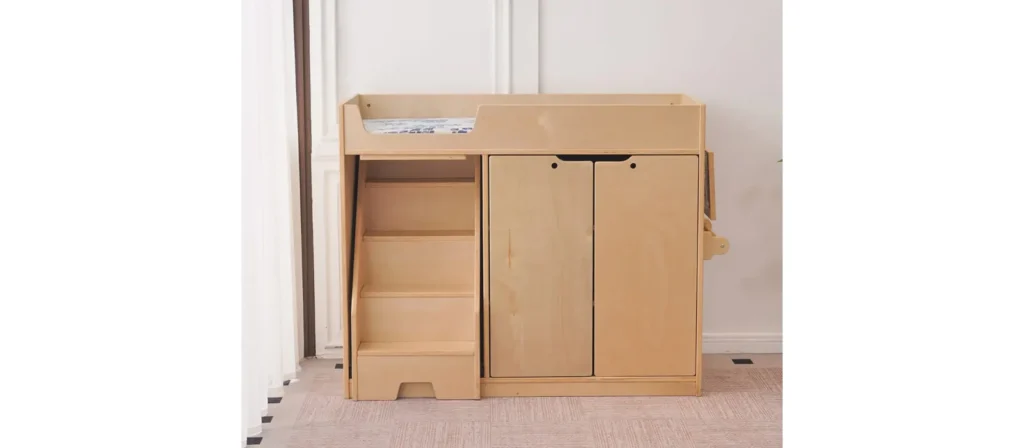
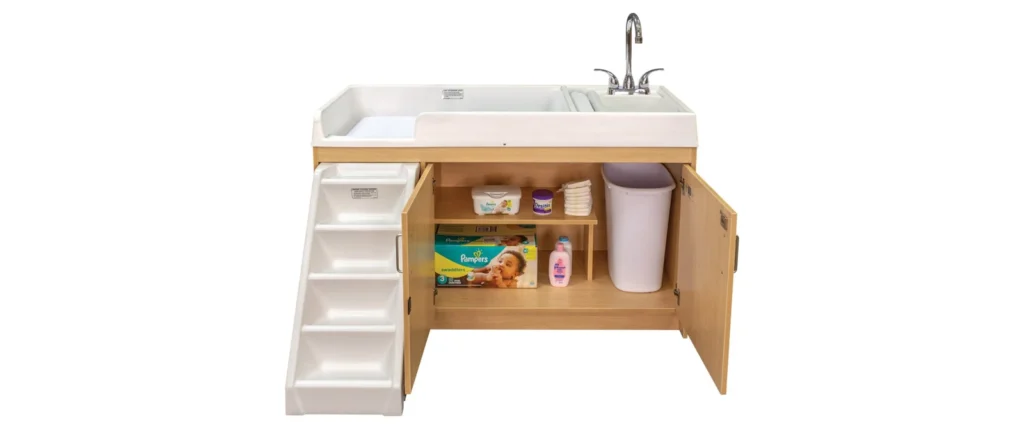
A changing table with stairs is one of the most practical choices for toddler rooms because it reduces how often caregivers need to lift children onto the table. This matters in daycare centers where staff may handle many diaper changes every day. The best models have stable steps, secure handholds, easy-clean surfaces, and steps that slide or lock away when not in use. For centers caring for older infants and toddlers, this style often delivers the strongest mix of safety, staff comfort, and daily efficiency.
Changing Table Dresser
A changing table dresser combines a changing surface with built-in drawers or cabinets, making it useful for centers that need strong storage in one fixed location. It can hold diapers, wipes, creams, spare clothes, and backup supplies without adding extra furniture to the room. This type is especially helpful when the daycare wants a cleaner, more furniture-like appearance. However, buyers should make sure the unit is commercial-grade, easy to clean, and stable enough for frequent childcare use.
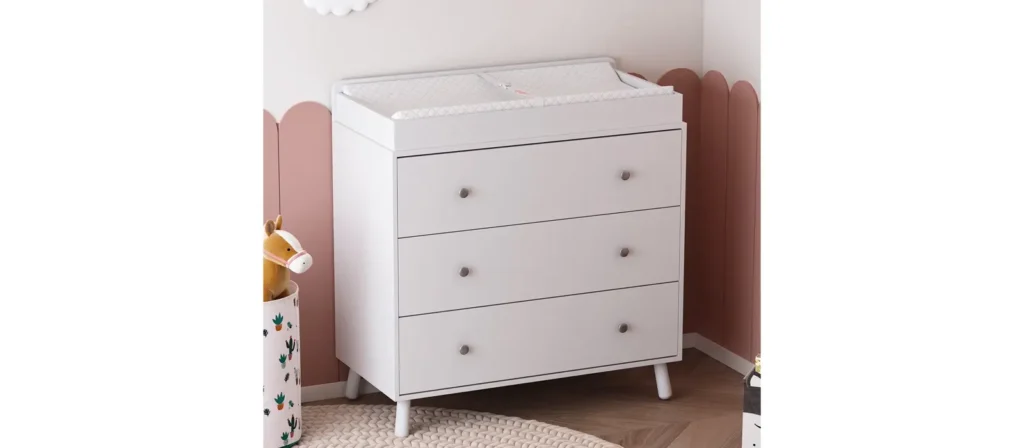
Crib with Changing Table
A crib with changing table combines sleep and diapering functions in one unit, usually with a small changing surface attached to the side or end of the crib. It can save space in infant rooms, especially where each child already has a dedicated crib area. Still, this type is usually more common in home nurseries than high-volume daycare rooms. For commercial childcare, it should only be considered when the layout, cleaning routine, and supervision flow make sense.
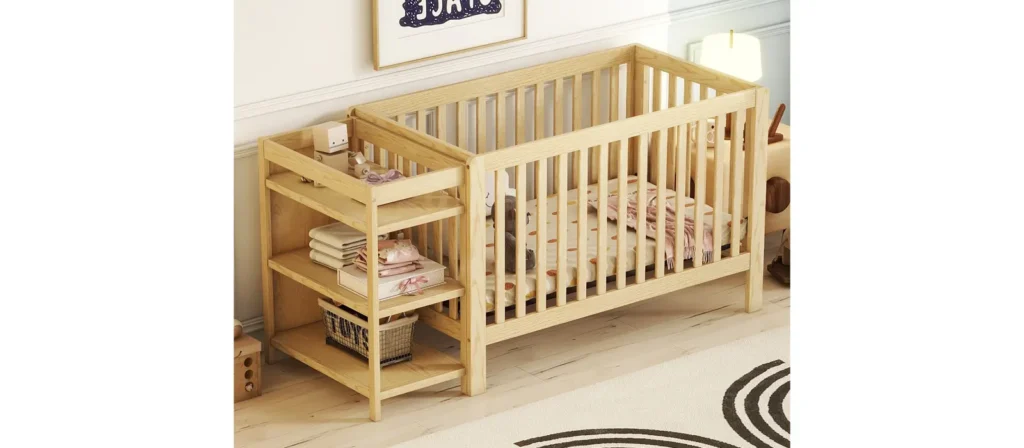
Changing Table with Wheels
A changing table with wheels works well for flexible classrooms, shared spaces, or centers that need to move furniture for cleaning and room adjustments. The main advantage is mobility, but the safety depends heavily on caster quality and reliable wheel locks. For daycare use, the table must stay firmly in place during every diaper change. This style is useful when flexibility matters, but it should not feel lightweight or unstable.
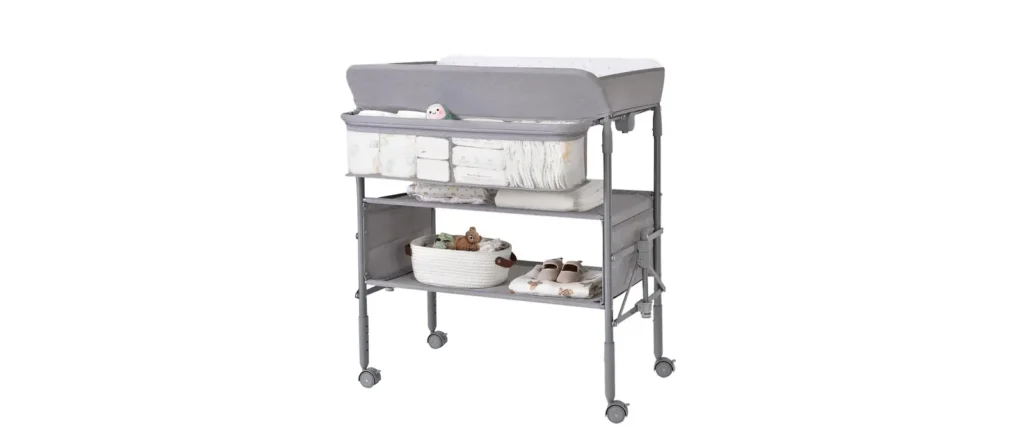
Wall-Mounted Changing Table
A wall-mounted changing table folds up when not in use, making it a strong option for restrooms, narrow spaces, or occasional-use changing areas. It saves floor space and can support a clean, uncluttered layout. In daycare centers, proper installation is critical because the table depends on wall strength and secure mounting. This style is usually better for limited-space areas than for high-volume infant classrooms that need more storage.

Compact or Corner Changing Table
A compact or corner changing table helps daycare centers use tight classroom space more efficiently. Corner units can turn unused room corners into practical changing areas, while compact models reduce the overall footprint. This type is helpful in older buildings, small classrooms, or urban childcare centers where space is limited. The key is to make sure the smaller size does not sacrifice safe surface area, storage, or staff working clearance.
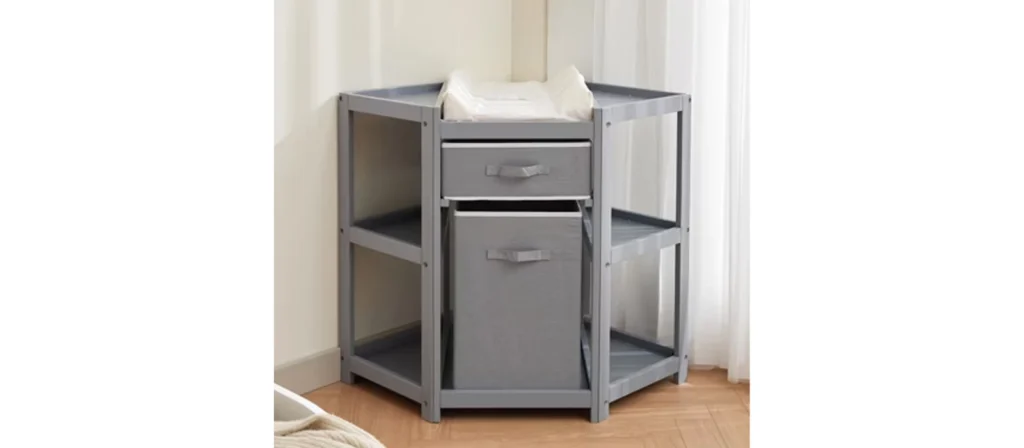
Changing Table with Sink
A changing table with sink is designed for centers that want a more complete hygiene station in one area. It can support better handwashing flow, faster cleanup, and a more organized diaper-changing routine. This option is especially useful for new daycare buildouts or renovated infant rooms. The main considerations are plumbing access, installation cost, cleaning requirements, and available room layout.
Changing Pads and Baskets
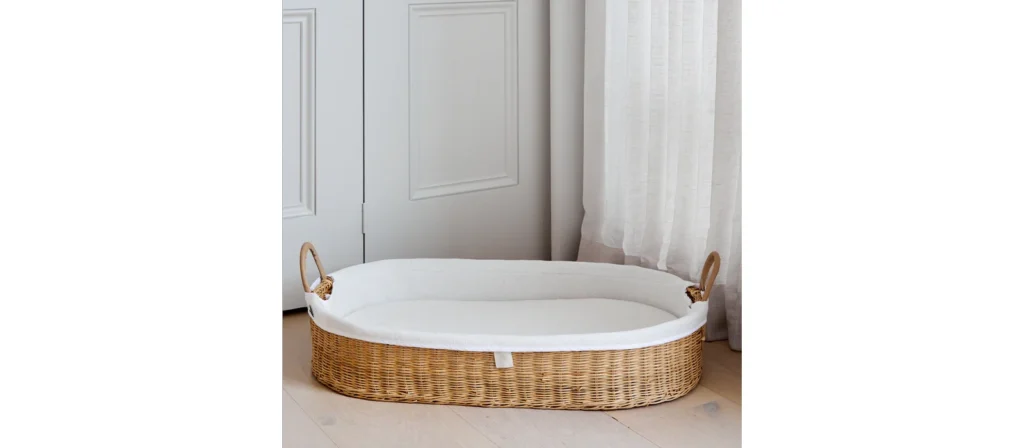
Changing pads and baskets are not full changing tables, but they are sometimes used on top of existing flat furniture. For daycare centers, this option should be treated carefully because the surface underneath must be stable, secure, easy to clean, and suitable for childcare use. It may work as a limited or temporary solution, but it is usually not ideal for a professional daycare station that needs storage, durability, and consistent safety features.

How to Choose a Changing Table That Fits Your Center
The best changing table is the one that matches how your daycare actually works. Before comparing styles or prices, look at your room size, diaper-changing volume, caregiver routine, storage needs, and cleaning process. A good daycare changing table should feel sturdy, stay easy to sanitize, keep supplies close, and help staff complete diaper changes safely without slowing down the classroom.
Start With Commercial-Grade Durability
A daycare changing table needs to handle far more use than a home nursery table. Look for smooth, non-porous surfaces, strong construction, and materials that resist staining, warping, scratching, and moisture damage. Laminates, sealed engineered wood, and other commercial-friendly finishes are usually easier to wipe down throughout the day. If the table feels light, wobbly, or hard to clean in the showroom, it will usually become a bigger problem after months of daily daycare use.
Choose a Caregiver-Friendly Height
Height matters because caregivers may change diapers dozens of times a day. A table that is too low causes repeated bending, while one that is too high can make lifting and positioning children awkward. Many changing tables fall around 36 to 43 inches high, but the right choice should align comfortably with staff waist or elbow height. For toddler rooms, a changing table with stairs can also reduce lifting strain and make daily routines easier for caregivers.
Prioritize Safety Before Extra Features
Safety features should guide the purchase before appearance or add-ons. Choose a stable, tip-resistant table with raised edges or guardrails, rounded corners, and a secure changing surface. Safety straps can provide backup support, but they should never replace direct caregiver supervision. For daycare centers, the table should stay steady during repeated use and feel secure enough for both infants and toddlers.
Select Surfaces Built for Hygiene
A daycare changing table must be easy to clean between children. Non-porous surfaces, smooth edges, minimal seams, and moisture-resistant finishes make daily sanitizing faster and more reliable. Built-in paper roll dispensers or space for disposable liners can also help create a clean barrier for each child. Avoid tables with deep cracks, peeling edges, or absorbent materials, because those areas are harder to keep sanitary over time.
Plan Storage Around Daily Supplies
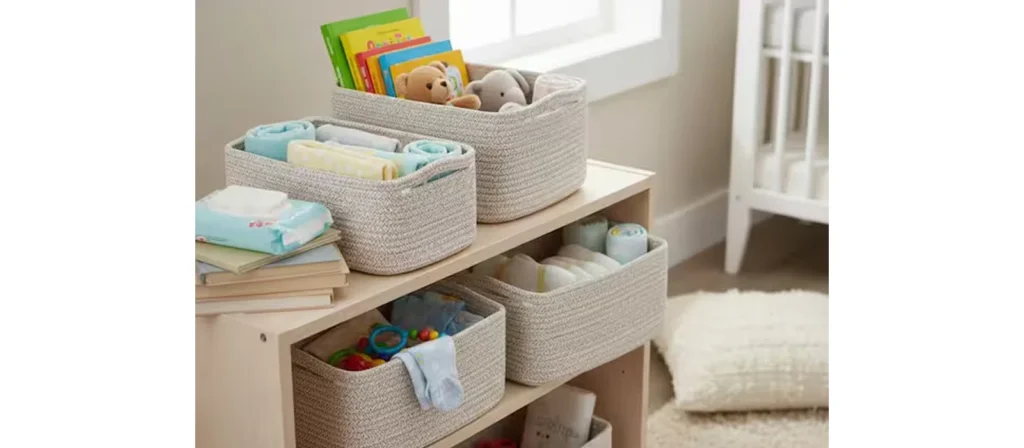
Storage is part of the workflow, not just a convenience. A good changing table should keep diapers, wipes, gloves, creams, liners, spare clothing, and child-specific items within staff reach but away from children. Open shelves work well when caregivers need fast access and clear visibility. Closed cabinets or drawers are better when the center wants a cleaner look, dust protection, or more controlled supply storage. The right choice depends on how your staff restocks and uses the station during the day.
Match the Style to the Room
Different daycare spaces need different table types. Freestanding changing tables work well in dedicated infant or toddler rooms. Dresser-style changing tables offer deeper storage and a more finished furniture look. Wall-mounted stations are useful in tight restrooms or multi-purpose spaces where floor space is limited. A changing table with wheels can help in flexible rooms, but only if the casters lock securely and the table remains stable during use.
Safety Details That Should Guide the Purchase
Safety should shape the purchase before style, storage, or price. In a daycare center, a changing table is used repeatedly by different caregivers and for children at different stages of development. The safest option is not just the one with the most features, but the one that helps staff maintain control, reduce fall risks, and follow the same safe routine every time.

Stable Commercial Construction
A daycare changing table should feel solid before anything else. If the unit rocks, shifts, or feels lightweight, it is not a good fit for repeated childcare use. Commercial-grade construction helps the table stay steady while caregivers lift children, reach for supplies, clean the surface, and reset the station. A stable frame also supports staff confidence, which matters when diaper changes happen during busy classroom hours.
Raised Sides or Guardrails
Raised sides or guardrails help define the changing area and add an extra layer of protection while the child is on the table. For daycare use, these edges should be smooth, secure, and high enough to support safer positioning without making the surface awkward to clean. They do not replace hands-on supervision, but they do help reduce unnecessary movement during each diaper change.
Rounded Edges and Smooth Finishes
Corners, edges, and surface finishes matter more in daycare than many buyers expect. Rounded edges help reduce bumps and scrapes, especially in rooms where staff and children move around the changing area throughout the day. Smooth finishes also make cleaning easier because there are fewer rough spots where dirt, moisture, or residue can collect.
Safety Straps as Backup Support
Safety straps can be useful, but they should be treated as backup support rather than the main safety system. Caregivers still need to keep close attention on the child and avoid stepping away during a change. When choosing a table, check that the straps are easy to use, easy to clean, and securely attached. If staff find them awkward or slow, they are less likely to use them correctly.
Non-Slip Feet or Locking Casters
The table should stay firmly in place during every diaper change. For fixed tables, non-slip feet help prevent shifting on smooth floors. For mobile changing tables, locking casters are essential because the unit must not roll or move while a child is on it. Wheel locks should be easy for staff to engage and strong enough to hold the table steady during normal use.
Weight Capacity for Infants and Toddlers
A daycare changing table should match the real age range and size of the children using it. Infant rooms, toddler rooms, and mixed-age spaces may all have different needs. Buyers should check the weight capacity carefully and avoid choosing a table based only on the average child. The safer choice is one that can handle the heaviest expected users while still feeling stable and comfortable for staff.
Tip-Resistant Design
Tip resistance is important because daycare furniture often faces repeated movement, cleaning, and daily contact from staff and children. A well-designed changing table should have a balanced base, strong frame, and secure construction that helps prevent tipping during normal use. This is especially important for models with drawers, stairs, wheels, or tall storage sections. A safe table should stay reliable even when the room gets busy.
Size, Height, and Space Planning
A daycare changing table should be comfortable for caregivers to use many times a day. A practical way to estimate the right height is to measure from the floor to the caregiver’s elbow, then choose a changing surface about 4–6 inches / 10–15 cm below elbow height. This keeps the child high enough for safe handling while reducing back strain during repeated diaper changes.
| Caregiver Height | Recommended Changing Surface Height |
|---|---|
| 5’3″ / 160 cm | 33.5″ / 85 cm |
| 5’7″ / 170 cm | 35.5″ / 90 cm |
| 5’11” / 180 cm | 39.5″ / 100 cm |
| 6’3″ / 190 cm | 41.5″ / 105 cm |
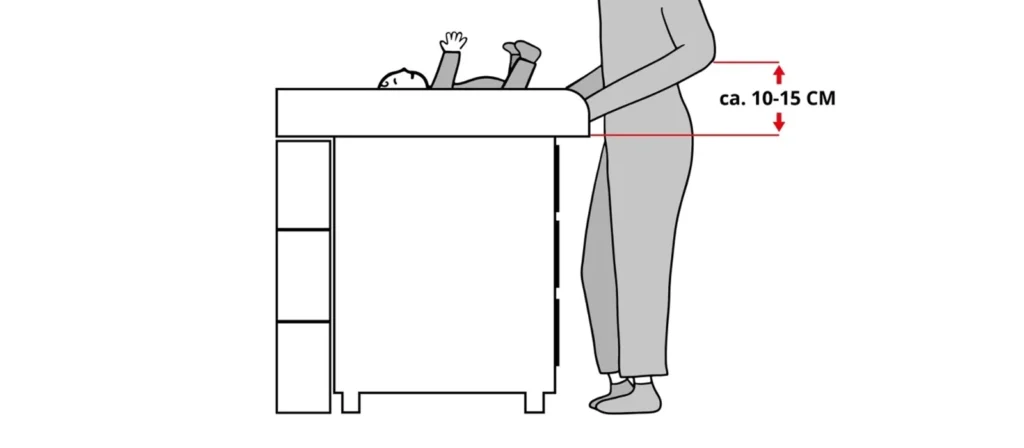
For daycare centers with staff of different heights, avoid choosing a table based on one person only. A mid-range height often works best for shared classrooms, while a sturdy step stool can help shorter caregivers work more comfortably when needed. If the center handles frequent toddler changes, a changing table with stairs can also reduce lifting and make the station easier on staff throughout the day.
Space planning matters just as much as height. The changing table should leave enough room for caregivers to stand, open drawers, pull out steps, reach supplies, and dispose of diapers without stepping away from the child. In smaller rooms, compact or wall-mounted options can help save floor space, but they should still provide a secure changing surface and a comfortable working position.
For a quick size check, buyers can also compare the common dimensions of major changing table styles. These ranges are general references, but they help daycare centers understand how much room each option may need before placing an order.
| Changing Table Style | Typical Width | Typical Depth | Typical Height | Idéal pour |
|---|---|---|---|---|
| Freestanding Standard | 32–40 in / 81–102 cm | 18–22 in / 46–56 cm | 36–42 in / 91–107 cm | Dedicated daycare changing areas with regular storage needs |
| Dresser Combo | 30–50 in / 76–127 cm | 16–20 in / 41–51 cm | 34–38 in / 86–97 cm | Centers that need deeper drawer storage and a furniture-style setup |
| Wall-Mounted / Fold-Down | 28–36 in / 71–91 cm | 14–18 in / 36–46 cm | 34–40 in / 86–102 cm | Small rooms, restrooms, or tight spaces where floor space is limited |
| Portable / Rolling | 28–36 in / 71–91 cm | 14–20 in / 36–51 cm | 34–40 in / 86–102 cm | Flexible rooms that need mobility, backup stations, or easy repositioning |
The best size is not always the largest size. For daycare use, the right changing table should match staff height, support safe diapering, leave enough space around the station, and fit the daily flow of the room.
How Many Changing Tables Your Daycare Really Needs
Start with the number of children who still need diaper changes. A practical guideline is 1 changing table for every 10–12 infants et 1 changing table for every 15–20 toddlers. Infants usually need more frequent changes, while toddlers may need fewer if some are already toilet training.
If infants and toddlers are in separate rooms, each room should usually have its own changing table. This keeps staff from carrying children between classrooms and helps each room maintain its own supplies, cleaning routine, and diapering flow. In larger daycare centers, apply the ratio by room or care zone, not just by total enrollment.
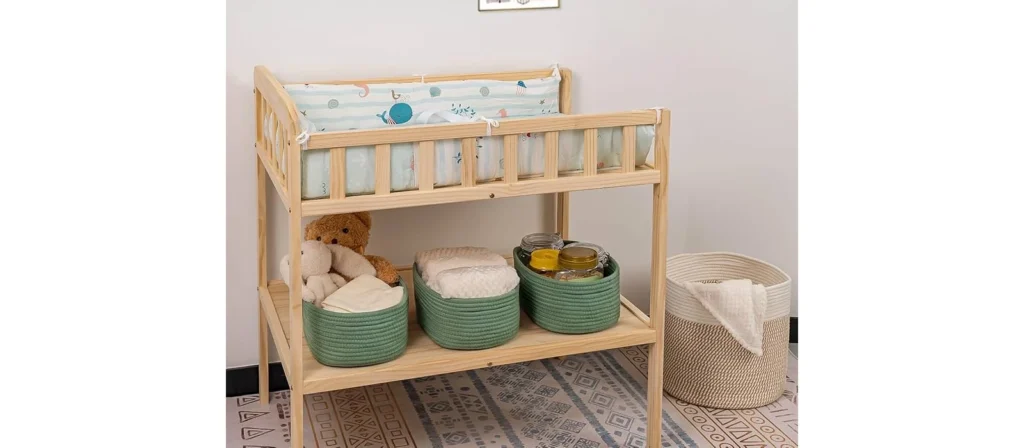
For example, a center with 20 infants and 20 toddlers would typically need 3 changing tables as a baseline: 2 for the infant group and 1 for the toddler group. If the layout is split across multiple rooms or peak diapering times create delays, adding a fourth station may make daily routines smoother.
The goal is not to buy extra tables without reason. The right number should prevent waiting, reduce staff movement, and keep diaper changes safe and realistic during the busiest parts of the day.
Choose Based on Long-Term Commercial Value
A good daycare changing table should be safe, easy to clean, comfortable for staff, practical for storage, and durable enough for daily use. It should fit the children you care for, the room layout, and the way your staff handle diaper changes during busy hours. The right choice is not just about one product; it supports a cleaner, safer, and more efficient childcare environment.
À TOP Montessoris, we focus on furniture solutions for kindergartens, preschools, and childcare centers. Our product planning considers how classrooms are actually used each day, from diapering areas and storage zones to activity spaces and age-appropriate layouts. That means a changing table can be selected as part of a complete classroom setup, rather than as a separate item that may not match the rest of the space.
For daycare operators, long-term value comes from choosing furniture that holds up under real commercial use. A well-built changing table can reduce daily friction for caregivers, support better organization, and help the center maintain a professional environment parents can trust.
FAQ
Is a wall-mounted changing table suitable for daycare centers?
A wall-mounted changing table can work well in small restrooms or tight spaces, but it is usually not the best main station for a high-volume infant room. It saves floor space, but it often provides less storage than a freestanding daycare changing table.
What supplies should stay near a daycare changing table?
Daily supplies should include diapers, wipes, gloves, disposable liners, diaper cream, spare clothing, cleaning products, and a covered disposal bin. The goal is to keep everything close enough so caregivers do not need to step away during a diaper change.
How often should daycare changing tables be inspected?
A daycare changing table should be checked regularly for loose hardware, wobbling, damaged surfaces, worn straps, broken hinges, and cleaning problems. A quick daily visual check and a more detailed monthly inspection can help catch issues before they affect safety.
When should a daycare replace its changing table?
A changing table should be replaced when it becomes unstable, hard to sanitize, cracked, peeling, swollen, or uncomfortable for staff to use. If repairs no longer solve the problem, replacement is usually the safer long-term choice.
Are compact changing tables a good idea for small daycare rooms?
Compact changing tables can be useful in small rooms, but they should not sacrifice safety or workflow. The table still needs enough surface area, storage access, and staff working space. If supplies end up too far away, the compact design may create new problems.
Do daycare changing tables need built-in paper roll holders?
A built-in paper roll holder is not always required, but it can be helpful in childcare settings. It gives staff an easy way to place a fresh disposable barrier for each child and can make cleanup faster between diaper changes.





 FR
FR  EN
EN  AR
AR  IT
IT  DE
DE  ES
ES  TH
TH  JA
JA  TR
TR