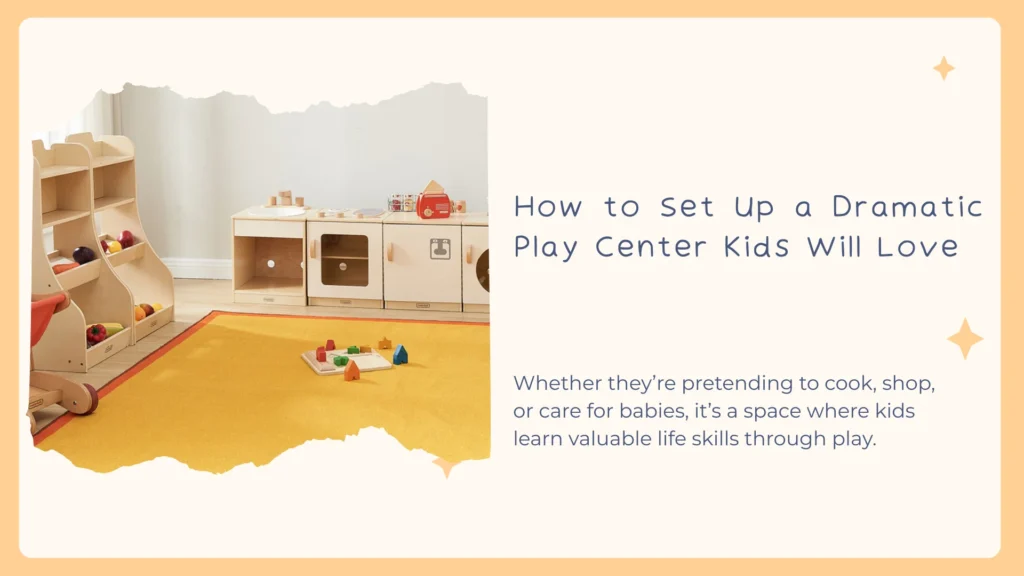
A dramatic play center is a powerful tool for young children to explore different roles, build social skills, and use their imagination. Whether they’re pretending to cook, shop, or care for babies, it’s a space where kids learn valuable life skills through play.
Setting up this type of center doesn’t have to be overwhelming. With the right planning and materials, you can create a fun and educational space that adapts to your students’ interests and encourages creativity. Let’s dive into the steps for creating a dramatic play center your preschoolers will love.
Why Should You Have a Dramatic Play Center in Preschool?
A dramatic play center is an important part of any preschool classroom. It gives children a chance to explore different roles, act out everyday experiences, and use familiar materials in meaningful ways. As children pretend to cook, shop, care for babies, or visit the doctor, they are learning about the world around them through play.
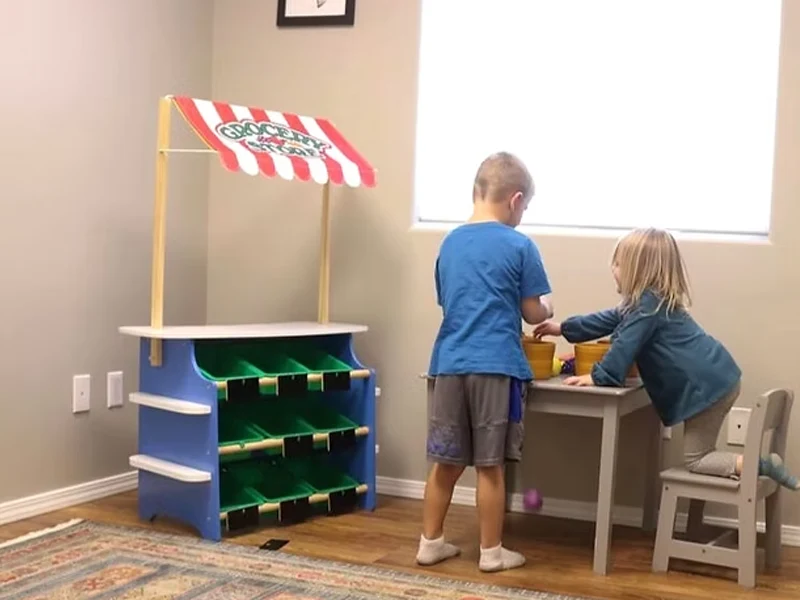
Dramatic play also supports many areas of early childhood development. Children build language skills as they talk with one another and use new words in real situations. They practice social skills when they share space, take turns, solve problems, and work together during play. At the same time, they are learning about their community, daily routines, and the different jobs people do.
Just as importantly, a dramatic play center makes learning feel natural and engaging. Children can write lists, read simple signs, count pretend food, or use play money without feeling like they are doing formal work. In a preschool classroom, that kind of hands-on learning is valuable. A well-planned dramatic play center gives children a space to imagine, create, and learn all at once.
Where Should a Dramatic Play Center Be Placed?
A dramatic play center should be placed in a part of the classroom where children have enough room to move and play together. Since this area often becomes active and social, it works best away from quiet centers and busy walkways.
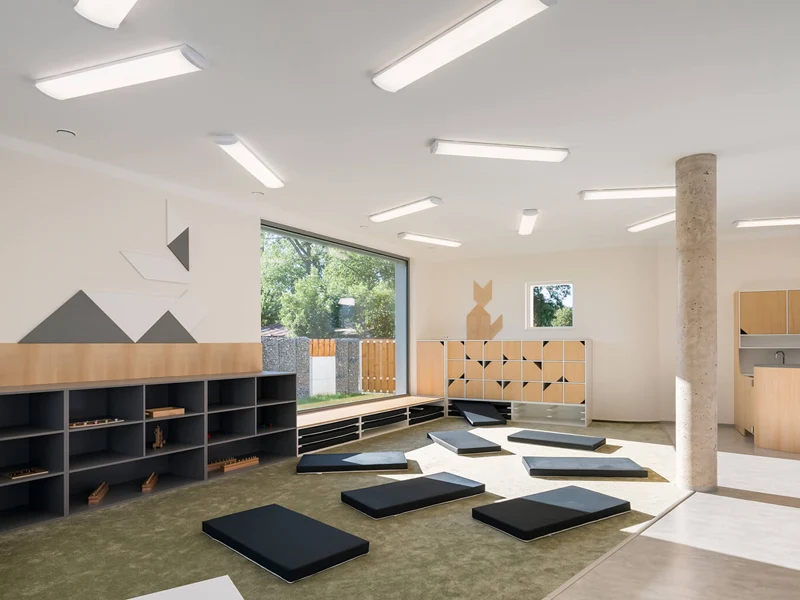
It is also important to choose a spot that is easy for children to access and easy for you to supervise. A clearly defined space helps children stay focused in their play and makes the center feel more inviting.
Even in a small classroom, a dramatic play center can work well. It does not need a large area. It just needs enough space for children to use the materials comfortably and enjoy playing with one another.
Choose the Dramatic Play Themes
The theme is what gives your dramatic play center direction. It helps children know how to enter the space, what roles they can try, and how to use the materials around them. The best themes are usually the ones children already understand from daily life.
Start with simple, familiar themes such as:
- home or kitchen
- grocery store
- restaurant
- doctor’s office
- bakery
- post office
- pet clinic
- flower shop
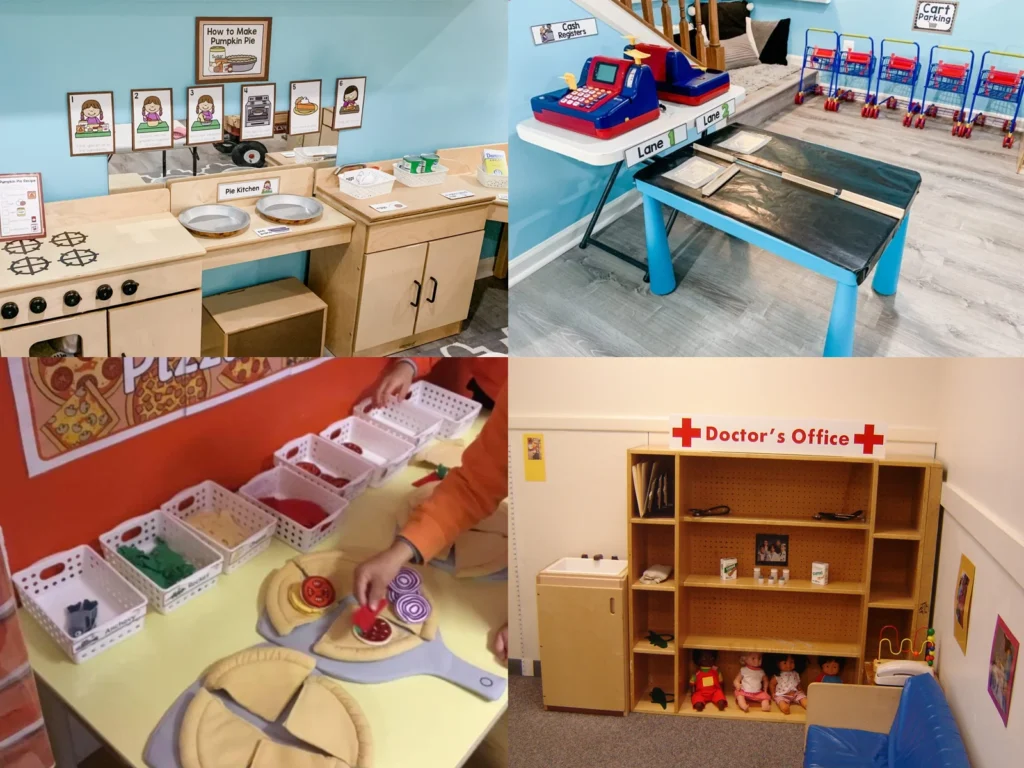
You can also rotate in seasonal or interest-based themes to keep the center fresh, such as:
- camping
- ice cream shop
- farmers market
- pumpkin patch
- holiday bakery
- birthday party
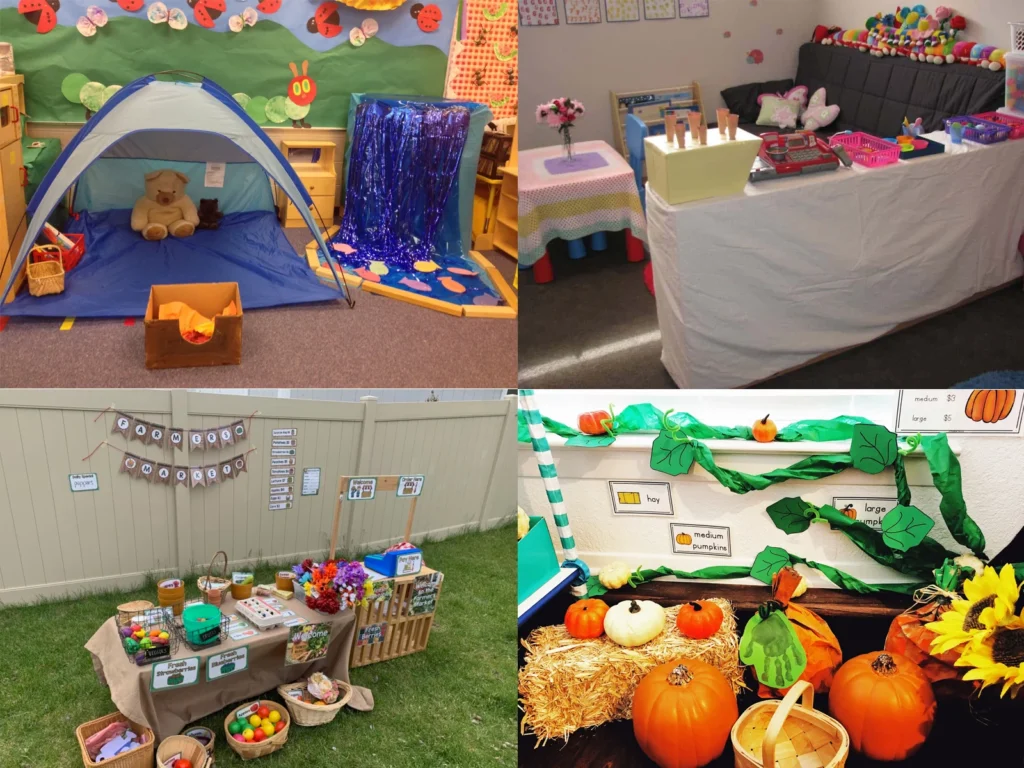
When choosing a theme, think about three things: what your students are interested in, what skills you want to support, and what materials you already have. You do not need an elaborate setup every time. In most preschool classrooms, simple themes work best because children can jump into play right away and build on what they already know.
For more theme ideas and inspiration, check out this list of Dramatic Play Themes for Preschool that will keep the play center exciting and educational.
What Should Be in a Dramatic Play Area?
A well-equipped dramatic play area is essential for fostering creativity, social skills, and problem-solving in preschoolers. Here are some of the must-have items to make your dramatic play center come to life:
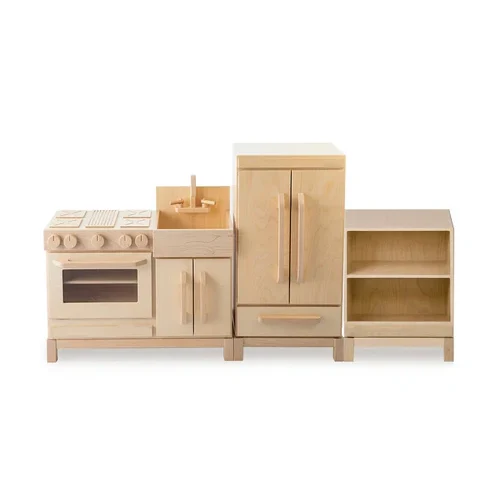
- Play Kitchen Set: This charming kitchen set includes a sink, stove, and refrigerator, allowing children to role-play cooking, cleaning, and meal prep. It’s perfect for practicing everyday routines and encouraging collaborative play with friends.
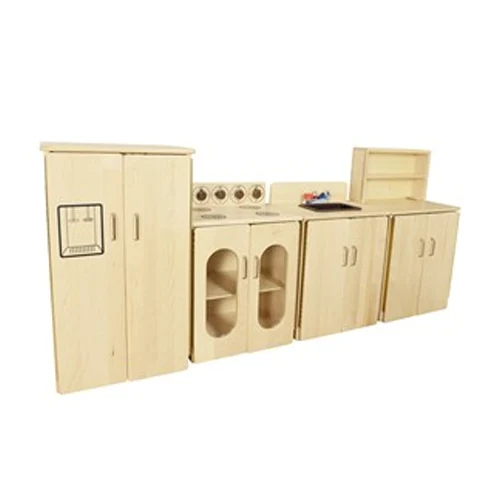
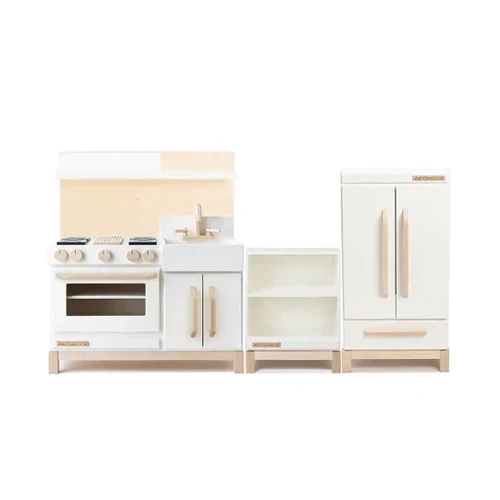
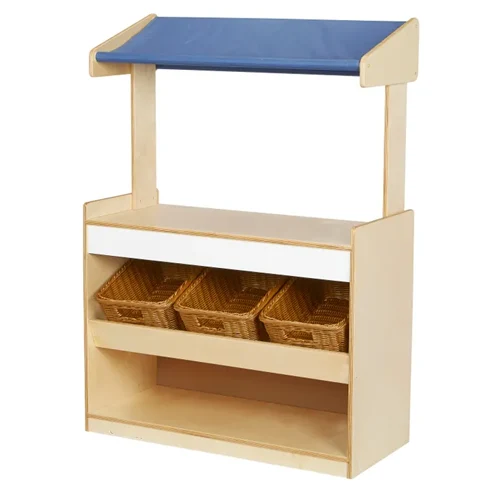
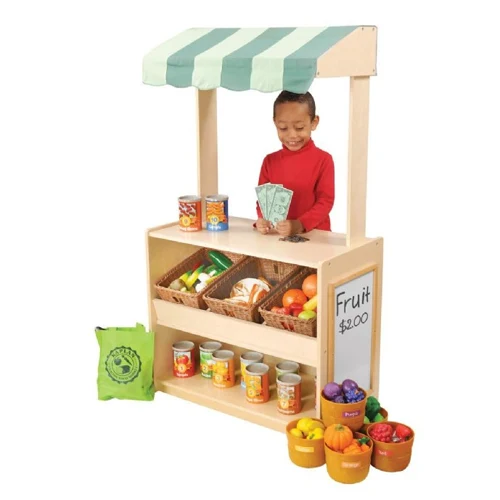
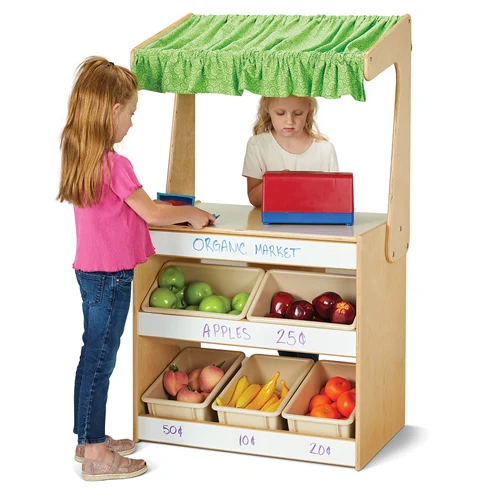
- Market Stand: A wooden market stand that enables children to role-play as shopkeepers or customers. This setup promotes early math skills, such as counting and exchanging money, while encouraging social interaction.
- Doll Care Set: A set complete with cribs and doll accessories, designed for children to take on the role of caregivers. This promotes empathy, responsibility, and imaginative play.
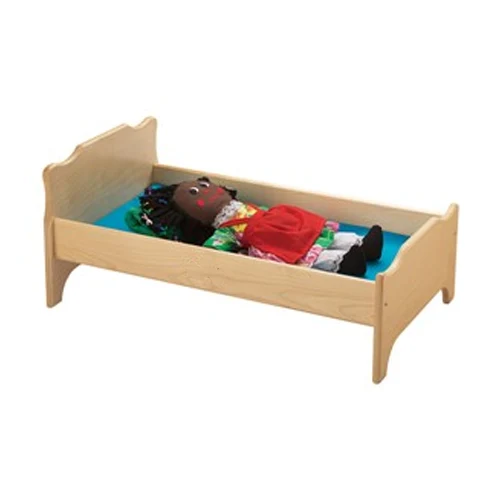
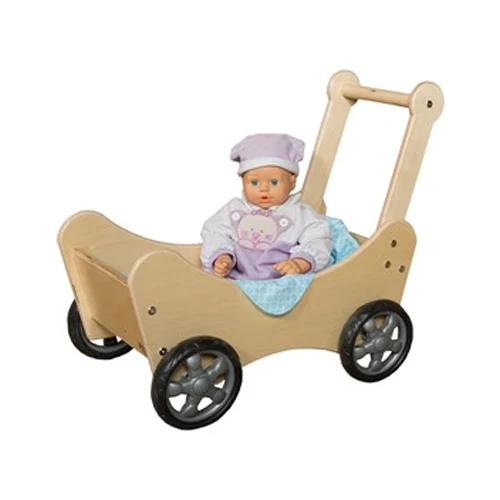
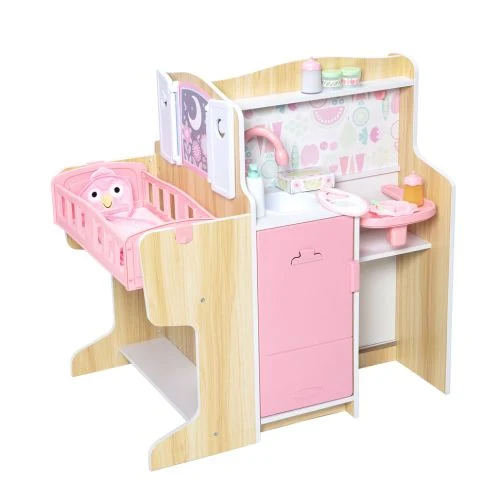
- Dress-Up Wardrobe: A wardrobe full of costumes and accessories, perfect for pretend play. Dressing up allows children to explore different roles, expand their vocabulary, and practice social skills in a fun, interactive way.
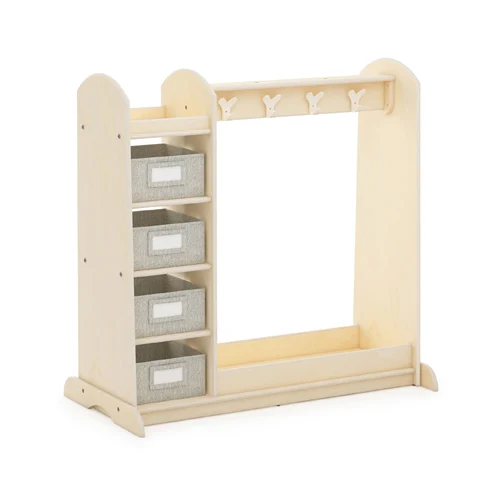
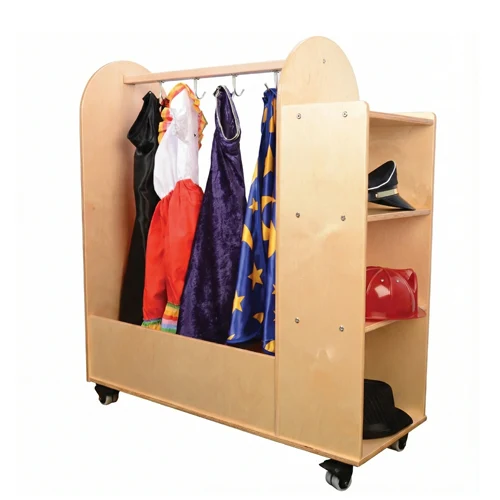
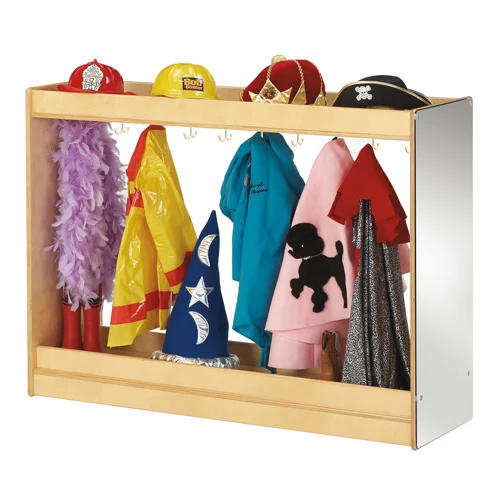
These thoughtfully chosen materials from Top Montessoris help create a rich, engaging dramatic play space. They allow children to develop essential skills such as communication, empathy, and creativity, all while enjoying hours of imaginative fun. Explore our collection to build a dramatic play area that your preschoolers will love!
Arrange the Space for Play
Once you have chosen the location, theme, and materials, the next step is arranging the space in a way that feels open and inviting. Children should be able to move easily, see the materials clearly, and begin playing without needing too much help. A simple layout often works better than a crowded one.
Start by placing larger items first, such as shelves, tables, or a play kitchen, to define the area. Then organize smaller props in baskets, bins, or trays so children can reach them on their own. Keeping similar items together makes the center easier to use and easier to clean up.
It also helps to add small details that support pretend play. Signs, labels, menus, or simple decorations can make the theme feel more real and encourage children to jump into different roles. The goal is to create a space that feels clear, purposeful, and ready for play.
Incorporating Math
A dramatic play center is also a great place to add simple math practice. Children can count pretend food, sort items by type, compare sizes, or use play money during pretend shopping. These small activities make math feel natural because they happen during play.
You can also add materials such as price tags, number cards, measuring cups, or simple menus. In a restaurant theme, children can count plates or take orders. In a grocery store, they can match numbers, weigh items, or talk about how many they need.
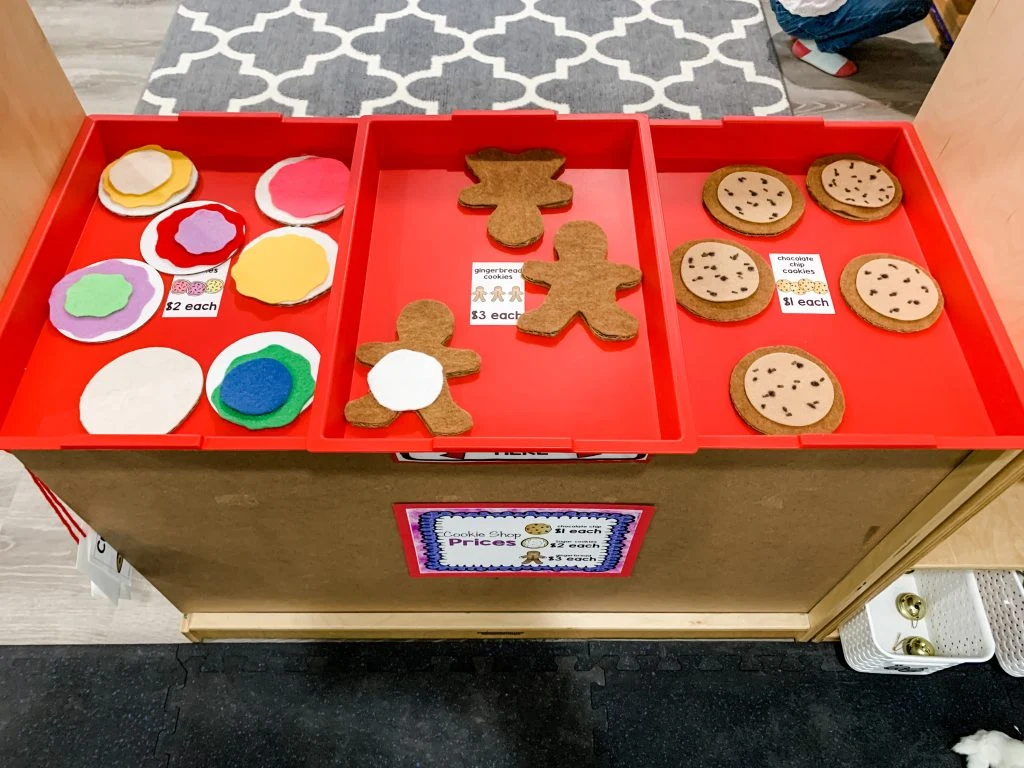
The best part is that math in dramatic play does not feel like a lesson. It feels like part of the game. That makes children more willing to explore numbers, counting, and problem-solving in a fun and meaningful way.
How to Bring Children’s Ideas Into the Dramatic Play Center
Children often enjoy the dramatic play center even more when they help shape it. Their ideas can guide the theme, the props, and even the small details in the space. This makes the center feel more personal and more exciting to use.
One simple way to do this is to listen to what children are already talking about and playing. If they are interested in pets, travel, cooking, or birthdays, those interests can inspire your next theme. You can also ask children what they think the center needs and invite them to help make signs, menus, lists, or decorations.
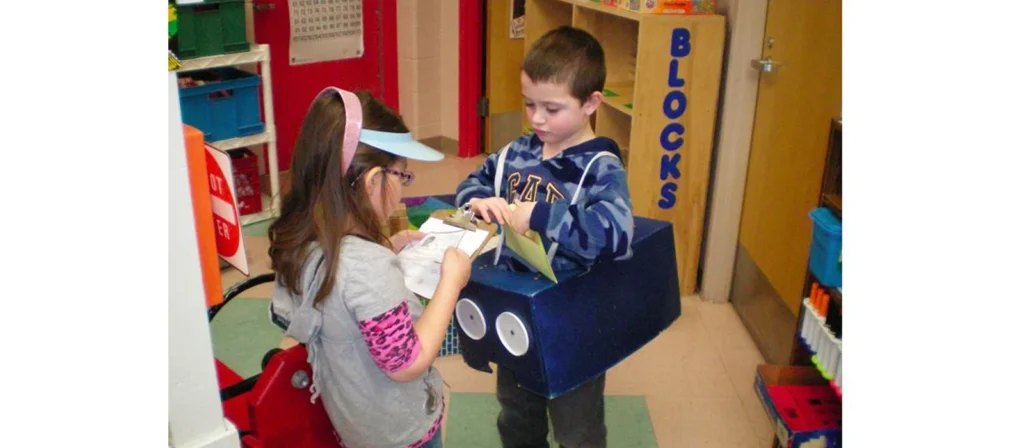
When children see their own ideas in the space, they are more likely to stay engaged and use the center in creative ways. It also gives them a sense of ownership, which can lead to richer play and stronger classroom connections.
Smart Budgeting for Your Dramatic Play Center
Creating a dramatic play center doesn’t have to be expensive. At Top Montessoris, we recommend starting with a few essential items and gradually adding more as your themes evolve and your students’ interests grow. A simple, well-chosen setup can be just as effective as a larger collection of materials.
Look for props that can be used in multiple themes. For example, play kitchens, dress-up clothes, and pretend food can easily fit into various setups, like a restaurant, a home kitchen, or a grocery store. Open-ended materials help maximize your investment while providing flexibility.
With a little planning, you can build a functional and engaging dramatic play center that fits within your budget. Check out the thoughtfully designed materials available at Top Montessoris to get started!
Final Thoughts
A dramatic play center can become one of the most meaningful areas in your preschool classroom. With thoughtful planning, a good theme, simple materials, and a child-friendly layout, this space can support language, social skills, creativity, and real-life learning every day.
The best dramatic play centers do not need to be large or expensive. They work well because they are purposeful, inviting, and connected to children’s interests. When children can explore familiar roles, use engaging props, and bring their own ideas into the space, pretend play becomes deeper and more meaningful.
As you build or update your dramatic play center, keep it simple and flexible. Start with what you have, watch how children use the space, and make small changes over time. A well-loved dramatic play center often grows naturally with your classroom and becomes a place where learning feels joyful and real.





 ES
ES  EN
EN  AR
AR  FR
FR  IT
IT  DE
DE  TH
TH  JA
JA  TR
TR