A light table brings a little magic to any preschool classroom. Even simple materials seem to glow, catching children’s attention and inviting them to explore. Light table activities for preschool turn everyday items into hands-on experiences where children can sort, build, trace, and create while they play.
In this post, you’ll find a wide range of light table activities for preschool, from simple open-ended play ideas to more focused math, literacy, and seasonal setups. Whether you need something quick to set up or new ideas to rotate into your classroom, there are plenty of easy options to try.
Why Light Table Activities Work So Well in Preschool
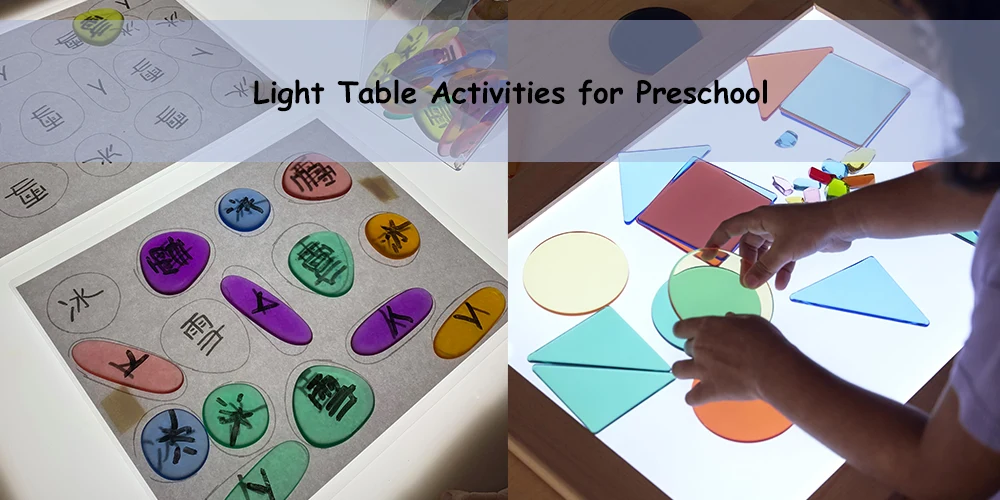
Light table activities work especially well in preschool because they combine play, movement, and visual learning in one space. The light immediately catches children’s attention, which helps them stay engaged longer than they often do with standard tabletop materials.
They also support the way preschoolers learn best: by touching, testing, comparing, and exploring. Instead of only listening to instructions, children can actively sort objects, build designs, trace shapes, notice colors, and experiment with different materials.
Another reason light table activities for preschool are so effective is their flexibility. One setup can support math, literacy, science, sensory play, and creativity, making the light table a practical tool for both teachers and parents.
Engaging Light Table Activities for Preschool
The best light table activities for preschool are simple to set up, visually interesting, and open enough for children to explore in different ways. Some activities support fine motor development, while others build early math, science, literacy, or creative thinking skills. In this section, you’ll find a variety of light table activities for preschool grouped by type, making it easier to choose ideas that match your classroom goals, materials, and the interests of your children.
Open-Ended Light Table Play
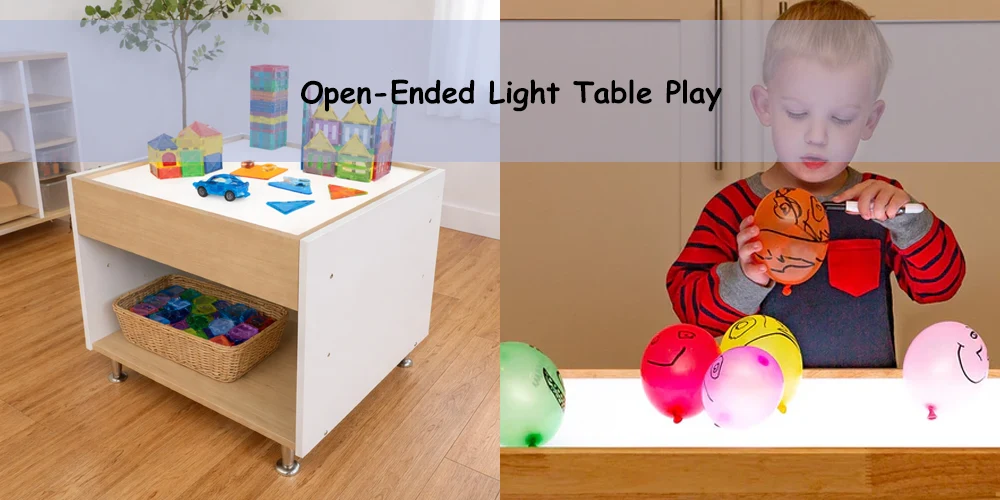
Open-ended light table play gives preschoolers the freedom to explore materials without one fixed outcome. Instead of following strict instructions, children can move pieces, test ideas, create patterns, and invent their own play. This kind of activity supports curiosity, independence, problem-solving, and creative thinking, which is why it works so well in preschool.
1. Loose Parts Exploration
Set out translucent counters, acrylic gems, clear shapes, and colorful buttons on the light table and let children explore them freely. They can line pieces up, stack them, sort them, or make their own simple designs. Because there is no set outcome, children usually stay engaged longer and come up with different ways to use the same materials.
Materials: translucent counters, acrylic shapes, colored buttons
2. Magnetic Tile Free Building
Place a basket of magnetic tiles on the light table and invite children to build anything they want. Some may make towers or houses, while others create patterns, roads, or simple shapes. The light underneath makes the colors stand out, which adds interest and keeps the activity open for creative play.
Materials: magnetic tiles
3. Nature Loose Parts Play
Add feathers, shells, seed pods, translucent stones, and other safe natural materials to the light table for children to explore. They can sort the pieces, arrange them into designs, or compare textures and shapes as they play. This is an easy setup that brings a nature theme into the classroom without needing a lot of prep.
Materials: feathers, shells, seed pods, small twigs
4. Transparent Structure Building
Provide clear or colored blocks on the light table and encourage children to build tall towers, long lines, or simple structures. As they stack and adjust the blocks, they begin to notice what helps a structure stay balanced and what makes it fall. The light table also helps children see the shapes and colors more clearly as they build.
Materials: clear plastic blocks
5. Light Reflection Exploration
Place small mirrors, foil pieces, and a few translucent objects on the light table for children to move around and explore. They can tilt the materials, layer them, and watch how the light changes across different surfaces. This activity works well when you want something simple, quiet, and visually interesting.
Materials: small mirrors, foil sheets, reflective discs
6. Animal Small World Play
Set out a few toy animals, transparent stones, blue sheets, green acetate, and other loose parts to create a small world scene on the light table. Children can build habitats, move the animals around, and make up their own stories as they play. This setup is easy to change with different themes, so it works well for repeated classroom use.
Materials: toy animals, blue cellophane, green acetate, small props
Fine Motor Light Table Activities
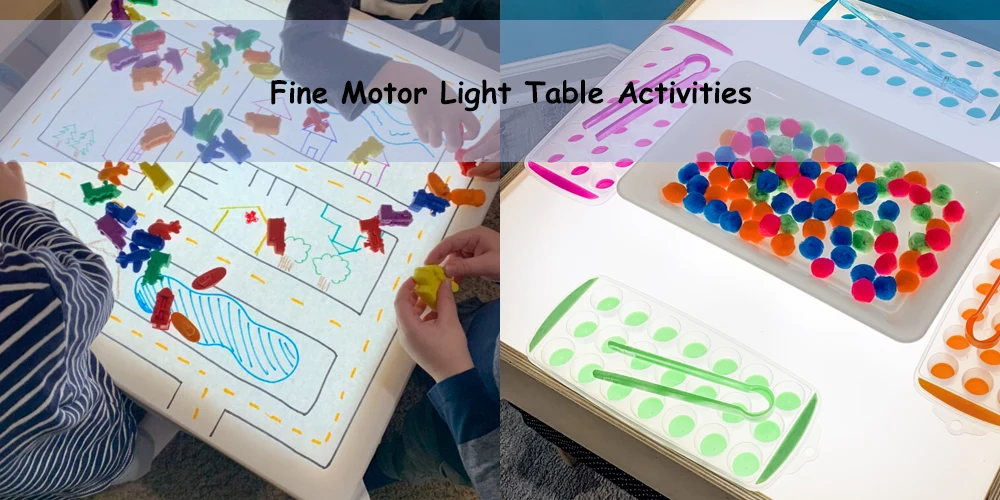
Fine motor light table activities help preschoolers strengthen the small muscles in their hands and fingers through playful practice. These activities support skills children need for everyday tasks like gripping, pinching, placing, tracing, and controlling tools, while the glowing surface keeps the experience engaging and fun.
7. Tweezers and Acrylic Gem Transfer
Place small objects on the light table and invite children to move them from one spot to another using tweezers. They may transfer items into cups, trays, or simple outlines while focusing on careful hand movements. This activity keeps children engaged while building control and coordination.
Materials: tweezers, acrylic gems, small trays
8. Clothespin Color Matching
Set out colored cards or transparent color circles on the light table and give children matching clothespins. They clip each clothespin onto the correct color, adjusting their grip as they go. The simple action of squeezing and placing helps strengthen finger muscles.
Materials: clothespins, colored cards
9. Pom-Pom Pick Up Practice
Place pom-poms and a few clear containers on the light table for children to work with. They use tongs to pick up each pom-pom and drop it into a container, focusing on control and placement. Many children enjoy repeating this activity as they get more confident using the tool.
Materials: pom-poms, tongs, clear cups
10. Lacing Shapes on the Light Table
Provide lacing cards or punched translucent shapes along with a piece of yarn. Children thread the string through each hole, pulling it through and continuing the pattern across the shape. This activity encourages steady movement and keeps children focused for longer periods.
Materials: lacing cards, yarn
11. Sticker Peel and Place
Place a sheet of clear contact paper or acetate on the light table and offer a set of translucent stickers. Children peel each sticker and place it onto the surface to create simple designs or fill in shapes. The peeling motion and careful placement both support fine motor control.
Materials: translucent stickers, contact paper
12. Pre-Writing Line Tracing
Tape simple paths like straight lines, curves, or zigzags onto the light table for children to follow. They trace along each path with their finger, moving slowly to stay on track from start to finish. This kind of repeated motion helps build the control needed for early writing.
Materials: tape, printed line paths
Early Math Light Table Activities
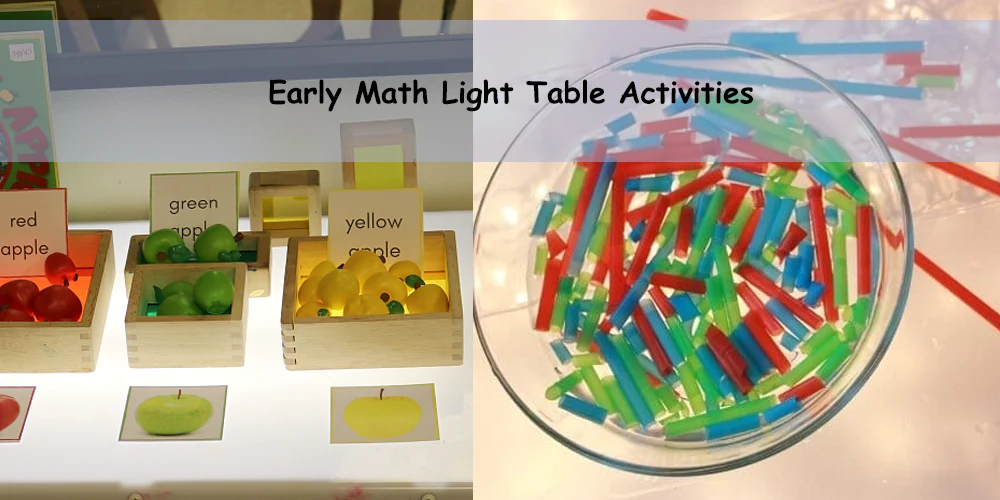
Early math light table activities help preschoolers build foundational skills like counting, sorting, comparing, and recognizing patterns. The bright surface makes numbers, shapes, and colors easier to see, which supports hands-on learning and keeps children engaged while practicing early math concepts.
13. Counting with Translucent Counters
Place number cards on the light table with a small pile of translucent counters nearby. Children count out the correct number for each card and place the counters underneath as they go. This activity gives them a simple way to connect number symbols with actual quantities.
Materials: number cards, translucent counters
14. Color Sorting Activity
Set out a few colored bowls, trays, or paper circles on the light table along with a mixed group of small objects. Children sort each item by color and place it in the matching spot. The glowing surface makes the colors stand out and helps the sorting feel more inviting.
Materials: colored bowls, translucent objects
15. Shape Pattern Lines
Arrange a few shapes or tiles in a simple pattern on the light table and leave space for children to continue it. They look closely at the order, then add the next pieces to match the sequence. This is an easy way to bring pattern practice into center time without a lot of setup.
Materials: pattern cards, colored tiles
16. Number Formation Practice
Place number outlines on the light table and offer small objects for children to place along each shape. They follow the lines to build each number, which keeps their hands busy while helping them notice what each numeral looks like. It works well for children who learn best when they can move pieces instead of only tracing with a finger.
Materials: number outline cards, glass pebbles
17. Shape Matching Activity
Set out a group of translucent shapes with matching outline cards on the light table. Children look for the right match and place each shape on top of its outline. This simple activity helps them notice corners, sides, and differences between familiar shapes.
Materials: acrylic shapes, shape outline mats
18. Size Sorting and Comparing
Place objects in three or more sizes on the light table and invite children to put them in order from smallest to largest. They can compare each piece as they build a size line across the table. This activity is easy to reuse with different materials throughout the year.
Materials: nesting circles, size-sorting pieces
Science Exploration Light Table Activities
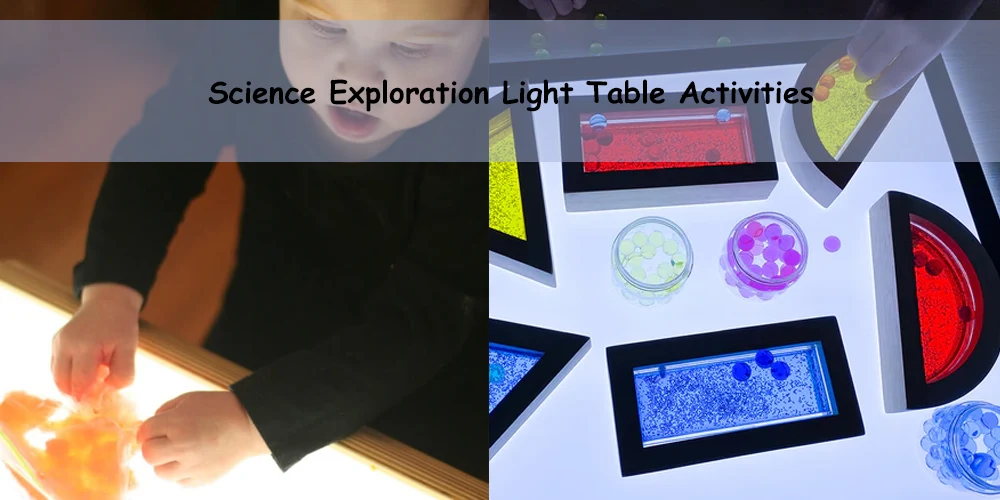
Science exploration light table activities allow preschoolers to observe, experiment, and discover how light interacts with different materials. These activities encourage curiosity and simple scientific thinking as children explore color, transparency, shadows, and cause-and-effect in a hands-on way.
19. Color Mixing with Transparent Sheets
Place a few transparent color sheets on the light table and invite children to overlap them in different ways. As they move and stack the colors, they notice how new colors appear and change. This activity often leads to simple experimentation as children try different combinations.
Materials: transparent color sheets, color paddles
20. Shadow Exploration Activity
Set out a variety of solid objects on the light table and let children explore the shadows they create. They can move the objects closer or farther apart to see how the shapes change. This simple setup encourages children to notice how light and objects interact.
Materials: wooden blocks, small toys
21. Sink or Float Investigation
Place a shallow clear container of water on the light table and add a small selection of objects. Children drop each item into the water to see what sinks and what floats. They often begin to predict outcomes as they test different materials.
Materials: clear bin, water, small test objects
22. Exploring Transparent vs Opaque Objects
Provide a mix of items that vary in how much light passes through them. Children place each object on the light table and compare how bright or dark it looks. This activity helps them notice differences without needing formal explanations.
Materials: clear plastic pieces, frosted items, solid blocks
23. Magnifying Glass Observation
Add magnifying glasses and a few interesting items to the light table for children to examine. They look closely at textures, edges, and small details that are not easy to see at first glance. Many children spend extra time exploring when they can zoom in on what they see.
Materials: magnifying glasses, leaves, small shells
24. Ice and Light Exploration
Place small pieces of ice directly on the light table and let children observe what happens over time. They can touch the ice, watch it melt, and notice how the light changes as the water spreads. This activity naturally invites quiet observation and curiosity.
Materials: ice cubes, tray
Literacy-Based Light Table Activities
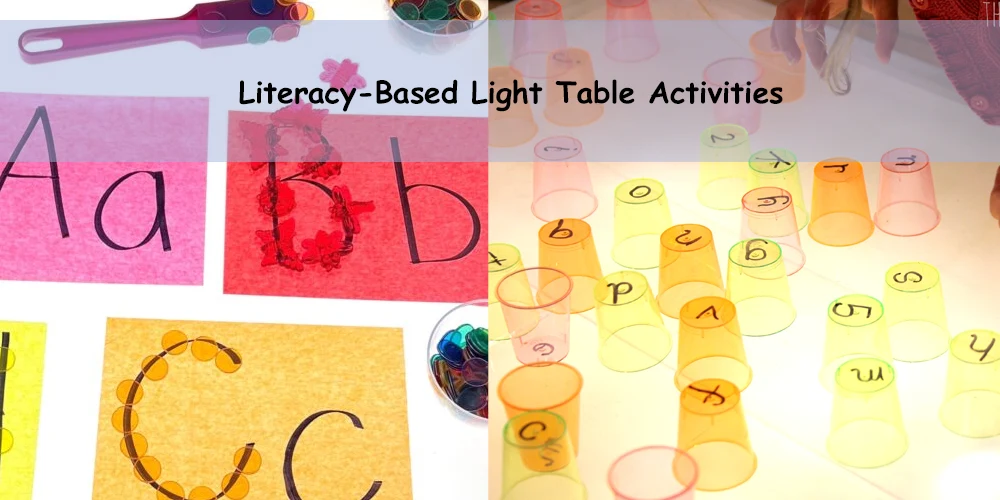
Literacy-based light table activities help preschoolers build early reading and writing skills in a playful, hands-on way. The glowing surface makes letters and words more visually engaging, which can support letter recognition, name building, and early writing practice without feeling like formal instruction.
25. Letter Matching Activity
Place uppercase and lowercase letters on the light table and invite children to find matching pairs. They look closely at each letter shape and place them together as they work. This activity is simple to set up and works well during small group or center time.
Materials: uppercase letter cards, lowercase letter cards
26. Name Building with Letters
Set out a small set of letters along with a name card for each child. Children use the letters to build their own name on the light table, checking the card as they go. Many children enjoy repeating this activity as they become more familiar with their name.
Materials: name cards, alphabet tiles
27. Tracing Letters with Fingers
Place letter cards on the light table and invite children to trace each one with their finger. They move slowly along the lines, following the shape from start to finish. The light underneath helps them clearly see the letter as they trace.
Materials: letter tracing cards
28. Sight Word Building
Set out a few short word cards and a small group of loose letters on the light table. Children look at each word and try to rebuild it using the matching letters. This activity works well with simple, familiar words.
Materials: sight word cards, loose letters
29. Alphabet Sorting Activity
Place a mix of letters on the light table and invite children to group them in different ways. They might separate vowels and consonants or group letters by shape. This activity gives children a chance to look closely at how letters are similar and different.
Materials: mixed alphabet letters
30. Picture and Word Matching
Set out picture cards along with simple word labels on the light table. Children look at each picture and find the matching word to place underneath it. This activity connects images with printed words in a clear and simple way.
Materials: picture cards, word labels
Creative Art Light Table Activities
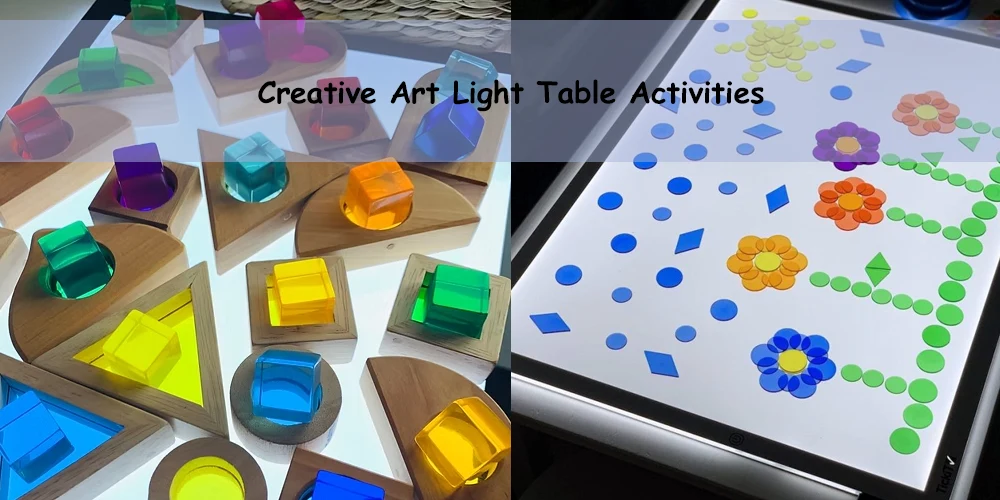
Creative art light table activities give preschoolers a chance to express ideas, experiment with colors, and create unique designs. The light enhances colors and shapes, making even simple materials feel exciting and visually rich. These activities focus more on creativity and expression rather than right or wrong answers.
31. Color Layering Art
Set out a few translucent color pieces on the light table and let children layer them to create new colors and designs. They move the pieces around, overlap them, and explore how the colors change. Many children enjoy experimenting to see what new combinations they can make.
Materials: translucent color shapes, tissue squares
32. Mandala Design with Loose Parts
Place a simple circle outline on the light table along with small loose parts for children to arrange. They can build patterns that move around the circle or create their own symmetrical designs. This activity often keeps children focused as they adjust and refine their layout.
Materials: round templates, small buttons, flat beads
33. Stained Glass Collage
Lay a sheet of clear contact paper on the light table and invite children to place colorful pieces onto it. As they build their design, the light shines through and makes the colors stand out. The finished piece looks like a glowing window when held up.
Materials: contact paper, cellophane pieces
34. Shape Picture Creations
Provide a set of geometric shapes on the light table and encourage children to create pictures. They might build houses, animals, or simple scenes using the shapes in different ways. This activity gives them a chance to turn basic shapes into something meaningful.
Materials: geometric shapes, foam cutouts
Spring Light Table Activities for Preschool
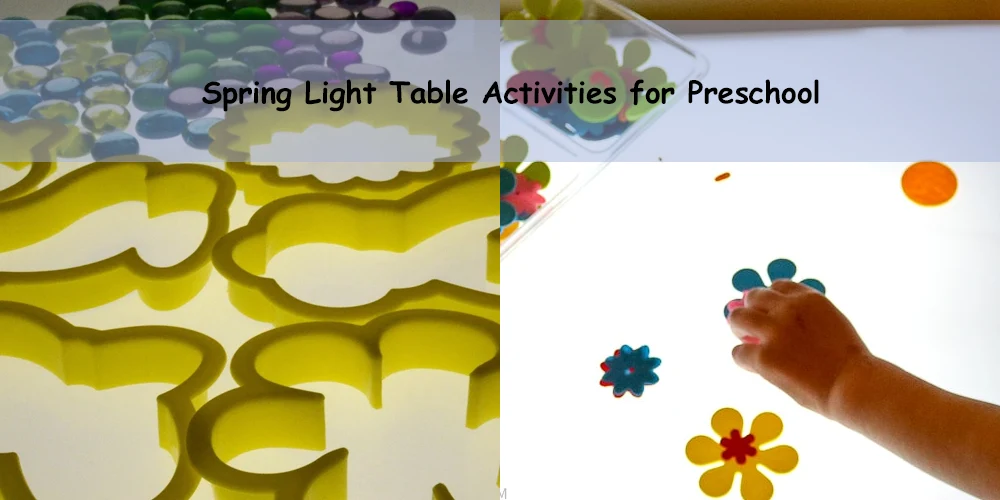
Spring light table activities for preschool bring in themes like flowers, insects, growth, and bright colors. These activities help children connect learning with the changing season while keeping the experience playful and engaging.
35. Flower Petal Arranging
Place a mix of real or artificial flower petals on the light table and invite children to create their own flower designs. They can layer petals, build simple shapes, or arrange colors in different ways. This activity feels calm and works well as a quiet spring center.
Materials: flower petals, faux leaves
36. Butterfly Symmetry Art
Set out a butterfly outline on the light table with small colorful pieces nearby. Children decorate one side and then try to match the other side to create a balanced design. They often adjust their work as they notice differences between the two sides.
Materials: butterfly templates, tissue pieces
37. Bug Sorting Activity
Place a small collection of toy bugs on the light table and let children explore them freely. They may group them, line them up, or create simple bug scenes as they play. This activity works well during insect or garden themes.
Materials: plastic bugs, sorting circles
Summer Light Table Activities for Preschool
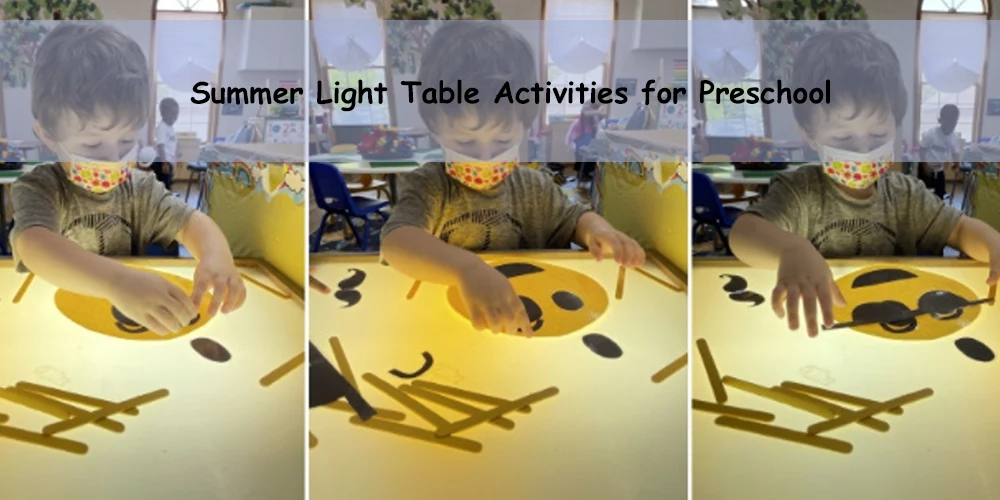
Summer light table activities for preschool often focus on themes like water, sunshine, ocean life, and bright colors. These activities feel playful and relaxed while still supporting exploration, sorting, and creativity.
38. Ocean Animal Play Scene
Add a blue layer to the light table and place shells and ocean animal toys nearby. Children can create their own ocean scenes and move the animals through the water. This setup encourages storytelling and open-ended play.
Materials: blue cellophane, shells, ocean animals
39. Ice Melt Exploration
Place a few colored ice cubes on the light table and let children watch what happens as they melt. They can move the ice around and see how the colors spread across the surface. Many children enjoy checking back to see the changes over time.
Materials: colored ice cubes, tray
40. Sun Pattern Creations
Offer yellow and orange shapes on the light table and invite children to create suns or bright designs. They can arrange the pieces into circles, rays, or repeating patterns. This is a simple way to bring a summer theme into the art area.
Materials: yellow shapes, orange tiles
Fall Light Table Activities for Preschool
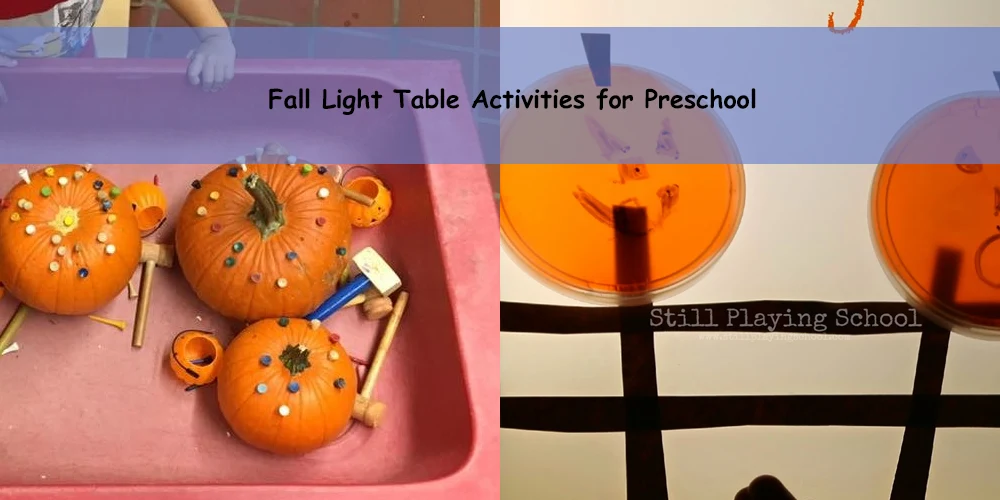
Fall light table activities for preschool introduce warm colors, leaves, and seasonal changes. These activities help children explore nature-inspired materials while practicing sorting, patterning, and creative design.
41. Leaf Sorting and Matching
Set out a collection of fall leaves on the light table for children to explore. They can sort them, line them up, or create simple designs using different shapes and colors. This activity works well during seasonal transitions.
Materials: fall leaves, leaf cutouts
42. Pumpkin Seed Counting
Place number cards on the light table and provide small seeds for counting. Children place the correct number of seeds under each card as they work. This is an easy way to connect a fall theme with math practice.
Materials: pumpkin seeds, number cards
43. Fall Color Patterning
Offer red, orange, and yellow materials for children to create their own fall-inspired designs. They can arrange the pieces into pictures or simple patterns across the light table. The warm colors help set a seasonal tone.
Materials: red acetate, orange paper, yellow shapes
Winter Light Table Activities for Preschool
Winter light table activities for preschool focus on cool colors, snow themes, and simple seasonal changes. These activities create a calm and engaging atmosphere while still supporting exploration, creativity, and early learning skills.
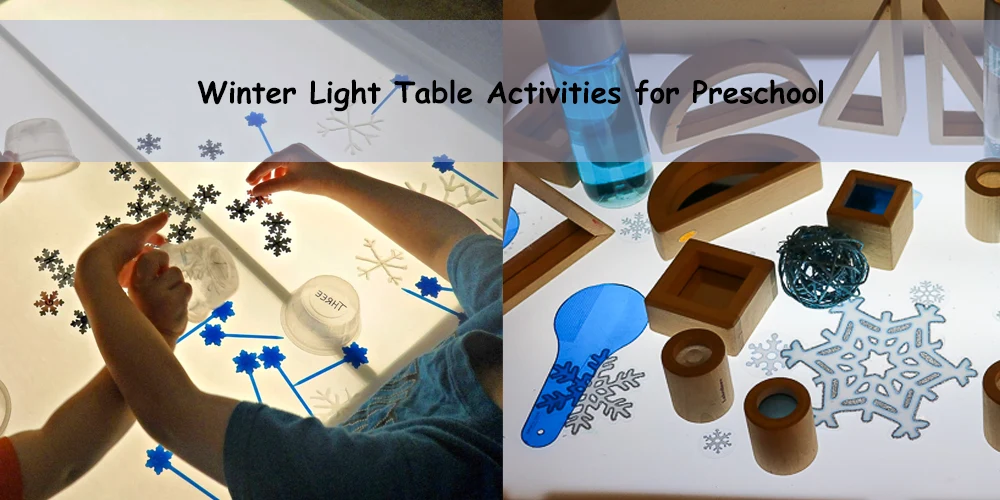
44. Snowflake Design Creations
Place white and blue pieces on the light table and invite children to build snowflake designs. They can experiment with spacing and balance as they create different shapes. This activity often becomes a quiet, focused center.
Materials: white craft sticks, blue gems
45. Ice Block Building Play
Provide clear blocks for children to stack and build simple structures. They can experiment with height and balance as they create their own “ice” towers. The light table makes the blocks look bright and icy.
Materials: clear blocks
46. Winter Animal Sorting
Set out a few winter animal figures along with simple background pieces. Children can create small habitats and move the animals through the scene as they play. This works well alongside winter or Arctic themes.
Materials: polar animal toys, cotton, blue mat
Tips for Using Light Table Activities for Preschool
Keep Materials Simple
You do not need a large number of materials for light table activities to work well. A small selection of clear, colorful, or textured items is often enough to get children started. Keeping the setup simple also makes it easier for children to focus and explore without feeling overwhelmed.
Rotate Materials Regularly
Changing the materials on the light table helps keep children interested over time. Even small changes can make familiar activities feel new again. Rotating items every week or based on your classroom theme can keep engagement high.
Connect Activities to Themes
Light table activities work especially well when they match what children are already learning. You can link them to seasonal themes, classroom topics, or current interests. This makes the activities feel more meaningful and easier for children to connect with.
Balance Play and Learning
Some light table activities can be open-ended, while others can focus on specific skills like counting or letter recognition. Using a mix of both helps support different learning styles. This balance also keeps the light table from feeling too structured or too unstructured.
Best Light Tables for Preschool Activities
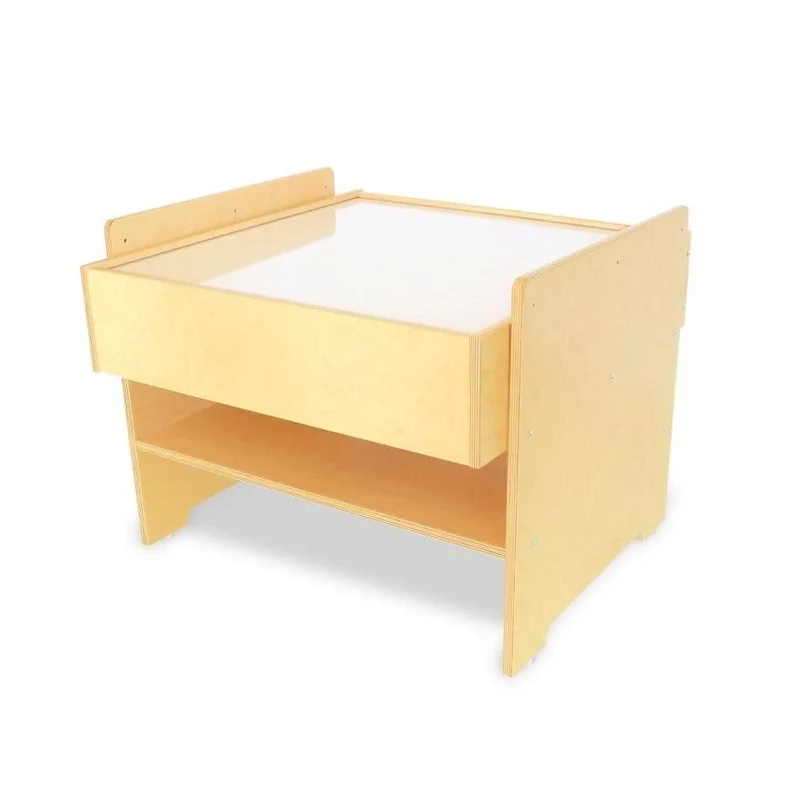
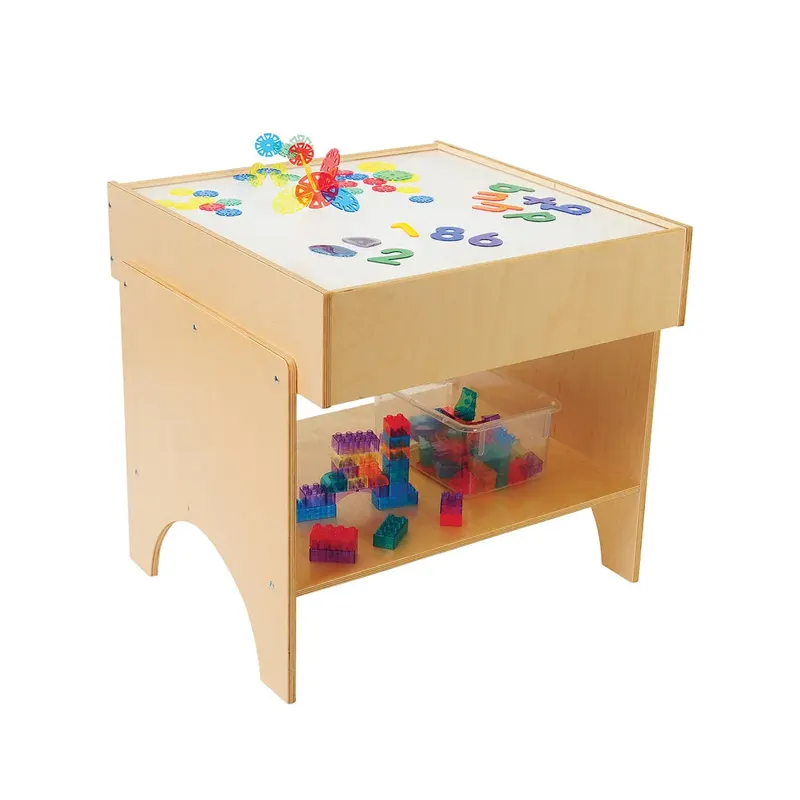
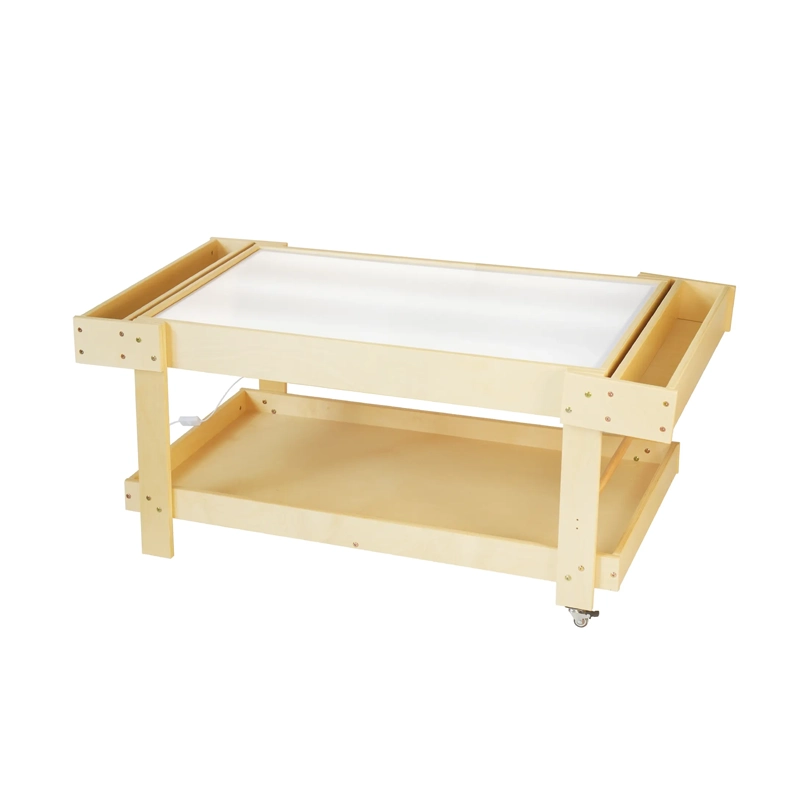
If you’re planning to try some of these light table activities for preschool, having a reliable light table can make everything much easier. A good light table gives you a bright, even surface that helps materials stand out and keeps children more engaged during play.
The options below are simple to set up, easy to use, and work well with the kinds of activities shared in this post. Whether you need something small for a learning corner or a larger table for group use, these light tables can help you create a more inviting and flexible activity space.
Common Questions About Light Table Activities for Preschool
What materials can you use for light table activities?
Transparent counters, acrylic gems, magnetic tiles, colored sheets, letter pieces, shape manipulatives, natural materials, and small toys all work well on a light table.
Are light table activities good for preschool learning?
Yes. Light table activities for preschool can support fine motor development, sensory exploration, early math, science discovery, literacy practice, and creative thinking.
How often should you change light table activities?
That depends on your classroom routine and children’s interests, but many teachers rotate materials weekly or whenever children begin to lose interest.
Conclusión
Light table activities for preschool make early learning more hands-on, visual, and engaging. From open-ended play to math, science, literacy, and seasonal exploration, a light table can support many different learning goals in one simple space.
The best part is that these activities do not need to be complicated. With a few thoughtful materials and a clear purpose, you can create meaningful preschool experiences that children enjoy returning to again and again.





 ES
ES  EN
EN  AR
AR  FR
FR  IT
IT  DE
DE  TH
TH  JA
JA  TR
TR