Have you ever noticed your child suddenly refusing to go to preschool, crying excessively, or clinging to you without clear reasons? These behaviors might seem like typical toddler tantrums, but they could be anxiety in children in disguise. When left unnoticed, these symptoms can affect not only their emotional well-being but also their social development and learning readiness.
Now imagine recognizing this anxiety in children early—spotting the signs before they escalate. When addressed correctly, anxious behaviors can be reduced, and children can regain their sense of security, confidence, and curiosity in the classroom. With the right strategies, you can support their emotional health without relying on clinical intervention.
In this article, I’ll walk you through the most common anxiety in children, what they look like in real life, and how we as educators and parents can respond effectively. From behavior cues to calming techniques, you’ll learn how to turn concern into confident action.
Definition of Anxiety in Children
Anxiety in children refers to persistent feelings of fear, nervousness, or worry that are intense enough to interfere with a child’s daily life. While it’s normal for young children to experience fear—like being afraid of the dark or feeling nervous before a new school year—clinical anxiety is different. It is more than just occasional worrying. It is a pattern of emotional and physical responses that are excessive, ongoing, and difficult for the child to control.
Unlike adults, children often struggle to express anxiety verbally. Instead, they may show changes in behavior, such as avoiding certain activities, becoming clingy, complaining of stomachaches, or having frequent emotional outbursts. These are not signs of disobedience or bad behavior—they are common ways anxiety in children reveals itself.
It’s important to note that anxiety in children can be both environmental and biological. Factors like family stress, trauma, a highly sensitive temperament, or a family history of anxiety can all contribute. In some cases, the brain’s chemistry and stress response systems may also play a role.
Understanding the definition of anxiety in children is the first step to offering meaningful support. When parents, caregivers, and educators recognize that a child’s anxiety is real—and not something they can just “snap out of”—they’re better equipped to respond with empathy, structure, and appropriate intervention.
Types of Anxiety in Children
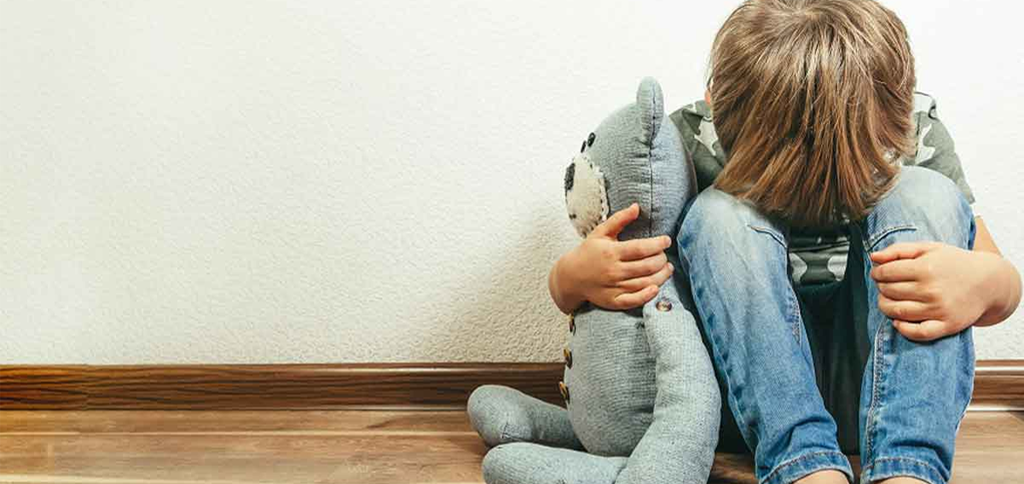
Anxiety can appear in many forms during the preschool years. Some children worry mainly about separation, while others fear social situations or even certain objects. By identifying different anxiety in children, caregivers can better understand what the child is going through and offer tailored support.
- Separation Anxiety Disorder: This is one of the most common anxiety disorders in children. A child may cry intensely when a caregiver leaves, resist attending preschool, or cling during drop-off. While some separation stress is normal, disorder-level symptoms disrupt daily routines and social growth. Establishing consistent goodbyes and routines can reduce this distress.
- Specific Phobias: Some preschoolers develop overwhelming fears of certain things—such as dogs, darkness, or loud noises. These fears, part of anxiety in children under 10, cause avoidance and emotional upset far beyond typical childhood dislikes. Gentle exposure and patient support can help reduce these reactions over time.
- Social Anxiety Disorder: Children with social anxiety often avoid group play or interactions with new people. They may hide behind adults, refuse to speak, or show extreme shyness. This anxiety symptoms in children limits opportunities to learn social skills. Small group activities and encouraging peer connections can build their confidence gradually.
- Generalized Anxiety Disorder: Some children worry constantly about many different things, from safety to school activities. These ongoing anxieties in children often lead to stomachaches, repeated “what if” questions, and difficulty concentrating. A predictable schedule and calm environments can ease this mental load and help children feel secure.
- Panic Disorder: Though less common in preschool years, panic attacks may still appear. Children can experience sudden trembling, rapid breathing, or intense fear without an obvious cause. This anxiety in children is frightening for both the child and the caregiver. Gentle reassurance and seeking professional guidance are important when panic episodes disrupt daily life.
What Causes Anxiety Disorders in Children and Young People?
| Cause | وصف | Relevance to Anxiety Disorders |
|---|---|---|
| Genetics & Family History | Children with parents or close relatives who have anxiety are more likely to develop it themselves. | Inherited traits may increase sensitivity to stress and fear responses. |
| Parenting Style | Overprotective, controlling, or overly critical parenting can reduce a child’s confidence and increase dependency. | Lack of autonomy may prevent emotional resilience, contributing to anxiety. |
| Traumatic Experiences | Events like accidents, natural disasters, loss of a loved one, or abuse can have long-term psychological effects. | Trauma is a leading trigger for anxiety disorders in children and adolescents. |
| Bullying or Peer Pressure | Negative social interactions, rejection, or being bullied at school can severely impact a child’s self-esteem. | Leads to social withdrawal, low self-worth, and fear of judgment. |
| Academic Pressure | Constant pressure to perform, fear of failure, or overly high expectations from adults can create chronic stress. | Long-term stress contributes to generalized anxiety and perfectionism. |
| Environmental Instability | Frequent moving, family conflict, divorce, or poverty can create uncertainty and insecurity in a child’s life. | Unstable environments reduce a child’s sense of safety, increasing anxiety levels. |
| Neurobiological Factors | Imbalances in brain chemicals (like serotonin) or atypical brain activity can affect emotional regulation. | Biological predispositions can make it harder for children to manage fear or stress. |
| Media Exposure | Exposure to frightening news, violent games, or age-inappropriate content can cause fear, confusion, and anxiety. | Overstimulation or misunderstanding of complex issues may heighten fear and uncertainty. |
| Social Isolation | Limited social interaction or screen-dominated lifestyles reduce real-world communication and emotional development. | Increases fear of social situations, contributing to social anxiety disorders. |
| Chronic Health Conditions | Ongoing physical illness or hospitalization can increase vulnerability to emotional stress. | Children may worry excessively about health, safety, or the future. |
What Are the Signs of Anxiety in Children?
Anxiety in children doesn’t always look the way we expect. While adults can often express their worries, children—especially younger ones—communicate their feelings through behaviors, body language, and changes in their daily habits. Below, I’ll explain some of the most common signs of anxiety in children, using simple terms but with deeper insight.
Difficulty Concentrating
Children with anxiety often have trouble focusing. Their minds may be overwhelmed with worries, even if they can’t describe them. In a classroom, they may stare into space, daydream excessively, or jump from one activity to another without finishing tasks. This isn’t just restlessness—it’s mental overload. When a child is preoccupied with “what if” thoughts or internal fears, they simply don’t have enough space left in their minds to concentrate on learning.
Changes in Sleep Patterns
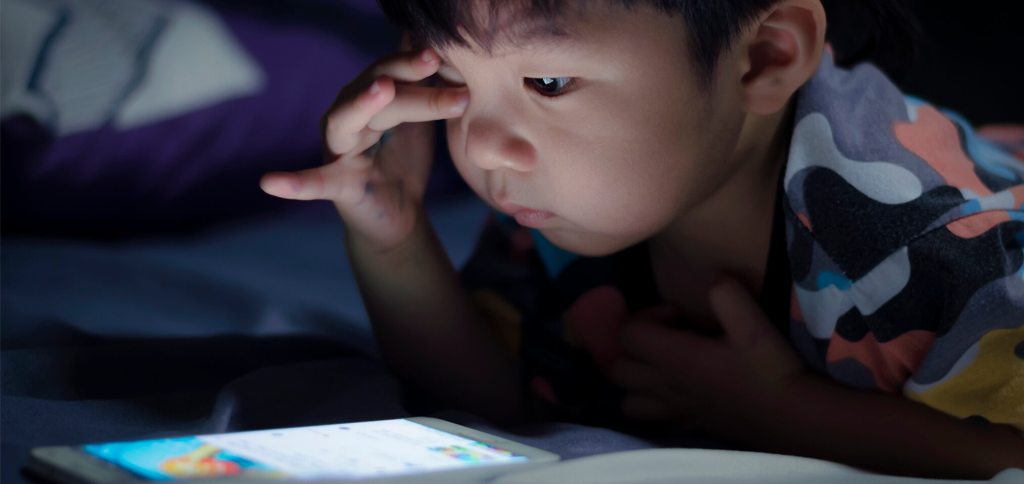
An anxious child may struggle to fall asleep, wake frequently during the night, or resist bedtime altogether. Sometimes this is due to nightmares; other times, it’s because bedtime is the only moment their busy minds are quiet enough for their worries to take center stage. You may hear them say things like, “I can’t stop thinking,” or they might need repeated reassurance that they’re safe. Over time, poor sleep adds to daytime irritability and learning challenges.
Appetite and Eating Difficulties
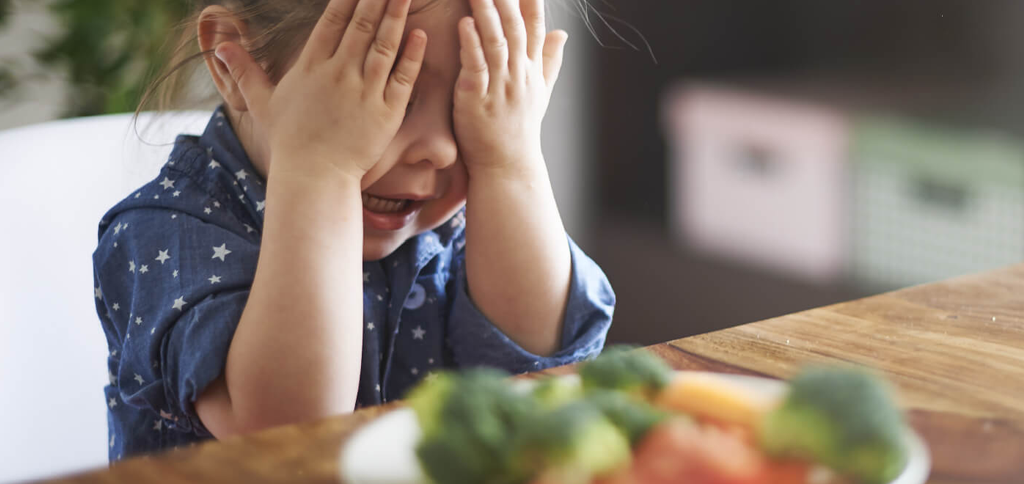
Anxiety can directly affect a child’s appetite. Some children may refuse to eat or say they feel full after just a few bites. Others might complain that certain textures bother them or that they feel nauseous. These aren’t always signs of picky eating or digestive issues—they can be physical manifestations of anxiety. A tense body and mind can affect digestion, and mealtimes can become moments of stress if children associate them with school, social interactions, or fear of being away from home.
Emotional Outbursts and Irritability
It’s not uncommon for anxious children to become frustrated quickly or lash out when overwhelmed. This might look like yelling, hitting, or crying intensely over what seems like a small problem. These outbursts are not always signs of poor discipline; they often come from a child who is under internal pressure and doesn’t know how to release it in healthy ways. Their tolerance for frustration becomes very low, and even minor disruptions can trigger disproportionate responses.
Constant Worry or Negative Thinking
Chronic worrying in children often appears as repetitive questions, exaggerated fears, or unrealistic concerns about future events. You may hear them ask over and over, “What if something bad happens?” or express fear that they’ll fail or get hurt. Some children may also talk negatively about themselves—saying things like, “I’m not good at anything,” or “No one likes me.” These thought patterns can interfere with social confidence and academic motivation, making it difficult for them to fully engage with peers or teachers.
Physical Restlessness or Frequent Bathroom Use
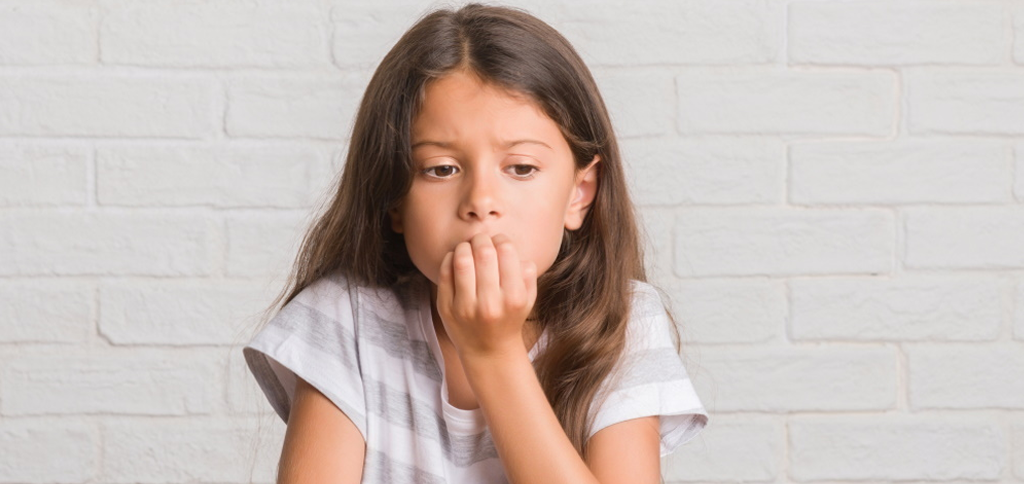
Some children feel anxiety as restlessness in their bodies. They may fidget constantly, bite their nails, pick at their skin, or rock in their chairs. Others may ask to use the bathroom repeatedly, especially in school settings, as a way to escape overwhelming situations. These physical symptoms are genuine signs of stress—even if there’s no medical reason. The body is trying to cope with high alert levels caused by emotional tension, and these behaviors are attempts to find relief or distraction.
Frequent Crying
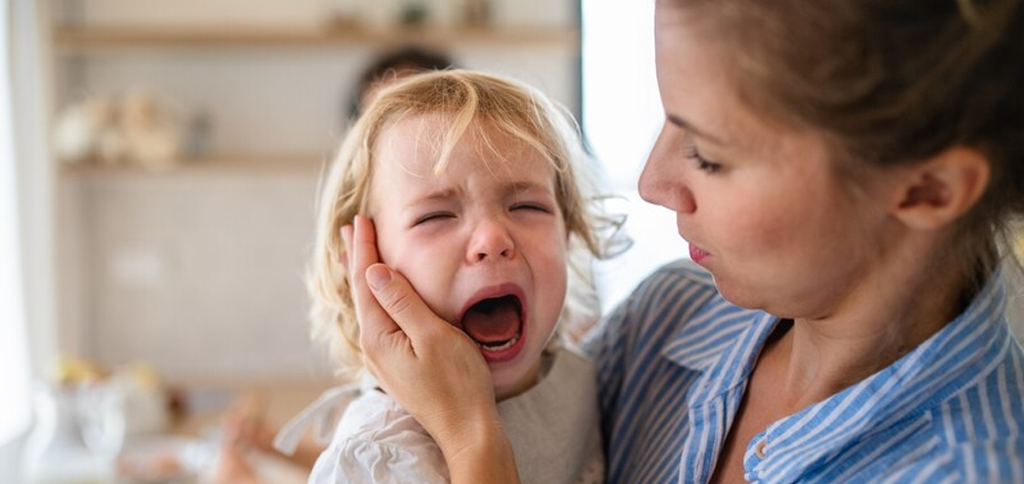
Crying is a natural response to emotional overwhelm in young children. But when a child cries often—especially in non-threatening or familiar environments—it may be a sign they are carrying more internal stress than they can express. They might cry when saying goodbye to a parent, when rules change unexpectedly, or even when they’re praised. These tears aren’t always about the present moment; they can be a release of bottled-up tension or an indicator of deeper emotional needs that haven’t been addressed.
Clinginess
While some attachment to parents or caregivers is normal in early childhood, excessive clinginess beyond the expected developmental window may signal anxiety. Children who constantly seek proximity, ask for reassurance, or show distress when separated—even briefly—are often communicating that they don’t feel secure. This can interfere with their ability to socialize, learn independently, and explore new environments, especially in group settings like preschool or daycare.
Physical Complaints Without Medical Cause
Children with anxiety often report physical symptoms like tummy aches, headaches, or feeling generally unwell—especially before school or social events. These complaints are very real to the child, even if tests show no physical illness. Emotional stress can affect the nervous system, leading to discomfort that’s hard to explain. These symptoms may come and go depending on what the child is facing that day, and they’re a key clue that anxiety might be the underlying cause.

Withdrawal from Activities They Used to Enjoy
If a child no longer wants to participate in favorite activities—like drawing, playing with friends, or attending birthday parties—it could be a sign that anxiety is interfering with their sense of joy and safety. Rather than assuming they’ve “grown out” of a hobby, it’s worth asking if something is making them uncomfortable. Withdrawal is often an attempt to avoid situations that trigger stress, even if the child can’t explain exactly why.
When Should You Worry?
Every child experiences fear or worry from time to time—it’s a natural part of growing up. Being afraid of the dark, feeling nervous before starting school, or clinging to a parent during drop-off are all normal reactions. However, anxiety in children becomes a concern when these fears are intense, long-lasting, and begin to interfere with daily life.
So, when should you worry?
Start by paying attention to patterns. If a child regularly avoids school, refuses to participate in social activities, or complains of physical symptoms like stomachaches with no clear medical cause, these could be warning signs. While occasional nervousness is expected, ongoing distress that lasts for weeks or months may indicate something deeper.
Another red flag is when a child’s anxiety begins to affect their sleep, appetite, learning, or relationships. For example, if a child can’t sleep without a parent nearby, has meltdowns before school every day, or avoids playing with peers due to fear of embarrassment, this might point to a more serious issue. These behaviors are not “just a phase”—they could be signs of anxiety symptoms in children that need support.
You should also take note if your child constantly seeks reassurance. Repeatedly asking questions like, “Will you pick me up on time?” or “What if something bad happens?” reflects a deeper level of worry that’s hard for them to manage on their own. While offering comfort is helpful, excessive reassurance-seeking is often a signal that a child is struggling to regulate their emotions.
If you’re unsure, trust your instincts—and don’t hesitate to consult a pediatrician, teacher, or child psychologist. Early recognition and support are key. The sooner anxiety in children is identified, the easier it is to manage through healthy coping tools, structure, and professional guidance when needed.
How to Help an Anxiety in Children?
Anxiety in children is more common than many people realize. Young kids often don’t have the language to express their fears, so anxiety may show up through behaviors like crying, avoiding school, tummy aches, or trouble sleeping. Fortunately, with the right support, children can learn to manage their anxiety in healthy, age-appropriate ways. Below are simple but effective strategies parents and caregivers can use.
One of the things that can be useful about going to see a professional is focusing on the tools that work best for your unique child.
Dr. Adrienne Anderson, Ph.D.
1. Creating Emotionally Predictable Environments
Young children thrive on stability. For those experiencing anxiety symptoms in children, unpredictability can trigger fear and insecurity. At home, consistent routines—such as set times for meals, bedtime, and school drop-offs—help reduce uncertainty. In classrooms, daily schedules displayed with pictures or charts provide a sense of order. Predictability reassures children that life is safe and manageable, giving them a strong foundation to handle stressful situations.
2. Supporting Emotional Expression and Regulation
Children often cannot verbalize worries, so anxiety may come out as behavior. Encouraging safe ways to express emotions is crucial. Parents can invite children to talk, draw, or role-play their feelings. Teachers can create classroom activities where children name emotions or act them out in games. By validating rather than dismissing feelings, caregivers send the message that emotions are acceptable. This recognition is central to addressing anxiety in children, teaching them that feelings can be shared and managed.

3. Create a Safe Physical and Emotional Space
A calm and inviting environment reduces stress. At home, this may be a quiet corner with soft toys or books where children can retreat when overwhelmed. In school, a similar calm zone helps them reset without punishment. Safety is also emotional: when adults respond gently instead of harshly, children learn that their environment supports rather than threatens them. This dual approach is effective in reducing anxiety symptoms in children.
4. Tailoring Strategies to Social and Emotional Demands
Not every child experiences anxiety the same way. Some may fear social interactions, while others struggle with transitions. Home and school strategies should reflect these differences. For a child anxious about group play, smaller peer interactions may be more comfortable. For one who dreads drop-off, practicing short separations can help. Tailoring approaches respects individual needs and recognizes that anxiety in children has many faces.
5. Responding to Anxiety in the Moment
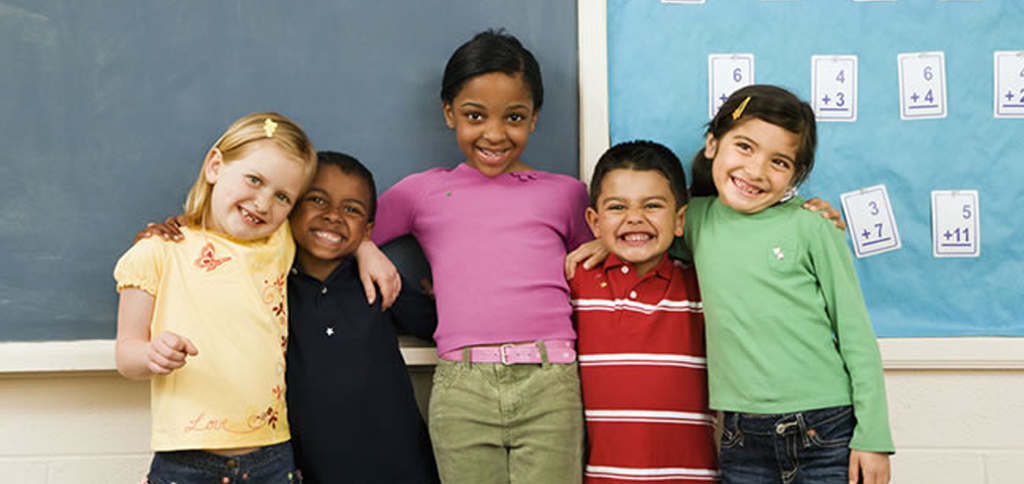
Immediate reactions matter. When a preschooler is anxious, adults should stay calm, use reassuring tones, and avoid escalating the situation. Instead of saying, “There’s nothing to worry about,” try, “I know this feels scary, but I am here with you.” At school, teachers can guide anxious children through breathing exercises or help them focus on a comforting object. These strategies show that adults understand anxiety in children and are prepared to support rather than dismiss their experience.
6. Bridging Home-School Communication
Collaboration between parents and educators ensures consistent responses to anxiety. Parents can share what strategies work at home, while teachers provide insights about behavior in class. This communication prevents mixed messages that can confuse children. For example, if a child is learning to separate from parents gradually, both home and school should use similar routines. Unified approaches make anxiety in children easier to manage and build confidence through consistency.
7. Balancing Support and Independence
Children need reassurance but also opportunities to practice independence. Too much protection can unintentionally reinforce anxiety by signaling that the world is unsafe. Parents and teachers can gradually encourage independence, such as allowing a child to put away their own toys or say hello to a peer. These small steps show children they are capable, which weakens the hold of anxiety in children.
8. Modeling and Teaching Emotional Literacy
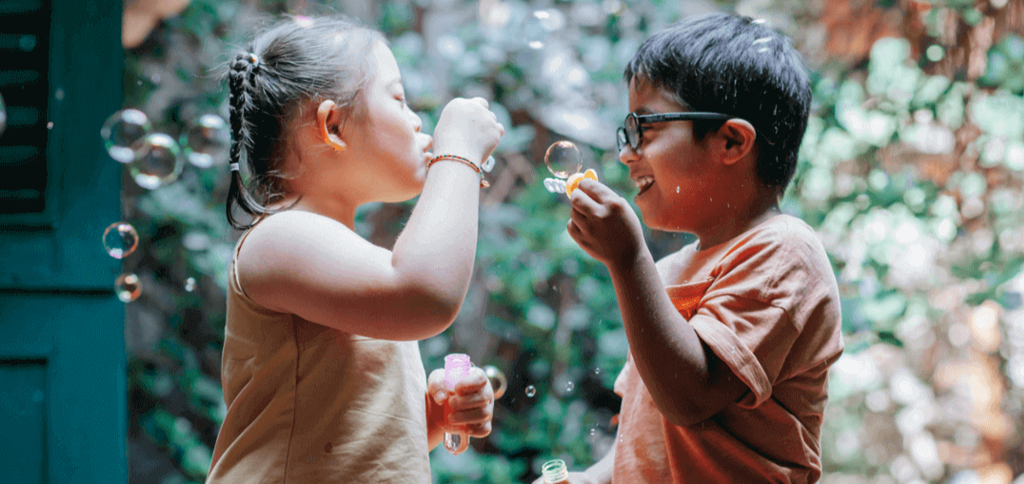
When adults talk openly about feelings, children learn that emotions are natural. Using everyday moments, parents can name emotions: “I feel frustrated when traffic is slow, but I take a deep breath to stay calm.” Teachers can integrate emotion cards, books, or songs into lessons. By teaching emotional literacy, caregivers equip children to recognize and manage their own worries. This foundation directly supports children dealing with anxiety symptoms in children.
9. Encouraging Small Social Steps
Social fear is a common feature of preschool anxiety. Forcing full participation in group activities may backfire, increasing distress. Instead, start with small, achievable goals. At home, parents can arrange short playdates with one or two peers. At school, teachers might invite the child to observe before participating. Gradual exposure helps reduce avoidance and strengthens coping skills, reducing the impact of anxiety in children on social development.
10. Use Storytelling and Play for Processing Emotions
Play is a child’s natural language. Through storytelling, puppets, or role-play, children process fears in a safe and creative way. For example, a story about a nervous bunny who finds courage can mirror a child’s own experiences. Teachers can use guided play activities to help children rehearse coping strategies. Storytelling and play normalize anxiety, showing children that others experience similar feelings. This playful approach is a gentle way to address anxiety in children.
11. Model Calm Coping Skills
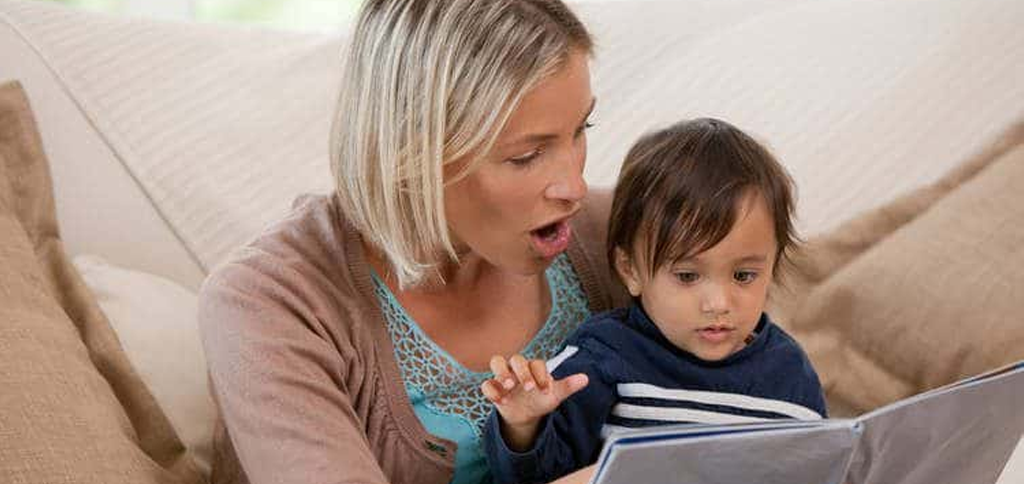
Children learn by watching adults. If parents and teachers handle stress with calm breathing, problem-solving, or positive self-talk, children are more likely to imitate these strategies. By modeling healthy responses, adults show that challenges can be managed effectively. This role modeling is essential because children with anxiety in children often lack coping tools and look to trusted adults for guidance.
12. Avoid Over-Accommodation
While it is important to support anxious children, constantly removing challenges can make anxiety worse. For example, if a child refuses to join circle time and is always excused, they may never learn that the activity is safe. Instead, adults should gently encourage participation while providing reassurance. Over-accommodation communicates that fears are valid, reinforcing avoidance. Finding the balance between comfort and gentle challenge is crucial in reducing long-term anxiety in children.
Activities to Help Relieve Anxiety in Children
Anxiety in children is increasingly recognized as a common issue in early development. Occasional fear is natural, but when worry becomes persistent, it can interfere with sleep, learning, friendships, and everyday life. Parents and educators often ask what practical activities can help children cope. While professional guidance may be needed in some cases, daily routines and structured activities at home and school can provide comfort, reduce stress, and build long-term resilience. Below are several approaches that combine play, creativity, and gentle structure to relieve anxiety while nurturing emotional growth.
Use Movement and Relaxation to Release Stress
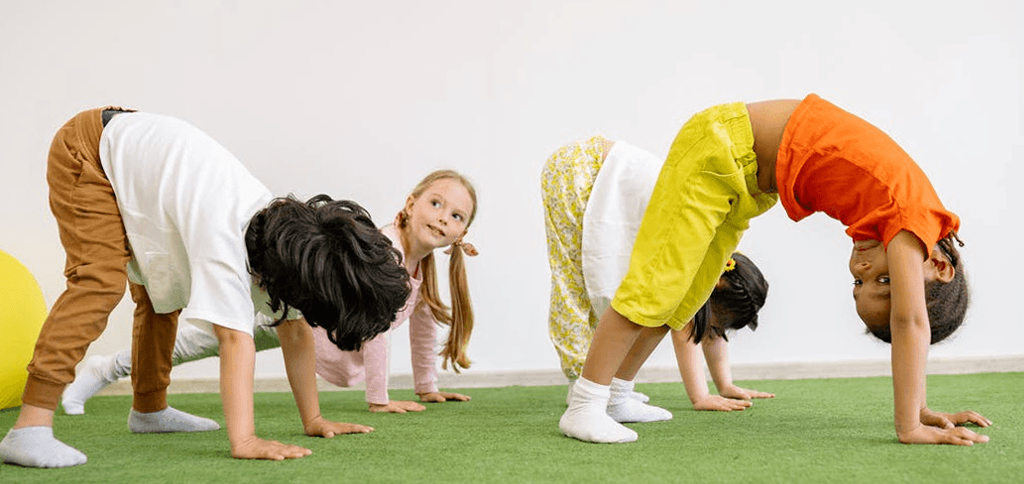
Children carry emotional tension in their bodies, often without realizing it. Physical activities not only release that tension but also help reset the nervous system. Instead of trying to talk a child out of anxiety, first give them a way to move through it.
Some helpful movement-based activities include:
- Animal walks: Let children pretend to move like different animals—bear crawls, frog hops, or bird flaps.
- Stretching or yoga: Simple poses like “child’s pose” or “tree pose” promote calmness.
- Jumping games: Use a mini trampoline or hopscotch to help children burn off nervous energy.
- Breathing with movement: Combine slow arm movements with deep breathing for self-regulation.
These strategies help the child connect physical calm with emotional calm—an essential link when addressing anxiety symptoms in children.
Encourage Emotional Expression Through Creativity
Sometimes, anxiety is trapped in a child’s mind with no clear outlet. Creative expression provides a safe and non-verbal way for children to process what they feel.
Try offering:
- Drawing or painting their feelings (even if abstract)
- Playdough modeling (to show what “worry” might look like)
- Puppet play (to act out situations they find stressful)
- Feelings collage (cutting and gluing magazine images that represent emotions)
These activities allow children to explore emotions without pressure, helping adults better understand what might be driving their anxiety.
Use Structured Play to Build Social Confidence
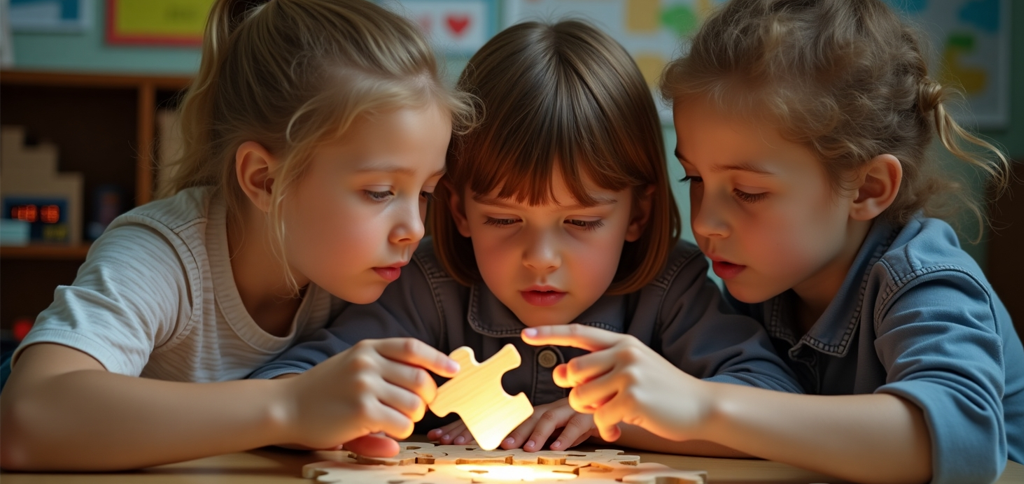
Children with anxiety may shy away from social situations—but the answer is not to avoid interaction altogether. Instead, guided play can help them engage socially at their own pace.
Start with:
- One-on-one playdates with familiar peers
- Turn-taking games that don’t require complex language
- Building tasks (like LEGO or blocks) where children can work side-by-side
Gradually, you can introduce small group play. What’s important is that children feel in control of their pace. Structured play boosts confidence, communication, and trust—three key factors in reducing anxiety in children.
Offer Sensory-Based Calming Activities
Sensory input helps regulate emotions by grounding the child in the present. Some children calm through touch, others through sound or visuals. Having a variety of sensory-based options is useful.
Helpful sensory tools and activities:
- Calm jars: Watching glitter slowly settle helps slow down breathing and thoughts.
- Sand or rice bins: Great for quiet, tactile exploration.
- Weighted blankets or lap pads: Offer deep pressure that calms the nervous system.
- Soothing music or white noise: Create a peaceful atmosphere for relaxation.
These tools are especially helpful during transitions, after emotional meltdowns, or as part of a daily calming routine.
Create Consistent Routines and Emotional Safety
Consistency is comforting to anxious children. It reduces uncertainty, which is one of the biggest triggers for anxiety. At home and in the classroom, predictability builds a sense of security.
Here’s what helps:
- Visual schedules: Show what’s coming next with pictures or icons.
- Predictable morning and bedtime routines: Repeated structure reduces anticipatory stress.
- Soft transitions: Give warnings before switching activities (e.g., “Five more minutes of play before cleanup.”)
Pair these routines with emotionally safe responses. Validate the child’s feelings instead of dismissing them. Saying “I understand that you’re feeling nervous. Let’s take a deep breath together,” shows empathy and teaches regulation.
Child-Friendly Tools and Toys to Ease Anxiety in Children
Anxiety in children can affect emotional development, concentration, sleep, and social interaction. While professional help may sometimes be needed, the right tools and toys can play a key role in helping young children feel safe, calm, and in control. In preschool environments, child-friendly furniture and educational toys that promote sensory comfort, emotional safety, and self-expression are powerful allies in managing anxiety. Below is a list of recommended preschool items—both furniture and toys—designed to relieve anxiety through comfort, stimulation, and emotional engagement. Each product is chosen based on its effectiveness in reducing tension, promoting self-regulation, and creating emotionally secure spaces for young learners.
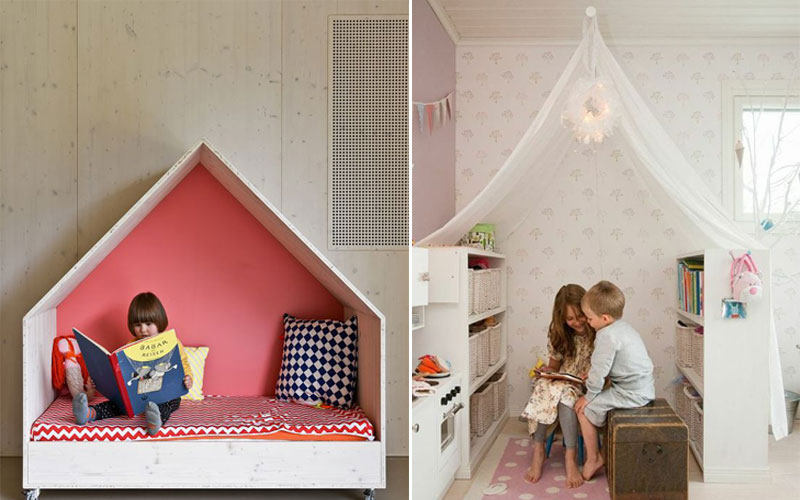
- Cozy Reading Nook:This small, enclosed space offers a sense of privacy and comfort, allowing children to retreat when they feel overwhelmed. It reduces environmental stimulation and offers emotional security, giving anxious children a safe zone to calm down. When integrated into classroom corners or quiet zones, it helps children develop self-regulation and re-enter group activities when ready.
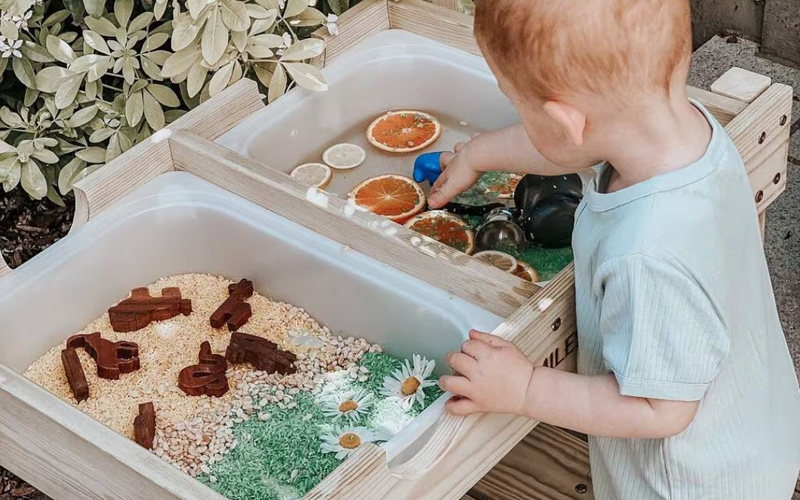
- Sensory Table with Sand or Water:Tactile activities like scooping, pouring, and swirling offer repetitive motion that calms the nervous system. This kind of focused, hands-on play lowers internal stress, redirects anxious energy, and supports mindfulness. Sensory tables are especially effective for children who show signs of restlessness or tension during transitions or group time.
- Weighted Lap Pad or Sensory Bean Bag Chair:These items apply gentle, consistent pressure to the body, which helps children feel grounded and safe. The deep pressure mimics a calming hug and reduces physical symptoms of anxiety, such as fidgeting or muscle tension. They’re ideal for circle time, reading sessions, or calming areas in the classroom.
- Rocking Chair or Calming Rocker:The slow, repetitive movement of rocking activates the vestibular system, helping children achieve a calmer state of mind. This physical rhythm is especially helpful for those experiencing separation anxiety or difficulty sitting still. A rocking chair in a quiet area provides comfort and a familiar sensory experience.
- Emotion Puppets or Expression Dolls:These tools allow children to project their own emotions onto a toy, helping them express feelings they can’t yet verbalize. Pretend play using emotion dolls supports emotional literacy, builds empathy, and provides a safe way to explore scenarios that may trigger anxiety. They’re especially useful during social-emotional learning sessions.
- Soft Plush Toys or Hug Dolls:Plush comfort items offer tactile reassurance and emotional support. Holding or hugging a soft toy can lower heart rate and reduce stress in anxious children, especially during naptime or when entering unfamiliar settings. These items act as emotional anchors, making transitions smoother and children feel less alone.
خاتمة
Supporting emotional well-being in early childhood doesn’t require complex interventions—sometimes, it starts with the right environment and carefully chosen tools. From cozy nooks and sensory tables to weighted lap pads and expression dolls, the right preschool furniture and toys can make a measurable difference in easing anxiety in children. These items not only offer comfort and predictability but also empower children to self-regulate, express their emotions, and feel safe in both home and school settings. When thoughtfully integrated into daily routines, these tools create calm, supportive spaces where anxious children can thrive, learn, and grow with confidence.
الأسئلة الشائعة
1. What is the 3 3 3 rule for anxiety in children?
The 3-3-3 rule is a simple grounding technique that helps children manage anxious thoughts by focusing on the present. It works like this:
- Name 3 things you can see.
- Name 3 things you can hear.
- Move 3 parts of your body.
This exercise helps reduce overthinking by gently redirecting attention to the body and environment. It’s especially helpful for calming episodes of anxiety in children at home or in school.
2. What is the #1 worst habit for anxiety?
The worst habit for anxiety—especially in children—is avoidance. When children consistently avoid people, places, or situations that make them anxious, the fear grows stronger over time. Avoidance may offer temporary relief, but it prevents them from learning that they can handle discomfort. A key part of managing anxiety in children is gently supporting them to face fears step by step, rather than escape them entirely.
3. How to discipline a high-anxiety child?
Discipline for anxious children should focus on connection, not control. Traditional punishments often increase stress. Instead:
- Set clear but flexible expectations.
- Use calm, respectful language.
- Help the child label emotions (“I see you’re feeling overwhelmed”).
- Offer coping tools (breathing, quiet spaces).
Remember, many “misbehaviors” in anxious children are actually stress responses. Teaching regulation and consistency, rather than reacting harshly, helps reduce both anxiety and behavioral issues.
4. What is the 5 4 3 2 1 anxiety strategy?
The 5-4-3-2-1 technique is a sensory-based grounding method designed to reduce anxiety by focusing on the present moment.
- 5 things you can see
- 4 things you can touch
- 3 things you can hear
- 2 things you can smell
- 1 thing you can taste
This tool is highly effective for anxiety in children, particularly when they feel overwhelmed. It uses the five senses to shift focus away from anxious thoughts and into the physical world.
5. What are the 4 traits that perpetuate anxiety?
The following traits can contribute to ongoing anxiety in both children and adults:
- Perfectionism – fearing mistakes or failure
- Avoidance – retreating from uncomfortable situations
- Excessive control-seeking – needing to plan or predict everything
- Negative self-talk – internal messages like “I can’t handle this”
In children, these traits can develop early. Recognizing and gently addressing them helps reduce long-term patterns of anxiety in children.
6. What personality is more prone to anxiety?
Children with sensitive, cautious, or highly empathetic temperaments are more likely to experience anxiety. They often notice more, feel deeply, and may struggle with unfamiliar environments or social dynamics. While these traits can be strengths, they can also lead to increased worry if not supported. Creating structured, emotionally safe spaces is essential for helping these children manage and grow beyond their anxiety in children.





 AR
AR  EN
EN  FR
FR  IT
IT  DE
DE  ES
ES  TH
TH  JA
JA  TR
TR