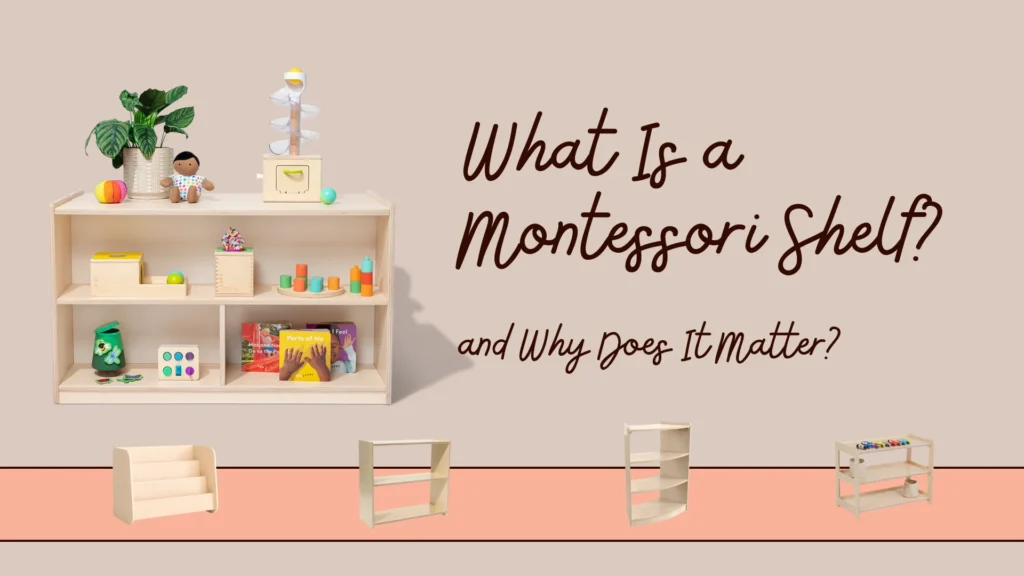
When creating a Montessori-inspired environment, the shelf is often one of the most important elements in the room. It does much more than hold toys or learning materials. A montessori shelf helps shape the way children explore, choose, and learn, making the space feel more calm, intentional, and child-centered from the very beginning.
Designed to be low, open, and accessible, a montessori shelf allows children to see materials clearly and use them independently. Instead of overwhelming them with too many choices, it presents a small number of carefully selected items that encourage focus, exploration, and a growing sense of order. This is why Montessori shelves are widely used in Montessori classrooms, preschools, and homes that want to support more independent learning.
Why Montessori Shelves Matter in Child Development?
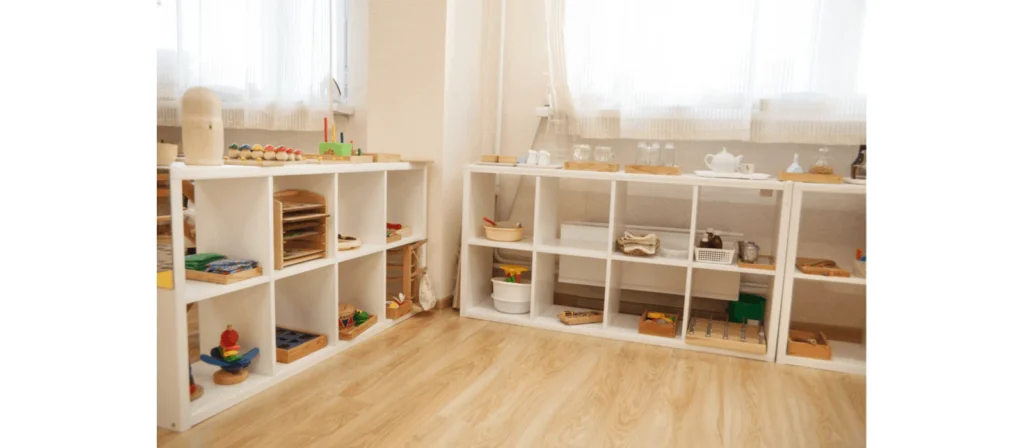
A Montessori shelf is far more than a place to store learning materials. In การศึกษาแบบมอนเตสซอรี่, the environment itself is part of the child’s learning experience, and the shelf plays a central role in shaping that experience. Because it is low, open, and intentionally arranged, it helps children interact with materials in a way that supports independence, order, and active engagement. This is why Montessori shelves matter so much in child development, especially during the early years.
ส่งเสริมความเป็นอิสระ
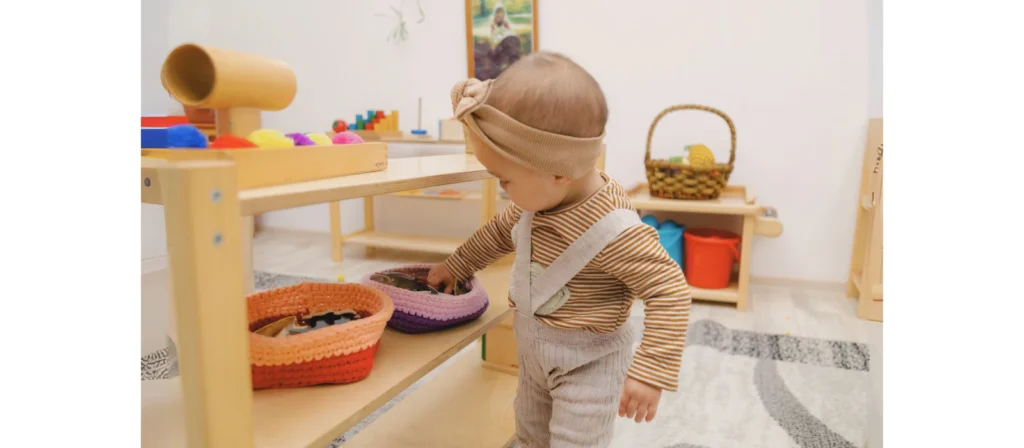
One of the clearest benefits of a Montessori shelf is that it encourages independence. Children are able to see the materials available to them, choose an activity on their own, and return it when they are finished. These simple actions help them practice doing things without constant adult direction. Over time, this builds confidence and gives children a stronger sense of capability in their everyday environment.
Builds Concentration
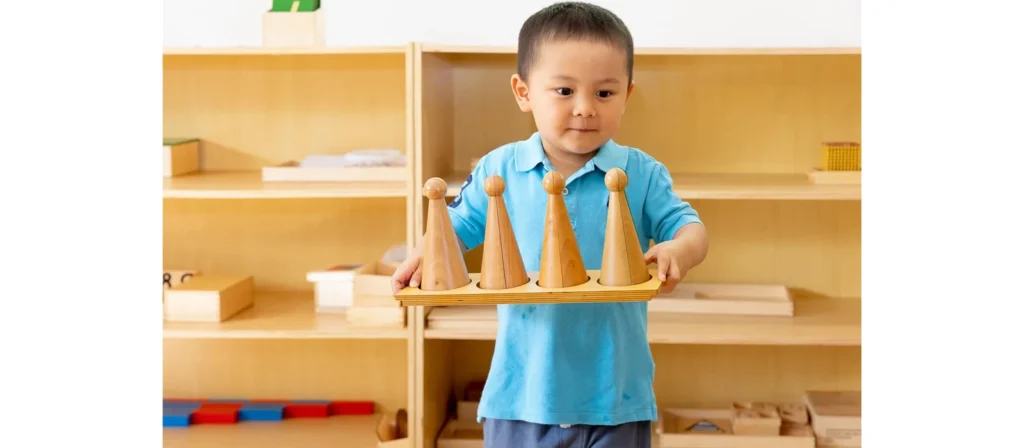
A Montessori shelf also helps build concentration. Instead of presenting too many toys or activities at once, it offers only a limited number of carefully chosen materials. This reduces distraction and makes the space feel calmer. When children are not overwhelmed by excessive choice or visual clutter, they are more likely to focus deeply on one activity and stay engaged for longer periods.
Creates Order
Order is a foundational concept in Montessori education, and the shelf helps make that concept visible. Each material has a designated place, and the arrangement is neat, simple, and consistent. This external order supports the child’s developing sense of internal order. As children repeatedly use and return materials, they begin to understand routine, sequence, and the importance of structure in daily life.
Supports Purposeful Choice
A Montessori shelf supports purposeful choice by offering materials with intention rather than in excess. Children are not expected to sort through piles of random toys. Instead, they are invited to choose from a small selection of meaningful activities. This helps them make clearer decisions, engage more intentionally, and develop the ability to select work that matches their interests and developmental stage.
Develops Responsibility
Responsibility is built into the daily use of a Montessori shelf. After completing an activity, the child is expected to put it back in its proper place. This simple routine teaches care for materials, respect for the environment, and awareness of completion. In this way, children begin to understand that independence also comes with responsibility.
Promotes Confidence
As children repeatedly choose, use, and return materials on their own, they gain confidence in their abilities. The shelf gives them access to work they can manage independently, which helps them experience success through their own effort. Rather than always relying on adult help, they begin to trust themselves and feel more secure in their actions.
Supports Child-Centered Learning
A Montessori shelf reflects a child-centered approach to education. It is designed at the child’s height, arranged for the child’s use, and filled with materials chosen for the child’s stage of development. This sends a powerful message that the environment belongs to the child and is meant to support active participation. Instead of being a passive receiver of instruction, the child becomes an engaged and capable learner.
Key Principles of a Montessori Shelf
A Montessori shelf may appear simple, but it is guided by several clear principles that shape how children interact with the environment. These principles are not only about neatness or appearance. They are about creating a space that children can understand, use, and trust. When a shelf is prepared with intention, it becomes more than a place to hold materials. It becomes part of a learning environment that supports independence, focus, and order.
การเข้าถึงได้
A Montessori shelf should be easy for children to reach and use on their own. The height of the shelf matters because children need to be able to see and access materials without relying on adults. When items are placed within reach, the environment encourages self-direction and makes independent choice possible.
Visual Order
Clear visual order is one of the most important principles of a Montessori shelf. Each material should have its own place, and the arrangement should feel simple and easy to understand. A shelf that looks calm and organized helps children know what is available and where each item belongs. This clarity supports both confidence and concentration.
Simplicity
A Montessori shelf is based on the idea that less is often more. Instead of displaying too many toys or activities at once, it offers a small number of carefully selected materials. Simplicity reduces distraction and makes the environment more manageable for the child. It also encourages deeper engagement with each activity rather than quick, unfocused switching.
Purposeful Materials
The materials on a Montessori shelf should be chosen with intention. Each item should serve a meaningful purpose in the child’s development, whether it supports practical life skills, sensory exploration, language, or early problem-solving. A Montessori shelf is not meant to hold random entertainment. Its value comes from the quality and purpose of what is presented.
Developmental Appropriateness
A well-prepared Montessori shelf reflects the child’s stage of development. Materials should be suitable for the child’s age, interests, and current abilities. When the activities are developmentally appropriate, children are more likely to feel engaged, capable, and motivated to repeat their work. This balance is essential for meaningful learning.
ความเป็นอิสระ
Independence is at the center of the Montessori approach, and the shelf should support it in practical ways. Children should be able to choose materials, carry them, use them, and return them without unnecessary assistance. The design and arrangement of the shelf should make these actions as natural as possible, helping children grow more confident in their own abilities.
What Should Be on a Montessori Shelf?
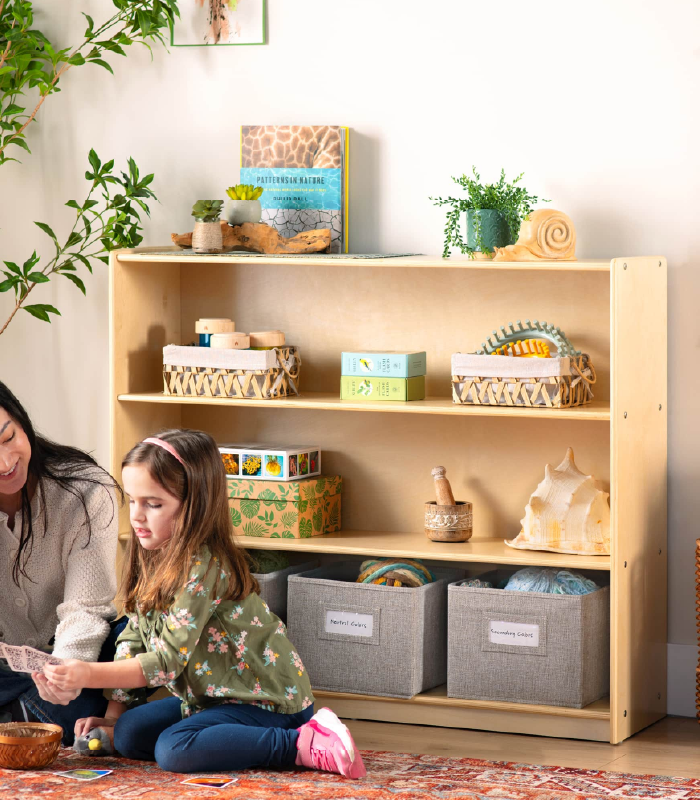
What goes on a Montessori shelf should always be guided by purpose rather than quantity. The shelf is not meant to display as many toys as possible. Instead, it should offer a small, thoughtful selection of materials that children can use independently and meaningfully. Each item should be easy to see, easy to reach, and appropriate for the child’s age and stage of development. When the shelf is prepared with care, it becomes an inviting space that encourages focused activity instead of passive distraction.
Practical Life Materials
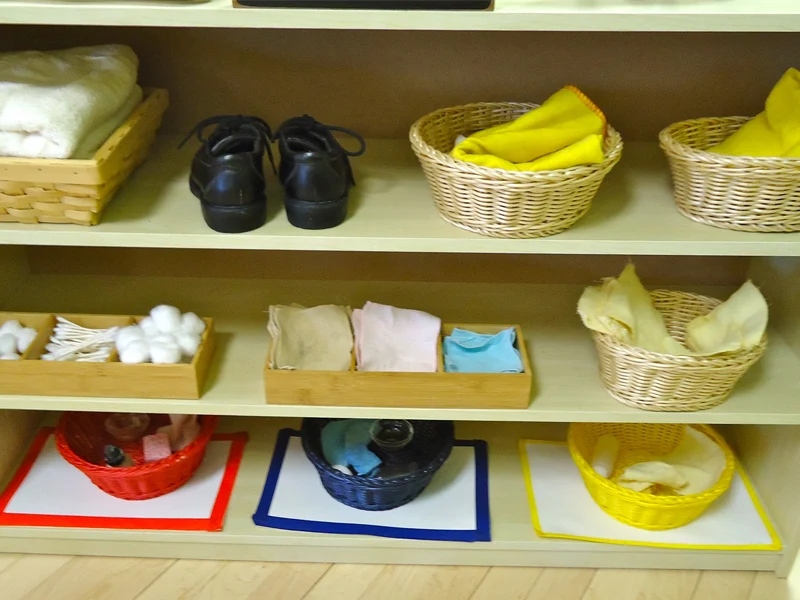
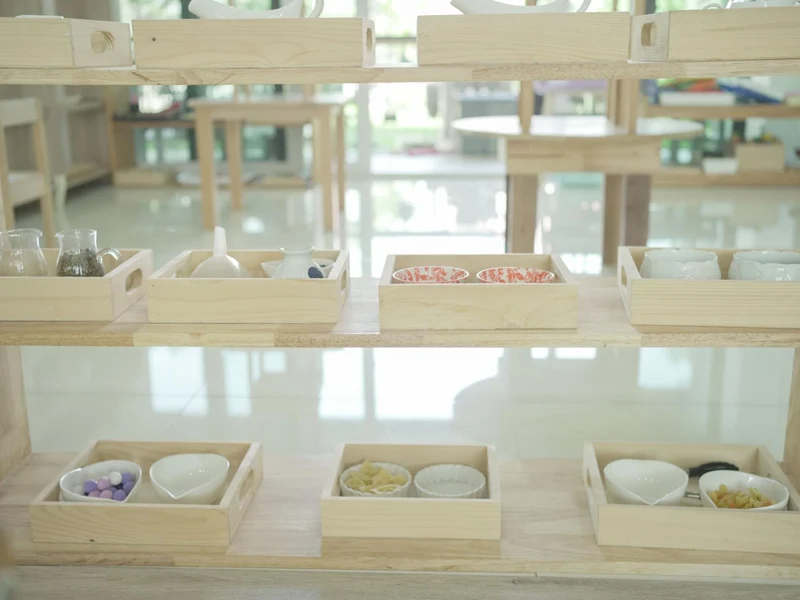
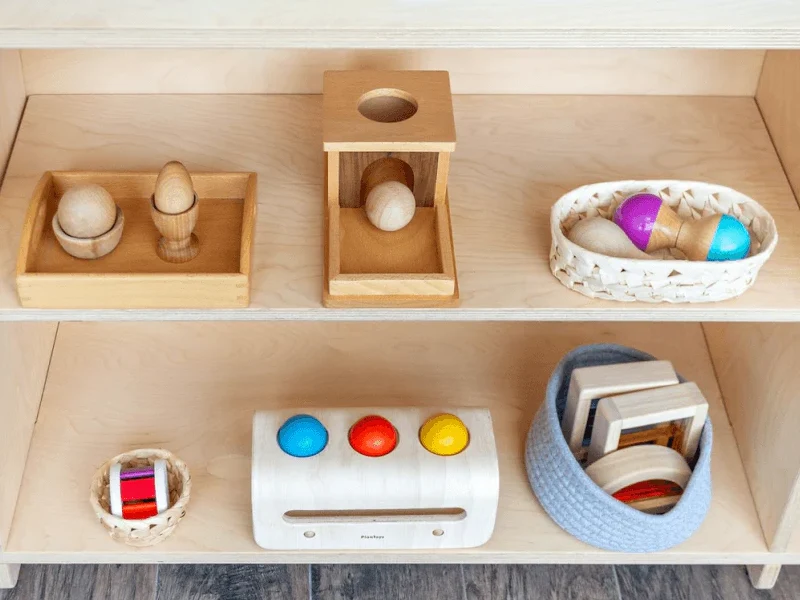
Practical life materials are a key part of a Montessori shelf, especially for younger children. Activities like pouring, spooning, sorting, folding, or wiping help build coordination, concentration, and independence through everyday, purposeful movement.
Sensorial Materials
Sensorial materials help children explore concepts such as color, shape, size, texture, and sound. These activities strengthen observation skills and support early cognitive development through hands-on learning.
Early Math Materials
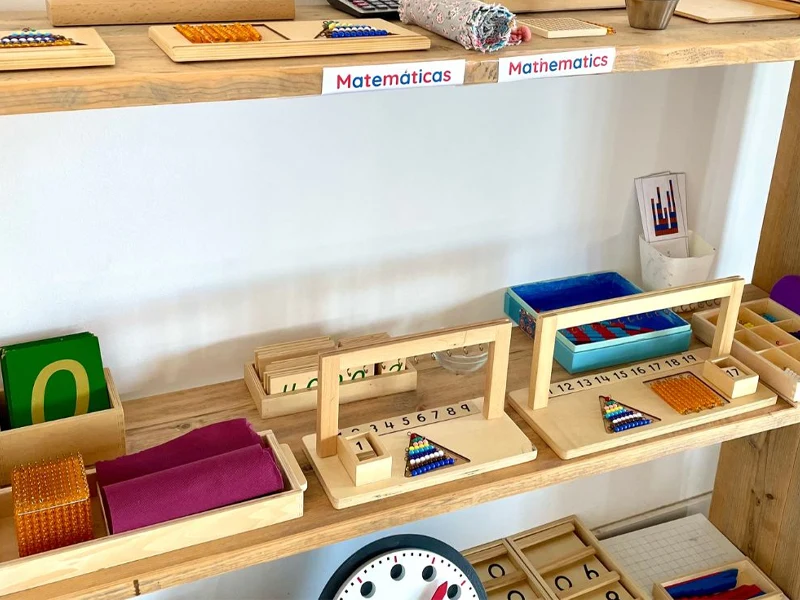
Early math materials introduce basic number concepts in a concrete and engaging way. Counting objects, matching numbers, and simple sequencing activities can help children build number awareness and logical thinking without making learning feel overly formal.
Fine Motor Activities
Fine motor activities help strengthen hand control and coordination. Examples include threading, using tongs, opening containers, and transferring objects. These tasks also support later skills such as self-care and writing readiness.
Books
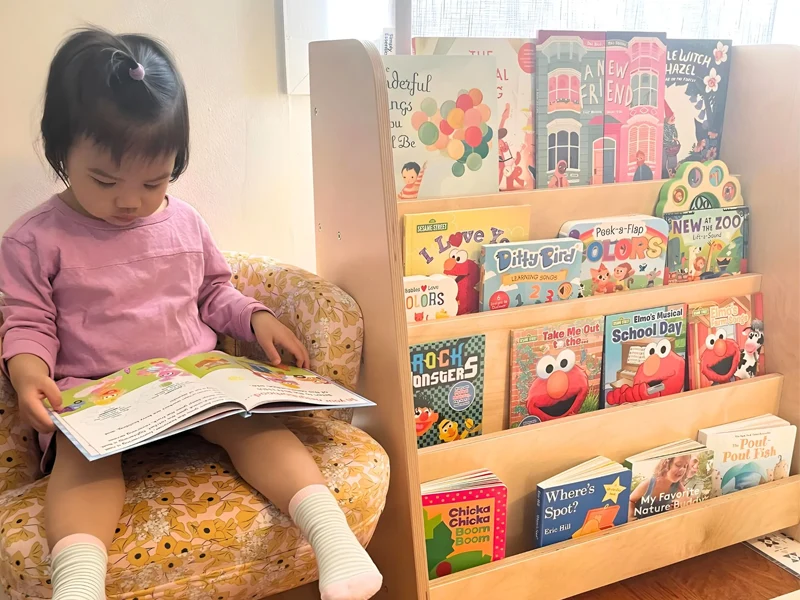
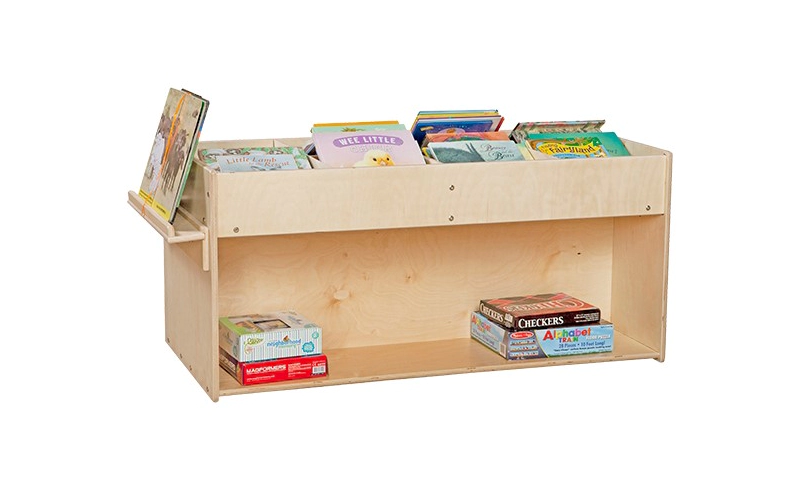
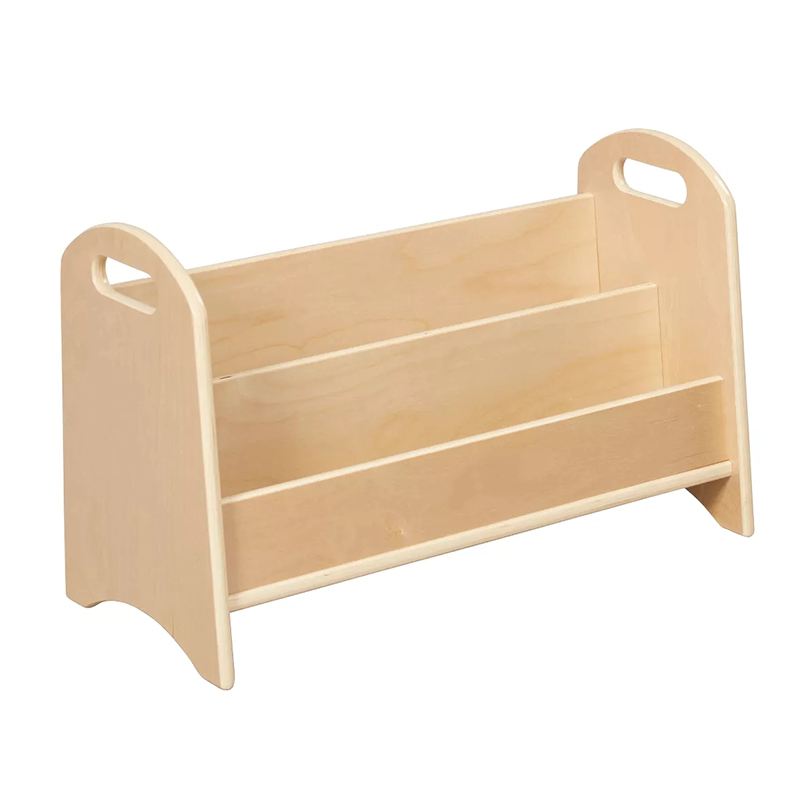
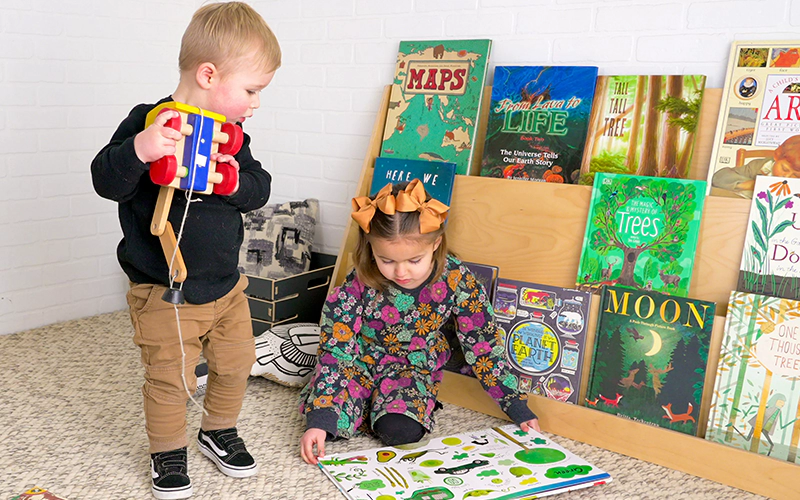
A Montessori shelf can also include a small number of carefully chosen books. Books should be easy to access, visually clear, and appropriate for the child’s age, helping encourage independent interest in language and stories.
Nature and Reality-Based Objects
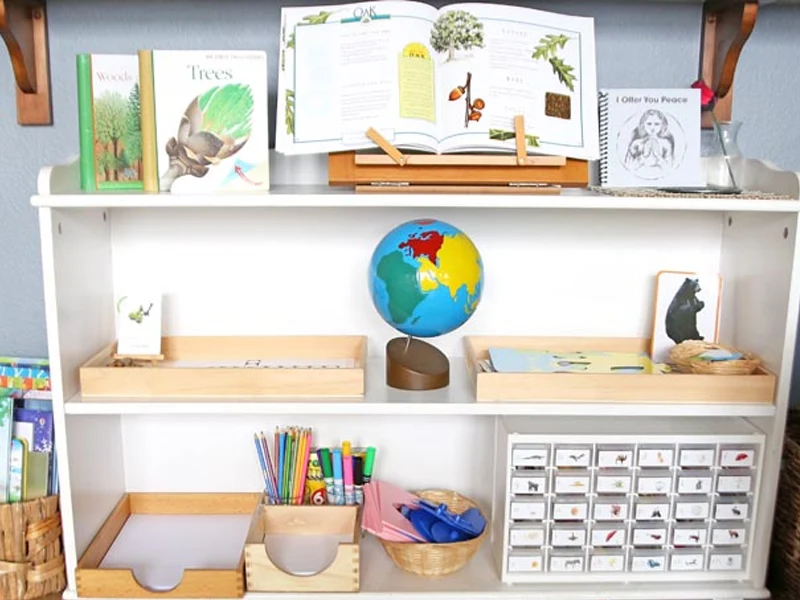
Natural and reality-based objects are often used to help children connect with the real world. Items made from wood, metal, glass, or fabric, as well as simple nature objects, can add sensory richness and make the shelf feel more meaningful.
Age-Appropriate Materials
All materials on a Montessori shelf should match the child’s developmental stage. The best choices are those that are simple enough to use independently while still interesting enough to encourage focus and repeated use.
How to Choose the Right Montessori Shelf?
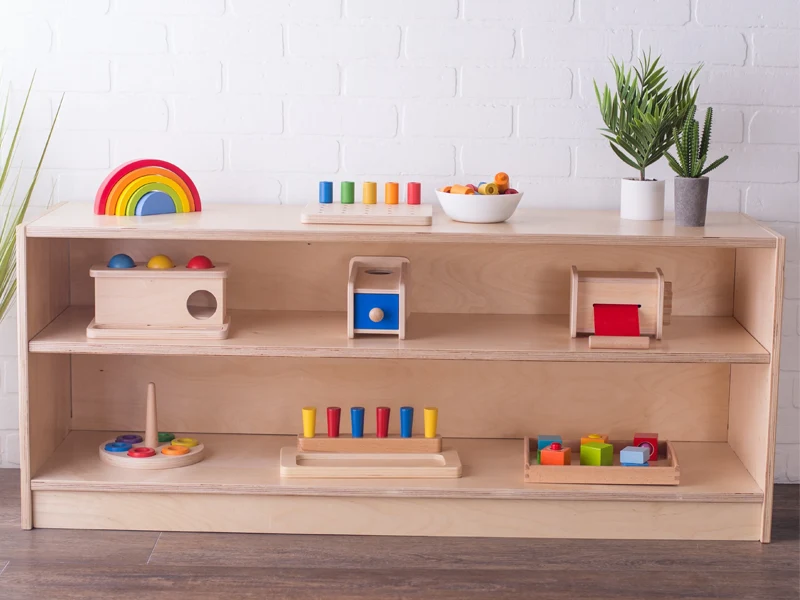
Choosing the right Montessori shelf is less about finding a trendy piece of furniture and more about selecting something that truly supports the child’s independence. A good shelf should help children see materials clearly, reach them easily, and return them without unnecessary adult help. It should also fit the space, suit the child’s stage of development, and make daily organization easier. When these factors come together, the shelf becomes a practical part of the prepared environment rather than just a storage unit.
Consider the Child’s Height
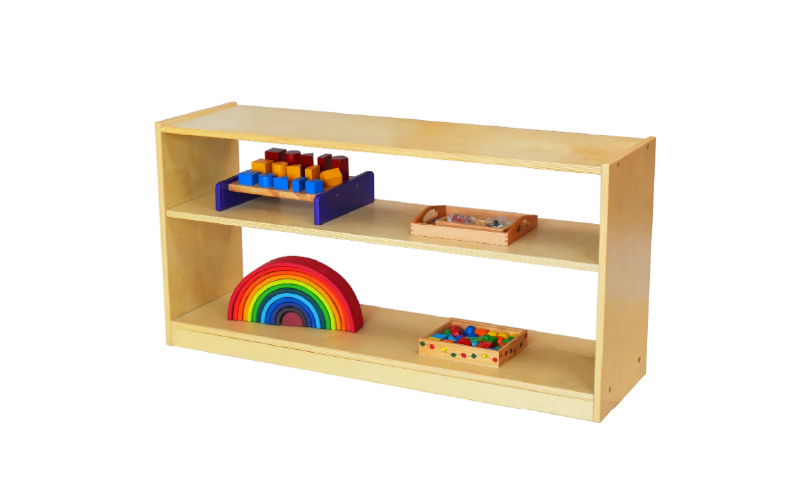
One of the first things to look at is height. A Montessori shelf should be low enough for children to access materials on their own. When a shelf is too tall, adults end up controlling the materials, which limits the child’s independence. A lower shelf allows children to approach, choose, and return activities more naturally.
Choose an Open Design
An open shelf works better than a closed cabinet because children can immediately see what is available. Visibility is important in a Montessori environment. If materials are hidden behind doors or packed into opaque bins, children have fewer opportunities to make independent choices. An open design helps the shelf feel clear, inviting, and easy to use.
Check the Shelf Depth
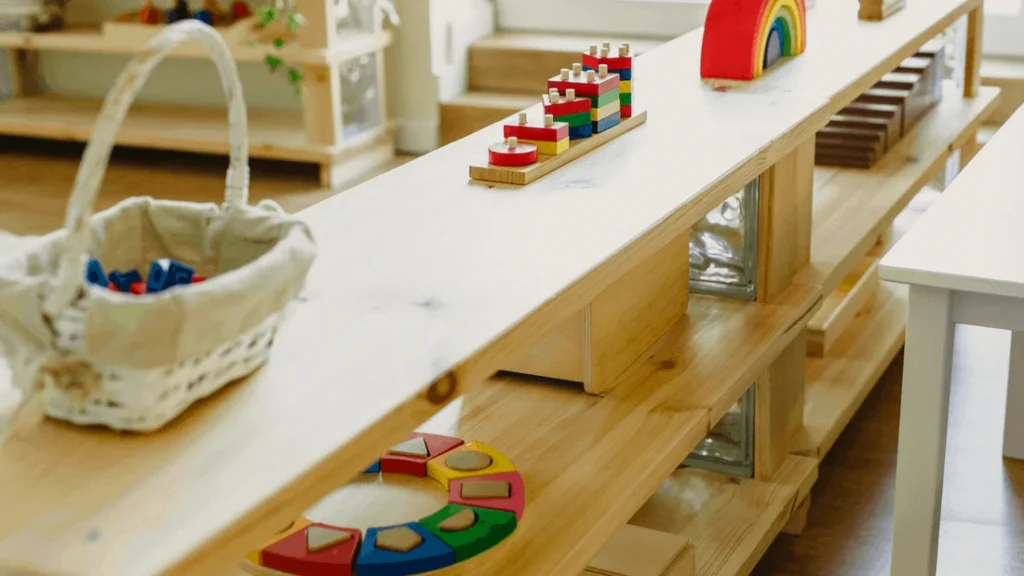
The depth of the shelf affects how well materials can be displayed. Shelves that are too deep often make activities harder to see and easier to clutter. A shallower shelf usually works better because it keeps materials visible and encourages a cleaner layout. This makes it easier for children to understand what belongs on the shelf and where each item should go.
Prioritize Stability
A Montessori shelf should feel safe and secure in everyday use. Children will walk up to it, reach for materials, and interact with it regularly, so it should not wobble or tip easily. A stable shelf supports safe movement and gives children more confidence as they use the environment independently.
Select Durable Materials
The shelf should be made from materials that can handle regular daily use. Wood is often preferred in Montessori-inspired spaces because it feels warm, natural, and calm, but durability matters more than appearance alone. A strong, functional shelf that lasts over time is usually a better choice than one selected only for style.
Support Easy Organization
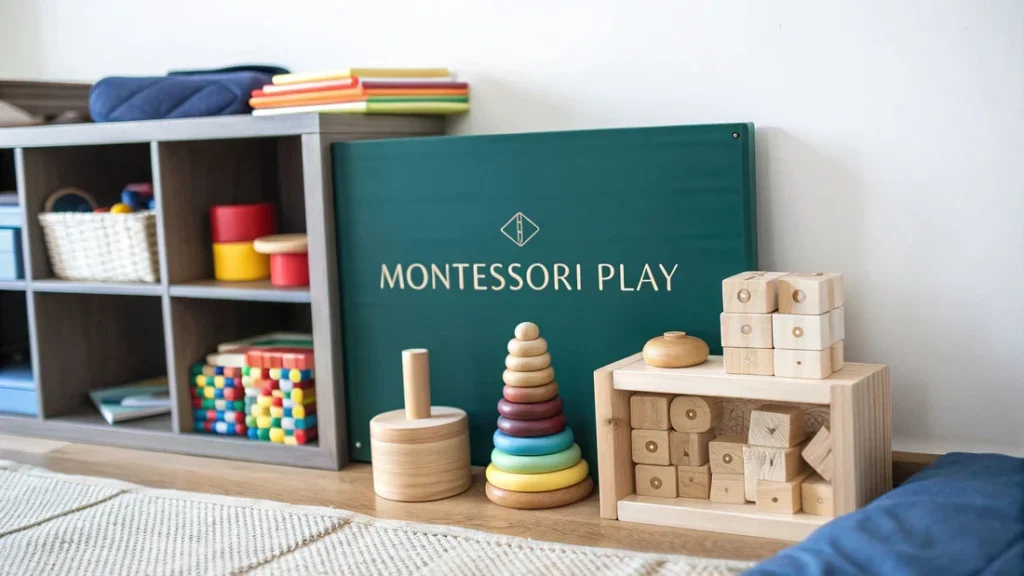
A good Montessori shelf should make organization easy, not difficult. Each level should have enough room for trays, baskets, or clearly separated activities. If the shelf is too crowded or awkwardly shaped, it becomes harder to maintain order. Choosing a shelf that supports clear presentation will make daily setup and cleanup much smoother.
Allow for Flexibility
Children’s needs change as they grow, so it helps to choose a shelf that can adapt over time. A flexible shelf can hold practical life activities for younger children, then later support language work, books, or more advanced materials. This makes the shelf more useful across different developmental stages.
Final Thoughts
A Montessori shelf is not just about storage. It is about creating a space where children can learn with independence, clarity, and purpose.
From Montessori classrooms to home learning environments, the right shelf helps children access materials more easily, stay focused, and develop a stronger sense of order. That is why choosing a well-designed Montessori shelf can make a meaningful difference.
ที่ ท็อป มอนเตสซอรี่, we design and offer Montessori shelves that combine functionality, simplicity, and child-centered design, helping families and educators create learning spaces that truly support children’s development.
FAQs About Montessori Shelves
What is the purpose of a Montessori shelf?
The purpose of a Montessori shelf is to help children access materials independently in an orderly and child-centered environment. A Montessori shelf is designed to make activities visible, reachable, and easy to return, which supports independence, concentration, and responsibility.
What makes a Montessori shelf different from a regular shelf?
A Montessori shelf is different from a regular shelf because it is designed for the child rather than for storage alone. It is usually low, open, and intentionally arranged with a limited number of materials. This helps children make clear choices and use materials more independently.
What should be placed on a Montessori shelf?
A Montessori shelf should hold a small number of purposeful, age-appropriate materials. These may include practical life activities, sensory materials, language work, early math activities, fine motor tasks, or a few carefully chosen books. The focus should be on quality, order, and usability rather than quantity.
How many items should be on a Montessori shelf?
A Montessori shelf should not be overcrowded. In most cases, a few well-chosen materials are better than offering too many options at once. Keeping the selection limited helps reduce distraction and encourages children to focus more deeply on each activity.
What age is a Montessori shelf for?
A Montessori shelf can be used for infants, toddlers, preschoolers, and even older children, as long as the materials and shelf height match the child’s developmental stage. The key is to make sure the shelf remains accessible, organized, and appropriate for the child’s current needs.
Do I need a special Montessori shelf?
You do not always need a specially branded shelf, but the shelf should follow Montessori principles. It should be low, open, stable, and easy for children to use independently. A well-designed Montessori shelf, such as those offered by ท็อป มอนเตสซอรี่, can make it easier to create a functional and child-friendly learning environment.
How do I choose the right Montessori shelf?
To choose the right Montessori shelf, look for one that is child-height, open-front, stable, and simple in design. It should fit your space, support easy organization, and allow materials to be clearly displayed. The best Montessori shelf is one that helps children interact with their environment confidently and independently.





 TH
TH  EN
EN  AR
AR  FR
FR  IT
IT  DE
DE  ES
ES  JA
JA  TR
TR