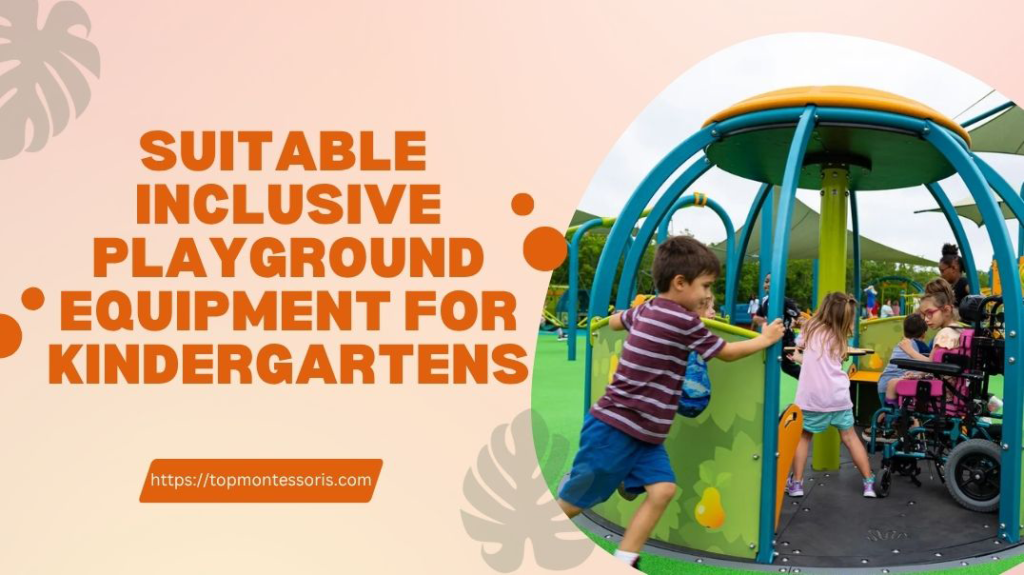
Is your kindergarten playground truly inclusive? Can every child fully participate in playtime regardless of physical ability, sensory needs, or developmental challenges? Are you confident your playground setup encourages interaction and safety for all children? What kind of inclusive playground equipment is suitable for kindergartens? How do you ensure no child feels left out during play?
Inclusive playground equipment ensures that children of all abilities can play, explore, and interact equally. For kindergartens, this means creating a space where children with mobility aids, sensory sensitivities, or cognitive differences are not excluded. It promotes empathy and inclusion by allowing children to learn through interaction and shared experiences. Inclusive playground equipment creates an environment where play becomes a powerful tool for learning and unity.
Choosing suitable inclusive playground equipment is not just a trend—it’s a responsibility for modern educators and school owners. This article will share key equipment features to look for and why inclusive play benefits children and your kindergarten’s long-term success.
What Is Inclusive Playground Equipment?
Inclusive playground equipment refers to structures and features designed to allow children of all abilities to play, interact, and grow together in the same environment. Unlike traditional playgrounds, which often cater to a narrow range of physical and sensory needs, inclusive playground equipment aims to provide every child with an equal opportunity to participate, regardless of ability, disability, or developmental level.
The design of inclusive playground equipment is based on universal design principles, meaning it’s created from the start to be usable by everyone, without the need for adaptation. For kindergartens, where play is central to cognitive, emotional, and physical development, having inclusive playgrounds is not just ideal—it’s essential. These environments support the development of empathy, cooperation, independence, and creativity, all within a safe and welcoming play space.
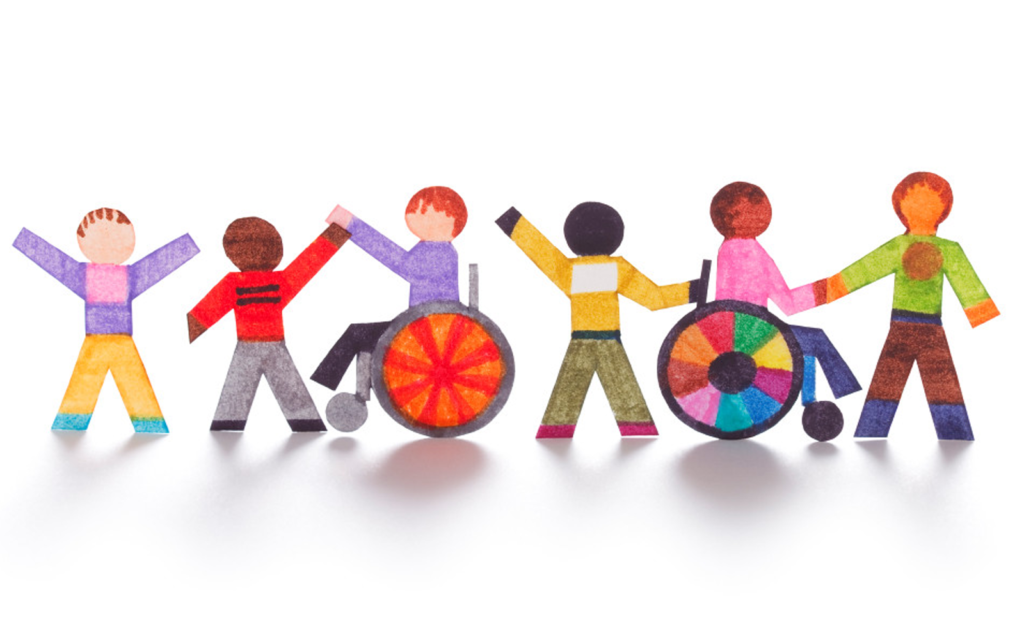
Why Kindergartens Need Inclusive Playground Equipment?
The early childhood years are a critical period for development. During this time, children form foundational skills for academics and life skills like movement, communication, emotional regulation, and problem-solving. Kindergartens that provide inclusive playground equipment do more than create a place for fun. They offer a structured environment where developmental growth is supported through play and accessible to every child, regardless of ability.
Inclusive playground equipment goes beyond compliance with accessibility laws. They represent a commitment to equity in education and development. For kindergartens, this is not only ethically responsible but also practical. When children feel included, they are more likely to participate, develop relationships, and thrive. Parents, too, become more confident in the school’s ability to care for and nurture their children holistically.
Physical: Gross Motor Skill Improvement
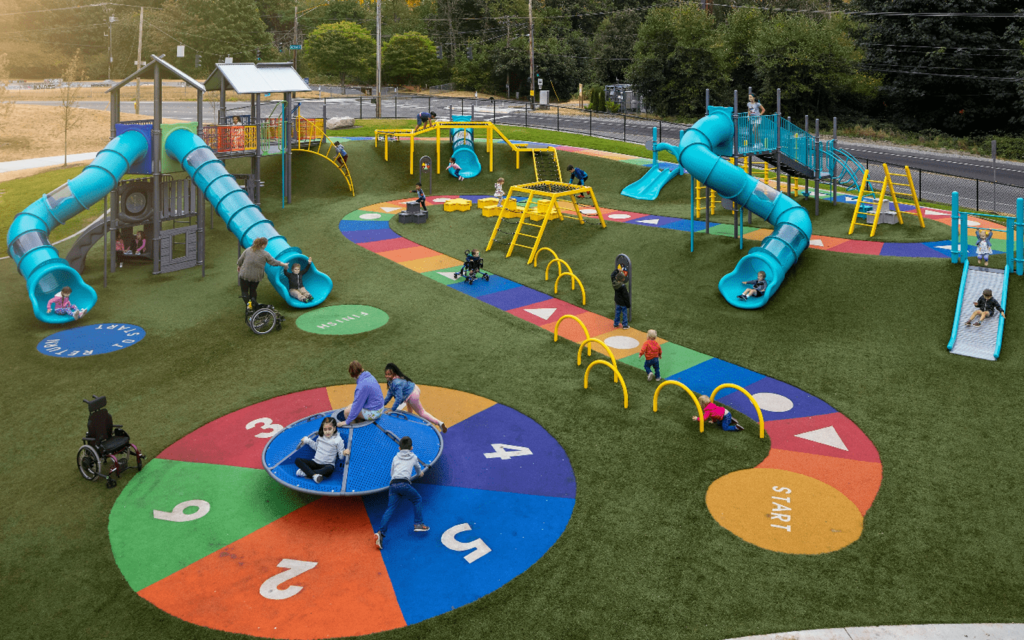
Inclusive playgrounds transform physical development opportunities by ensuring all children—regardless of ability—can access the benefits of active play. While traditional playgrounds support climbing, swinging, crawling, sliding, and balancing to build core strength, coordination, and body awareness, they often exclude children with disabilities. Inclusive equipment, such as ramps with gentle slopes, low-step climbers, ground-level activities, and motion-based features like spinner bowls and accessible merry-go-rounds, makes gross motor play available to everyone. These features not only help children with physical disabilities develop essential skills like muscle strength and motor planning but also encourage interaction with their typically developing peers. As children play side by side, they form shared experiences that promote empathy, normalize differences, and cultivate a more inclusive and accepting community from an early age.

Cognitive: Problem-Solving, Focus, Curiosity
Inclusive playground equipment is not just about accessibility—it actively supports cognitive development through hands-on exploration and meaningful challenges. Features like puzzle panels, mazes, musical instruments, and multi-sensory boards stimulate problem-solving, pattern recognition, and independent thinking. Elements such as height-adjustable water tables and tactile panels with gears, mirrors, and textures allow all children—including those with mobility or sensory challenges—to engage in developmentally appropriate learning. Because these environments are often designed to be more structured and calming, they also help children with attention disorders or sensory sensitivities sustain focus, build persistence, and develop critical classroom-ready skills like routine-following and sequential thinking.
Social: Cooperation, Communication, Inclusion
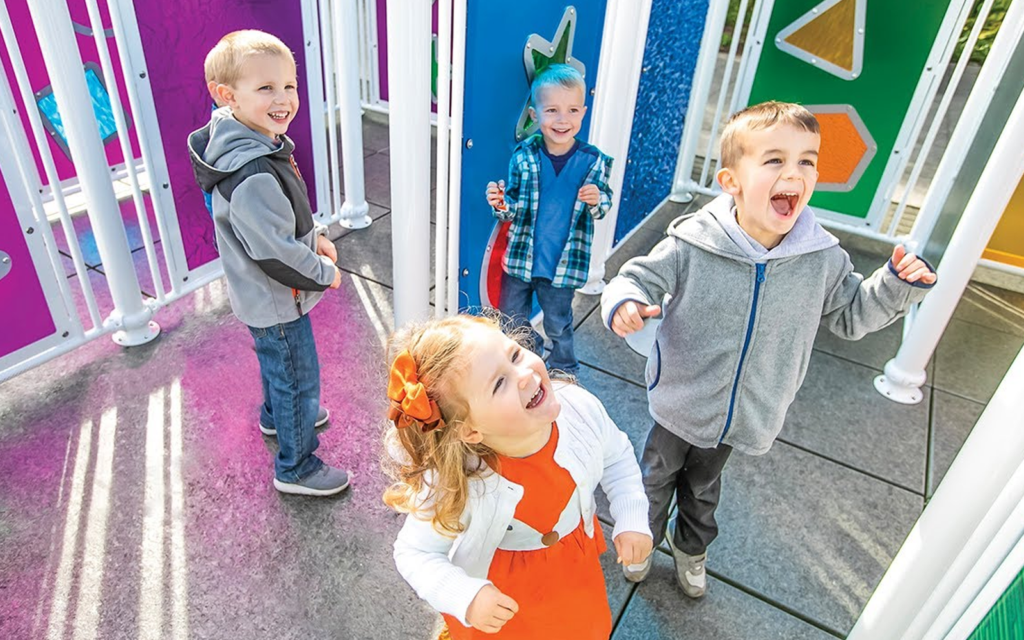
Inclusive playgrounds naturally foster social interaction, and in kindergartens, this is vital. Children learn to take turns, share equipment, and resolve conflicts—skills that carry over into every part of life. Inclusive play becomes a powerful social equalizer when the equipment is designed so children can engage side-by-side regardless of their physical or cognitive abilities.
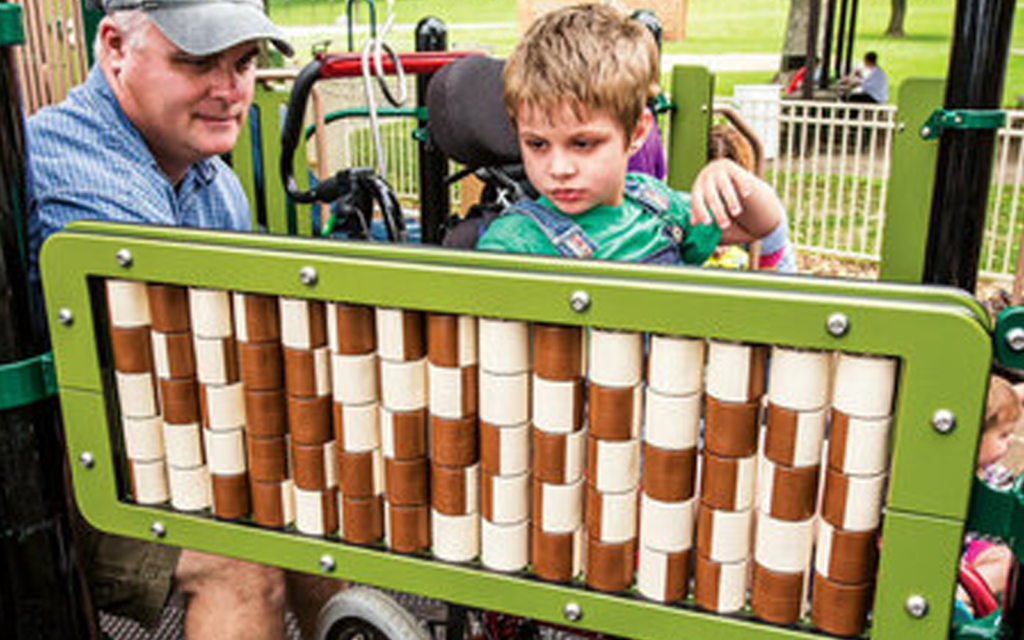
Consider a musical wall where one child in a wheelchair and another without disabilities can reach, play, and collaborate. Or a spinner that accommodates multiple children and requires cooperative effort to move. These designs don’t just allow play—they encourage connection.
Moreover, inclusive playground equipment allows typically developing children to become naturally aware of diversity. They learn empathy, patience, and communication by interacting with peers who may move, speak, or think differently. That experience, in turn, lays the groundwork for more inclusive attitudes as they grow.
Emotional: Confidence, Empathy, Belonging
Emotional development in the early years sets the tone for how children see themselves and others. Inclusive playground equipment directly impacts a child’s emotional well-being by reinforcing a critical message: You belong here.
When a child is excluded from physical play due to a poorly designed environment, it can lead to feelings of frustration, isolation, or inadequacy. But it reinforces confidence and self-worth when they can swing, slide, climb, and laugh alongside their peers.
Kindergartens that embrace inclusive play design are creating emotionally safe spaces. This benefits children with disabilities but also helps all children learn how to respond to differences with kindness. Seeing a friend overcome a physical challenge or communicate uniquely builds empathy and admiration. Emotional intelligence, resilience, and a sense of belonging are cultivated naturally.

Key Factors When Choosing Inclusive Playground Equipment
Selecting the right inclusive playground equipment for a kindergarten is a complex but vital decision. The goal isn’t just to check off boxes for accessibility—it’s to create a truly enriching and inclusive environment that supports every child’s development. When done correctly, inclusive playgrounds serve as an educational tool, a social arena, and a safe space for exploration. To ensure that your kindergarten’s investment results in long-term benefits, it’s important to assess specific criteria beyond basic visual appeal.
Design adatto all'età
Tailored explicitly for 2–6-year-olds
Children in this age group are not simply “small versions” of older kids. Their needs are distinct, and so are their limitations. Inclusive playground equipment must provide equipment that promotes developmentally appropriate challenges without causing frustration or safety risks. Features like low platforms, short ramps, and easy-grip handles allow children to test their limits while remaining within their comfort zone.
More importantly, designs should include inclusive elements that reflect the varied developmental stages within the age range. For example, two-year-olds may require more static, ground-level activities like textured panels and crawl tunnels. At the same time, five- or six-year-olds may seek mild climbing challenges and cooperative elements like shared spinners or musical walls.
Importance of Scaled Equipment
Equipment that is too large or complex not only poses safety hazards but also creates a barrier to play for many children, especially those with mobility challenges or delayed coordination. Scaled-down equipment ensures accessibility across physical and developmental differences. The equipment’s size, height, and reachability must correspond to a small child’s physical capabilities.
Furthermore, appropriate scaling reduces the need for adult intervention. The more children can independently explore their environment, the more confident and engaged they become. That sense of independence is vital in inclusive settings, where fostering autonomy is often a central goal.

Material & Durability
Anti-Slip Surfaces
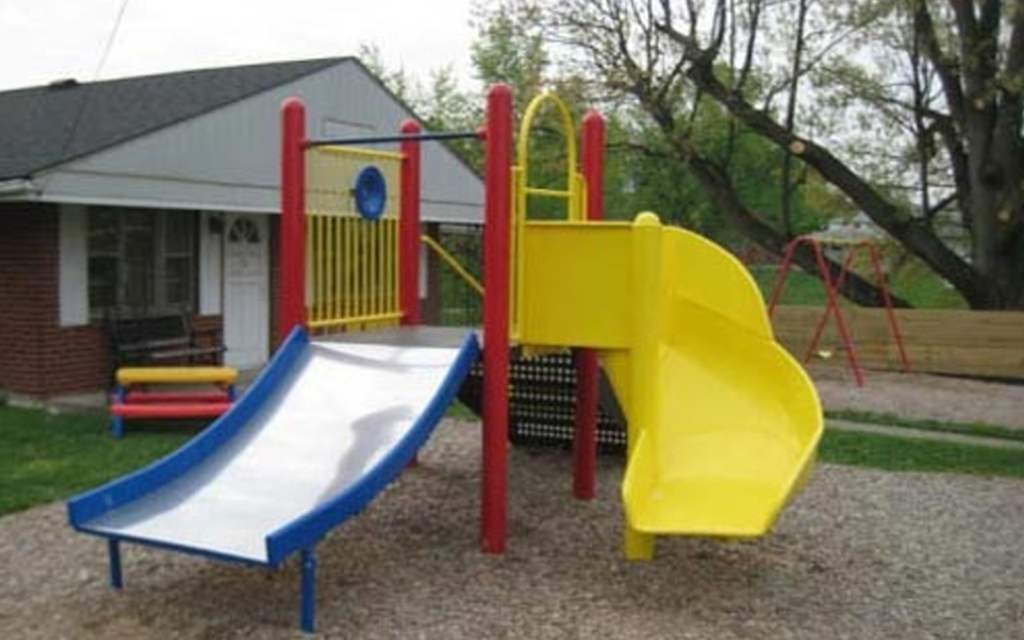
Slippery surfaces are one of the leading causes of playground injuries. In an inclusive setting where children may use mobility aids or have reduced balance or motor control, anti-slip surfacing is essential. Look for rubberized textures, grooved platforms, and slip-resistant coatings that provide traction even in wet conditions.
Ground surfacing materials should also be inclusive, such as poured-in-place rubber, engineered wood fiber, or synthetic turf, rather than loose gravel or sand, which can obstruct wheelchair movement and create hazards.
Rounded Edges and Certified Non-Toxic Materials
Poor finishing often compromises safety in playgrounds. All edges should be rounded and smoothed to prevent cuts, bruises, or serious injuries. Hardware should be covered or recessed to avoid snagging or impact. This is especially important in inclusive environments where children may crawl, lean, or maneuver differently than others.
Just as critical is the use of non-toxic, child-safe materials. Paints, plastics, and sealants should be certified free from lead, phthalates, and other harmful chemicals. Children at this age often explore with their hands and mouths, so material safety is a foundational concern.
UV and Weather Resistance
Kindergarten playgrounds are typically used year-round and are exposed to various environmental conditions. Equipment should be treated to resist UV damage, which can degrade plastic components and make surfaces hot to the touch. Metal parts should be powder-coated or corrosion-resistant, and all materials should withstand rain, heat, and seasonal temperature swings without warping or cracking.
Weather-resistant materials ensure that the playground remains safe, functional, and attractive over time. This is especially important in inclusive settings because repairs and downtime can disproportionately affect children with specific play needs.

10 Layout Recommendations for Inclusive Playground Equipment
Ground-Level Sensory Play Panels
Function:
Sensory play panels are interactive elements that stimulate children’s senses—sight, touch, and sound—through textures, colors, and manipulatives. They are essential for inclusive play as they cater to a wide range of abilities, mainly benefiting children with autism, sensory processing disorders, or developmental delays.
Layout Suggestion:
Sensory panels should be placed at ground level along playground boundaries, fences, or walls. They should be positioned at varying heights to allow access for children in wheelchairs and toddlers who are just beginning to stand or walk. Panels can also define quiet zones or transition areas as calming, engaging touchpoints.
Wide, Gradual Access Ramps
Function:
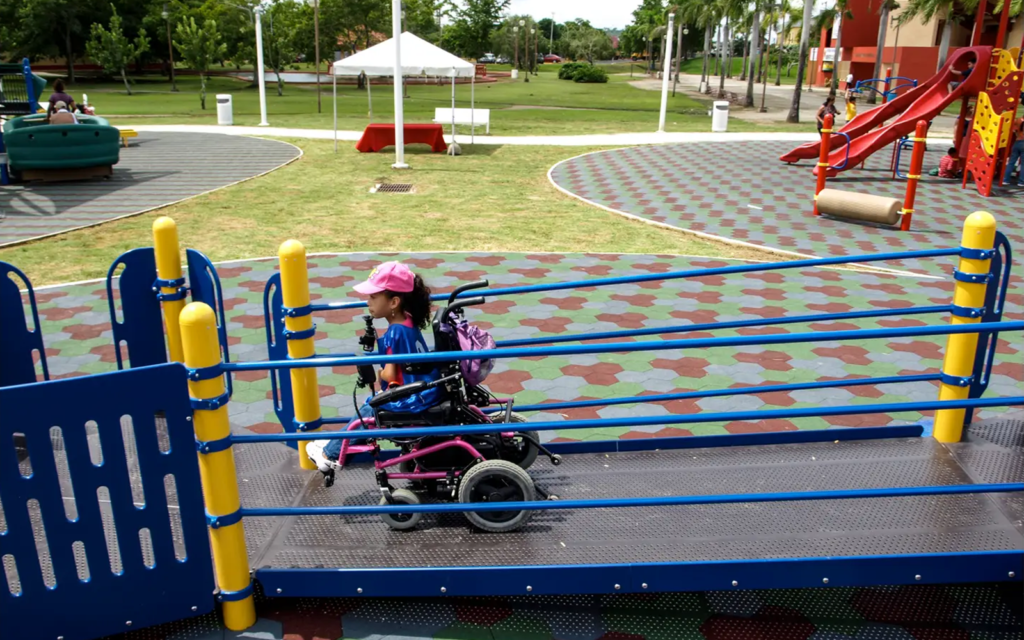
Access ramps are critical for children who use mobility devices such as wheelchairs or walkers. A wide ramp with a gentle incline and sturdy handrails ensures safe entry and movement throughout the playground. These ramps also support the development of gross motor skills in younger children who are still building balance and strength.
Layout Suggestion:
Integrate ramps as primary connectors between ground-level pathways and elevated platforms. Ensure they are wide enough for two-way movement and meet international accessibility standards. To avoid tokenistic design, ramps should lead to main play areas, not just to viewing spots.
Double Wide Slides with Transfer Platform
Function:
Double-wide slides are built for side-by-side use, allowing two children to slide together. When paired with a transfer platform, they become accessible for children using wheelchairs or with limited mobility who can transfer safely from their device to the slide.
Layout Suggestion:
Install the slide off a central raised platform, ensuring the transfer station has handrails and enough space for maneuvering. The slide should descend to a cushioned landing zone, like rubber matting, to absorb impact. Avoid placing this structure near high-traffic walkways to prevent collisions.
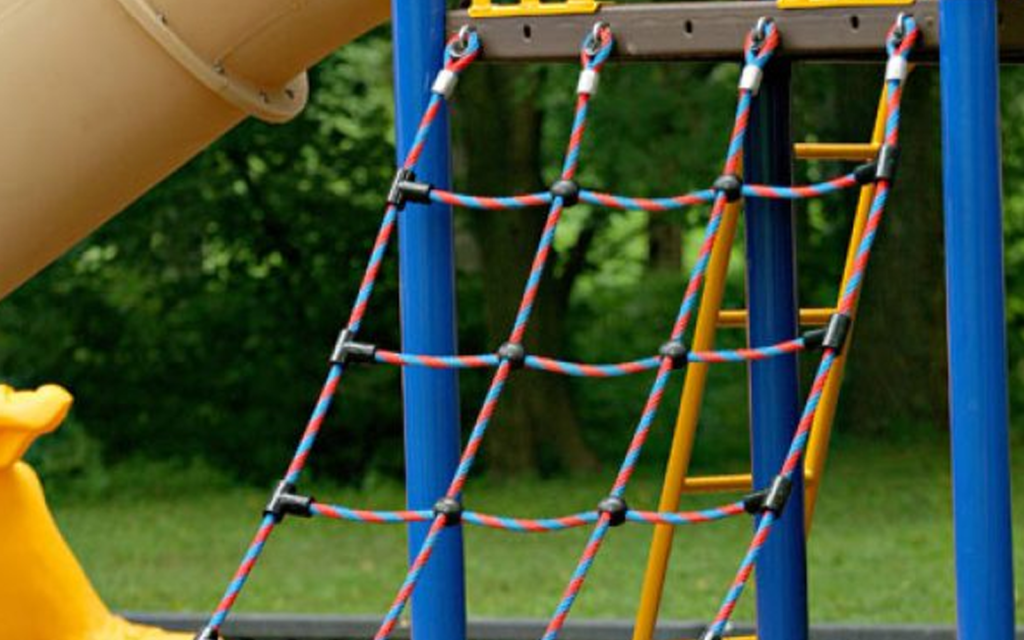
Low-Level Climbing Nets or Textured Ramps
Function:
Low-level climbing elements help children build strength, coordination, and motor planning skills. By keeping them close to the ground and integrating textured surfaces, these features remain challenging but accessible for a broader range of children.
Layout Suggestion:
Install these elements as connectors between play zones or around larger structures. The incline should be gentle enough for toddlers or children with physical challenges to navigate. Surround the area with soft surfaces to minimize injury risk in the event of a fall.
Musical Play Wall with Inclusive Reach Zones
Function:
A musical play wall is a sensory-rich panel with drums, chimes, bells, or xylophones that produce sounds when tapped or struck. These features support auditory and fine motor development and are especially beneficial for children with visual impairments or those on the autism spectrum.
Layout Suggestion:
Install musical panels along a fence line, building wall, or as part of a stand-alone sensory station. Ensure instruments are installed at multiple heights—some reachable from wheelchairs, others at toddler level. Consider positioning them near shaded or quieter areas to accommodate children sensitive to noise.
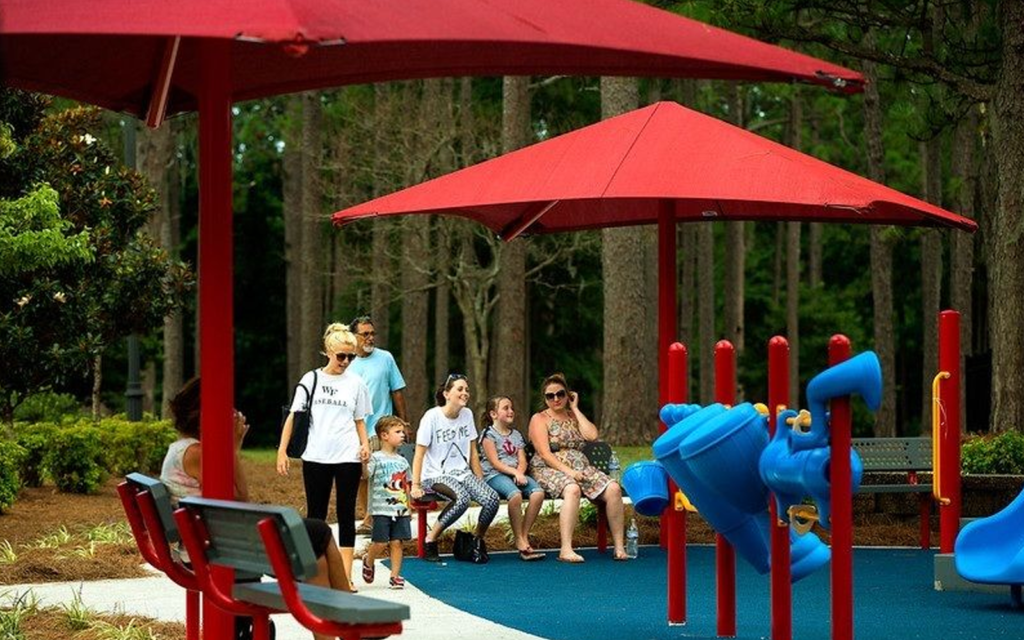
Shaded Quiet Zone with Bench and Soft Blocks
Function:
A shaded quiet zone provides a break from overstimulating play areas. Featuring soft mats, seating, and manipulatives like foam blocks or soft puzzles, this area offers children a calm space to reset, reflect, or engage in independent play.
Layout Suggestion:
Place the quiet zone at the playground’s edge or behind a natural screen, such as shrubs or a low partition. Include shade structures like canopies or pergolas to protect children from direct sunlight. Add benches for caregivers and soft floor coverings to encourage sitting or reclining.
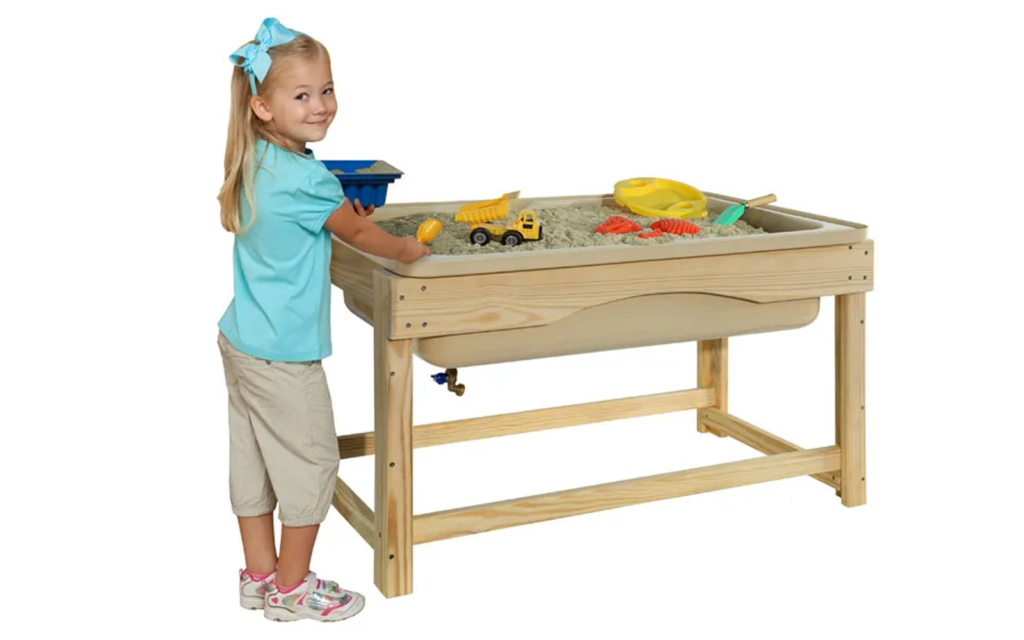
Accessible Sand or Water Play Tables
Function:
Sand and water play tables encourage sensory exploration, motor skill development, and early scientific thinking. When designed with accessible height and clear legroom, they become inclusive tools for standing and seated children, including those using wheelchairs.
Layout Suggestion:
Position these tables near a water source and drainage outlet, ideally near other sensory-focused features. Include multiple height levels or adjustable tables to cater to various needs. Ensure the ground surface is slip-resistant and easy to clean.
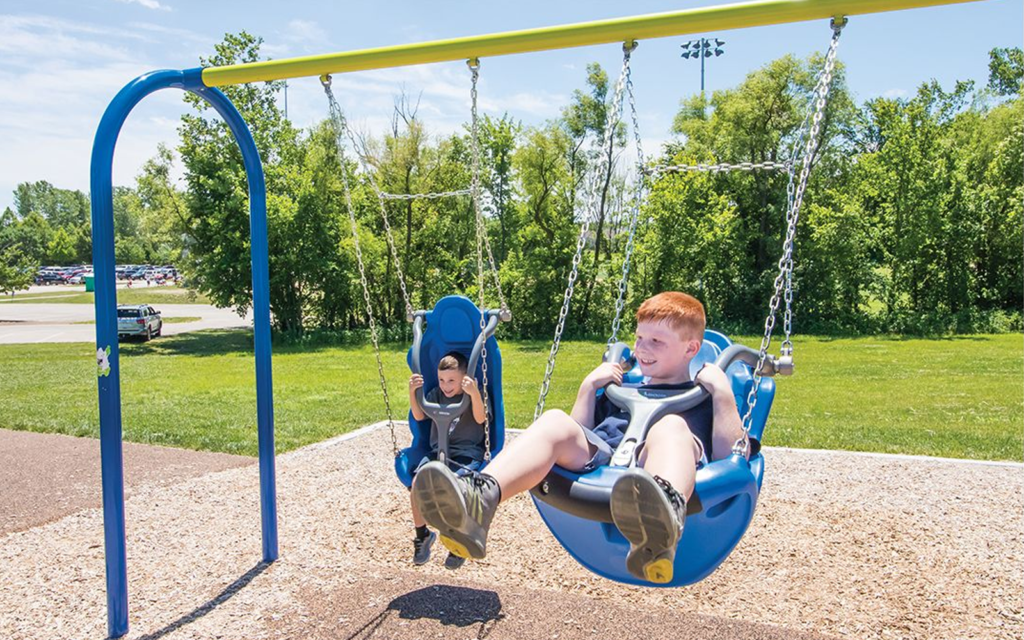
Inclusive Swing Set with Adaptive Seats
Function:
Swing sets designed for inclusivity feature a mix of standard and adaptive seats, including bucket-style seats with harnesses, high-back support, and safety bars. These accommodate children with low muscle tone, limited trunk control, or balance challenges.
Layout Suggestion:
Place swing sets away from high-traffic paths, ensuring enough clearance around the structure for safety. Use shock-absorbing surface materials and install swings at different heights to accommodate varied needs. Position adaptive swings near standard ones to allow side-by-side interaction.
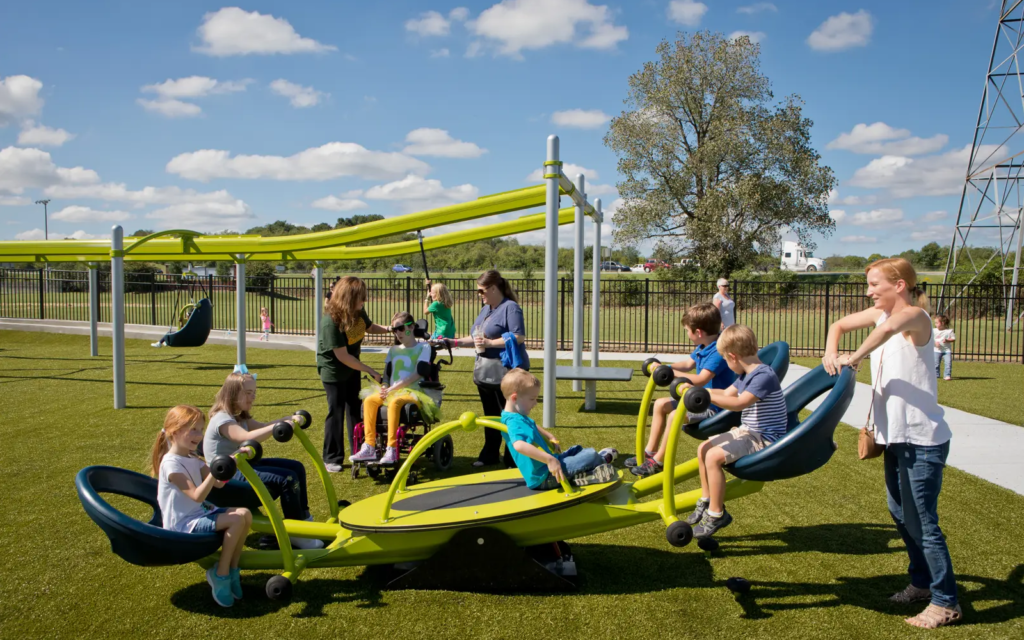
Multi-User Seesaw with Accessible Transfer Seating
Function:
A multi-user seesaw with accessible transfer seating is designed to accommodate children of varying abilities. Unlike traditional seesaws, this model features molded seats with back support, hand grips, and lowered platforms that allow children using mobility aids to transfer on and off easily. Some models include spring assistance to reduce the physical effort needed to move the equipment, making it usable even by children with low muscle tone.
Layout Suggestion:
Position the seesaw in a semi-open space where children have room to approach from multiple angles. Ensure the surfacing around the area is impact-absorbing and smooth for mobility device access. Ideally, place it near other cooperative play elements to support social interaction. Include nearby seating for caregivers to assist if needed.
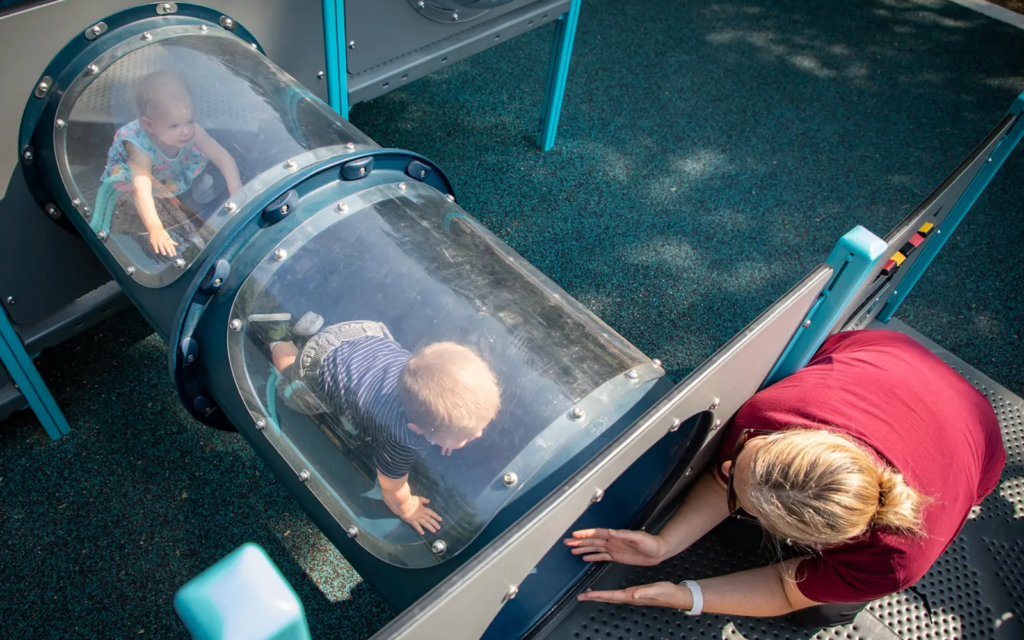
Crawl Tunnels with Clear Panels and Wide Openings
Function:
Crawl tunnels are low-profile structures that support gross motor development, spatial awareness, and imaginative play. When designed with clear panels, wide entrances, and soft interior surfaces, these tunnels become fully inclusive, even for children with physical limitations or anxiety disorders. Transparent elements allow visibility for supervision and help children feel safe while exploring enclosed spaces.
Layout Suggestion:
Integrate crawl tunnels at ground level along the perimeter of active play zones or within quiet play areas. Avoid placing them near slides or swings to prevent sensory overload. Position the tunnel entrance at grade level and ensure the surface inside and outside is cushioned and slip-resistant. Choose materials that are easy to clean and weather-resistant for long-term durability.
Mistakes to Avoid When Choosing Inclusive Playground Equipment
Choosing inclusive playground equipment for a kindergarten is a long-term investment, both in financial and developmental terms. When done thoughtfully, the outcome can transform the school environment, create an inclusive culture, and directly support a child’s early learning experience.
Choosing Only by Looks, Not Function
One of the most frequent mistakes is selecting playground equipment based solely on aesthetics. Bright colors, themed designs, and modern shapes can appeal in brochures or trade show exhibits. However, visual appeal should never be prioritized over usability, accessibility, and developmental appropriateness.
A playground that looks exciting but lacks sensory variety, ground-level access, or physical support features may exclude many children from participating. For example, a tall spiral slide may look impressive, but if it’s only accessible via stairs, children with mobility issues or low motor skills are immediately excluded. Likewise, choosing overly complex climbing structures may alienate younger children or those with coordination challenges.
Overcomplicating the Layout
Inclusive playgrounds should not be confusing, crowded, or overstimulating. Yet in the attempt to “maximize” space or add every type of equipment, some schools create overly complex layouts that overwhelm children and complicate supervision.
A common mistake is placing too many varied features close together without considering flow, transitions, or sensory regulation. For example, a noisy spinner beside a quiet sensory wall can be disruptive to children with auditory sensitivities. Similarly, placing highly physical equipment next to calm zones may cause unintended behavioral clashes among children with different activity preferences.
Overlooking the Importance of Inclusive Surfacing
Many kindergartens focus heavily on playground structures but neglect the surfacing beneath them. Without inclusive surfacing, even the best-designed equipment becomes inaccessible to children using wheelchairs, walkers, or with balance issues. Loose materials like gravel or sand can trap wheels or cause slips, limiting participation and increasing risk.
Instead, kindergartens should choose firm, stable surfaces such as poured-in-place rubber, bonded mulch, or synthetic turf. These options provide traction, cushioning, and consistent movement support for children of all abilities. More importantly, they allow safe, smooth access across the play area.
Failing to Plan for Growth and Flexibility
Playground needs don’t stay the same. Many kindergartens make the mistake of designing inclusive play areas for current needs only, without allowing room to expand or adapt in the future. This can lead to costly renovations when enrollment increases, age ranges change, or new educational programs are introduced.
Modular equipment systems solve this problem. They allow schools to add, rearrange, or upgrade equipment without starting over. Leaving open space or infrastructure for future features ensures long-term flexibility. It also makes compliance with evolving safety or accessibility standards easier.
Inclusive playground equipment should grow with your kindergarten. Planning for flexibility from day one ensures that your investment stays relevant, functional, and supportive of all children now and in the years to come.

Conclusione
Inclusive playground equipment is more than a design choice—it’s a commitment to equity, development, and the well-being of every child. For kindergartens, investing in inclusivity means creating an environment where all children, regardless of ability, can explore, grow, and connect through play. From selecting age-appropriate, safe materials to designing with flexibility, sensory needs, and accessibility in mind, every decision shapes how inclusive your space truly is. By avoiding common planning mistakes and following expert-backed strategies, kindergartens can build playgrounds that don’t just meet standards—they set new ones for meaningful, inclusive early childhood education.





 IT
IT  EN
EN  AR
AR  FR
FR  DE
DE  ES
ES  TH
TH  JA
JA  TR
TR