Desarrollado por Equipo de expertos Producto de calidad Servicio mundial

Blog

Explore lo último en educación preescolar, diseños innovadores de aulas y mobiliario y juguetes de la máxima calidad con TOP Montessoris.

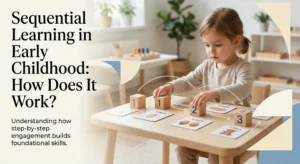
Sequential Learning in Early Childhood How Does It Work
Guía de educación infantil

Sequential Learning in Early Childhood: How Does It Work?

Sequential learning helps children develop knowledge through clear, logical steps. This guide explores why step-by-step learning matters in early childhood and shares practical ways parents and educators can support sequencing skills through everyday routines, classroom environments, and hands-on preschool activities.
Read More »
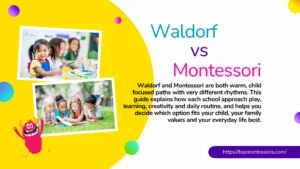
Waldorf vs Montessori Which School Style Fits Your Family Best
Guía de educación infantil

Waldorf vs Montessori: Which School Style Fits Your Family Best?

Waldorf vs. Montessori: Which path fits your family? This guide breaks down the fundamental conflict between Montessori’s reality-based, independent learning and Waldorf’s imagination-driven, artistic approach. Compare their distinct views on early academics, play, and classroom environments to make an informed choice.

Read More »
Understanding Co-Teaching Models in Early Childhood Education
Guía de educación infantil

Understanding Co-Teaching Models in Early Childhood Education

This article explores the concept and implementation of Co-Teaching Models in early childhood education. It explains different collaborative teaching approaches, their benefits, strategies, teacher roles, challenges, and how effective teamwork creates inclusive, engaging preschool classrooms for all learners.

Read More »
Differences Between Traditional vs Montessori Education
Guía de educación infantil

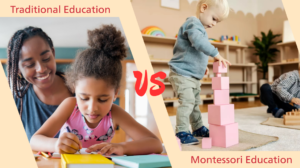
Differences Between Traditional vs Montessori Education

This article offers a detailed comparison of Traditional vs Montessori Education, covering classroom environments, teaching methods, learning styles, and developmental outcomes. Parents and educators will gain insights into the advantages and limitations of each model, helping them make informed decisions tailored to children’s unique needs.

Read More »
What is Social Emotional Learning (SEL)
Guía de educación infantil

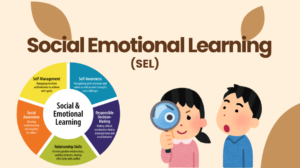
What is Social Emotional Learning (SEL)?

Social Emotional Learning (SEL) helps children develop skills like empathy, self-awareness, and responsible decision-making. This guide explains what SEL is, why it matters in schools and homes, and clears up common misunderstandings. Plus, we answer key questions—when SEL began in schools, what strategies teachers use, and how a social-emotional curriculum benefits every child.

Read More »
15 Tips for a Gentle Daycare Transition
Guía de educación infantil

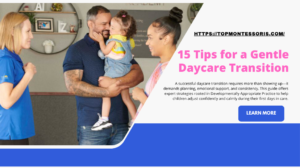
15 Tips for a Gentle Daycare Transition

A successful daycare transition requires more than showing up—it demands planning, emotional support, and consistency. This guide offers expert strategies rooted in Developmentally Appropriate Practice to help children adjust confidently and calmly during their first days in care.

Read More »
What is Cooperative Play Definition, Benefits, and Why It Matters
Guía de educación infantil

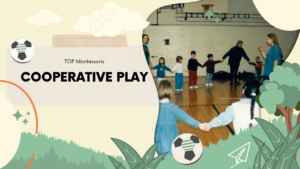
What is Cooperative Play? Definition, Benefits, and Why It Matters

This article provides a comprehensive guide to cooperative play, including its definition, developmental age, benefits, and preschool examples. It also shares some proven activity ideas, strategies to overcome common challenges, and explains how well-designed preschool furniture can support children’s social growth and collaboration.

Read More »
The Science of Play Based Learning and Brain Development
Guía de educación infantil

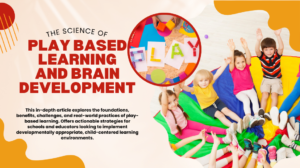
The Science of Play Based Learning and Brain Development

This in-depth article explores the foundations, benefits, challenges, and real-world practices of play-based learning. It addresses misconceptions, profiles key educational theorists, compares traditional vs. play-based models, and offers actionable strategies for schools and educators looking to implement developmentally appropriate, child-centered learning environments.

Read More »
La importancia de las prácticas apropiadas para el desarrollo en la educación preescolar
Guía de educación infantil

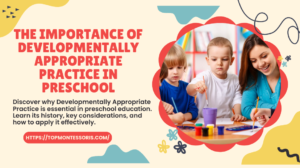
La importancia de las prácticas apropiadas para el desarrollo en la educación preescolar

Developmentally appropriate practice (DAP) is a responsive, research-based approach that aligns teaching with children’s developmental stages, individual strengths, and cultural contexts.
By creating nurturing, inclusive environments, educators foster children’s cognitive, emotional, physical, and social growth. DAP empowers children to explore, persist, collaborate, and thrive, laying a strong foundation for lifelong learning and success.

Read More »
es_ESES
Powered by TranslatePress
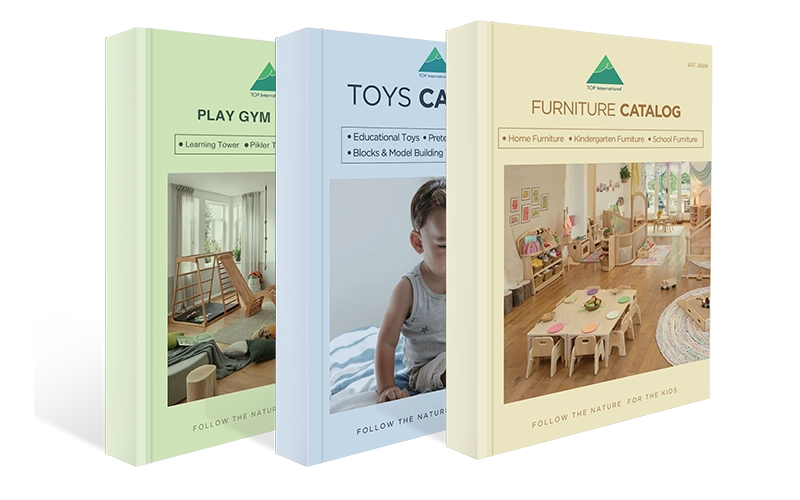
TOP Montessoris-Catálogo de mobiliario para aulas

Claim Free Catalog & Layout Plan

Receive a free catalog and custom layout to help you design your ideal classroom easily.