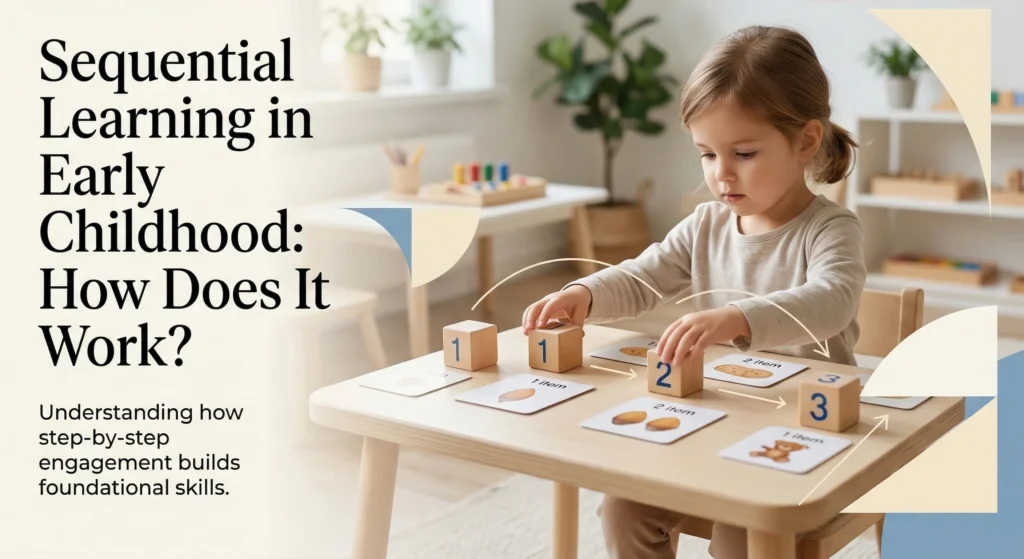
Sequential learning is a step-by-step approach that helps children build knowledge and skills in a logical order. Instead of introducing complex ideas all at once, it starts with foundational skills and gradually adds new layers of learning. In early childhood, this matters because young children do not learn randomly. Research on how children’s brain development builds over time shows that learning happens through connected stages.
Because of this developmental pattern, the order in which children encounter new ideas and experiences plays an important role in how well they understand and remember them. When learning follows a clear sequence, children can build confidence, make stronger connections between concepts, and gradually develop more complex skills. Understanding how sequential learning works can help parents and educators create environments and activities that support children’s natural learning process.
Prerequisite Skills for Sequential Learning
Before children can put events in order, retell a story, or follow multi-step activities, they need several foundational skills in place. These prerequisite abilities help children understand sequence more clearly and respond with greater confidence. Early childhood development is interconnected, which is why sequencing often depends on language, attention, memory, and visual understanding working together.
- Basic sequencing language
Children need to understand words such as first, next, then, و last before they can describe events in order. - Attention and listening
Sequencing tasks often require children to listen, stay focused, and follow what happens step by step. Executive function skills such as working memory and attention also support this process. - Visual discrimination
Children need to notice differences between pictures, objects, or stages, such as a seed, a sprout, and a growing plant. - Memory for events and steps
To sequence successfully, children need to remember what happened and hold that information long enough to organize it in order. Working memory is one of the core skills that supports this kind of learning. - Expressive language
Some children understand the correct order but still struggle to explain it. Oral language development helps children describe actions, retell stories, and express sequence more clearly. - Cause-and-effect understanding
Sequencing becomes easier when children begin to understand that one action leads to another, such as watering a seed before it grows.
Benefits and Real-Life Examples of Sequential Learning
Sequential learning helps young children grow by introducing new skills in a logical order. Instead of asking children to manage too much at once, it gives them a clear path from simple understanding to more complex learning. This approach supports comprehension, reduces frustration, and helps children feel more successful as they move from one stage to the next.
Builds Strong Foundations for Future Learning
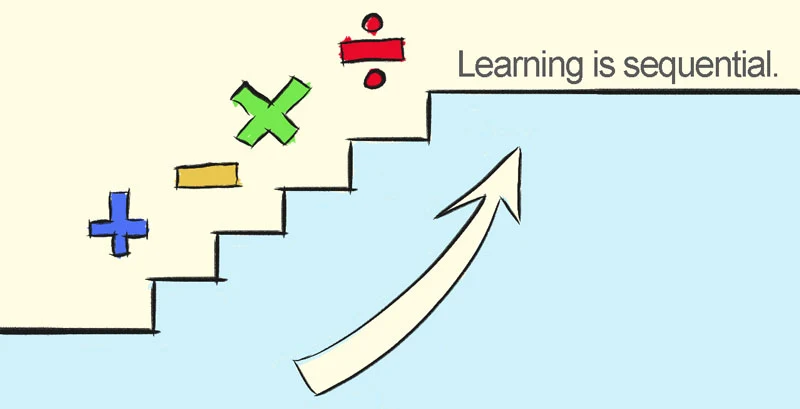
One of the greatest benefits of sequential learning is that it builds strong foundations for later success. Young children learn best when early skills are secure before new challenges are introduced. In literacy, children usually recognize sounds before reading words, and in math, they often count real objects before working with written numbers. When these foundational steps are taught in sequence, children are better prepared for more advanced learning.
Improves Understanding and Problem-Solving
Sequential learning also improves understanding by helping children see how ideas, actions, and events connect. When children learn that one step leads to another, they become better at following directions, solving simple problems, and organizing their thoughts. For example, a child who can explain the order of a story or the steps in an activity is also practicing memory, reasoning, and comprehension in a meaningful way.
Appears in Everyday Routines and Activities
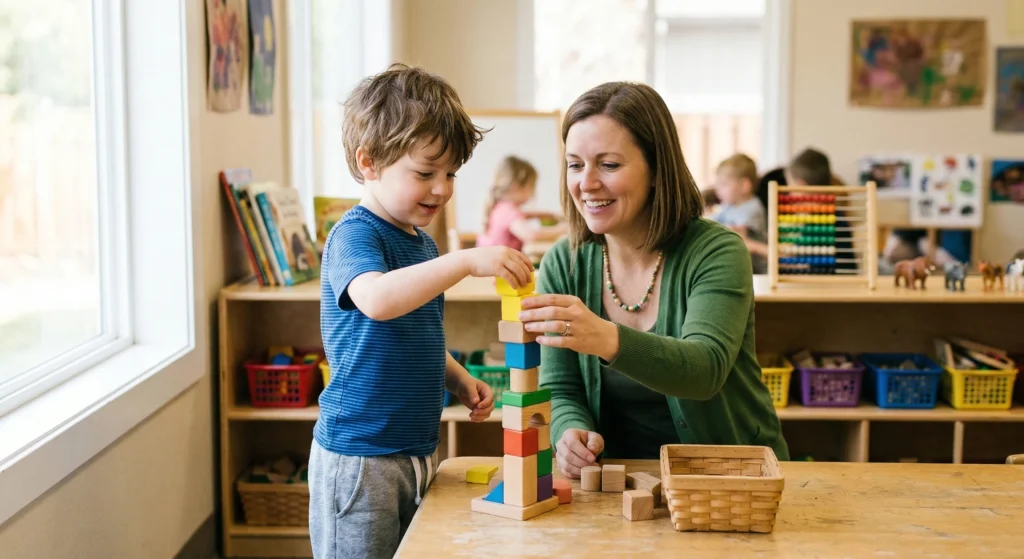
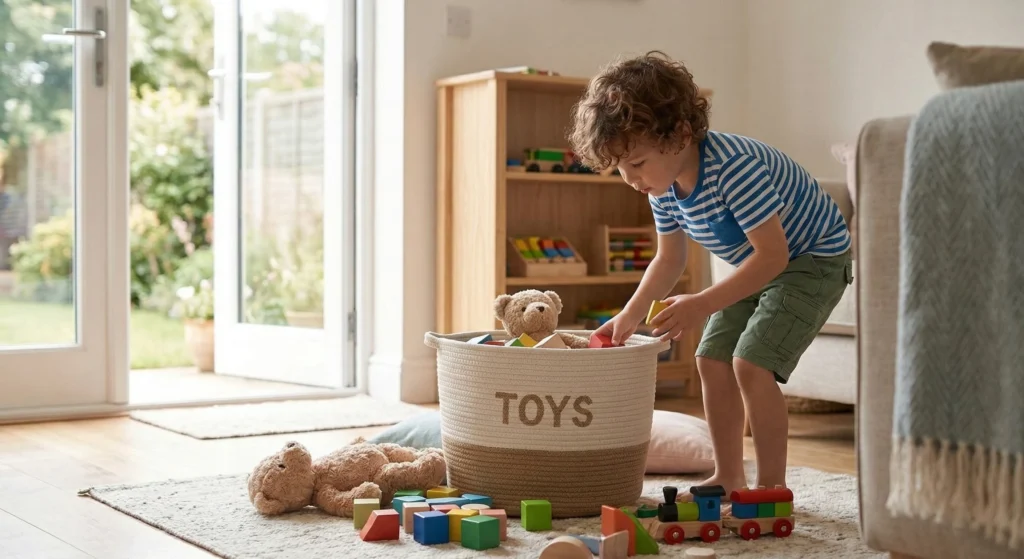
Sequential learning is easy to see in daily life because many common routines depend on order. Children use sequencing when they get dressed, wash their hands, clean up toys, or prepare for bedtime. They also use it in hands-on activities such as cooking, where each step must happen in the right order. These everyday experiences make sequential learning practical, familiar, and easy to reinforce both at home and in the classroom.
Supports Learning Across Multiple Subjects
Another key benefit is that sequential learning supports development across many subject areas rather than in just one skill. In reading, children learn to follow stories from beginning to end. In science, they may explore life cycles or simple processes in sequence. In communication, they learn to describe what happened first, next, and last. Because it connects so naturally to literacy, math, science, and daily functioning, sequential learning becomes a powerful foundation for broader child development.
How the Physical Environment Supports Sequential Learning
Sequential learning is not only influenced by how adults teach but also by the physical environment where children play and learn. A well-organized space can naturally encourage children to think in structured and logical ways. When materials, routines, and spaces are arranged thoughtfully, children can more easily understand the order of actions and develop stronger sequencing skills.
Organized Layouts
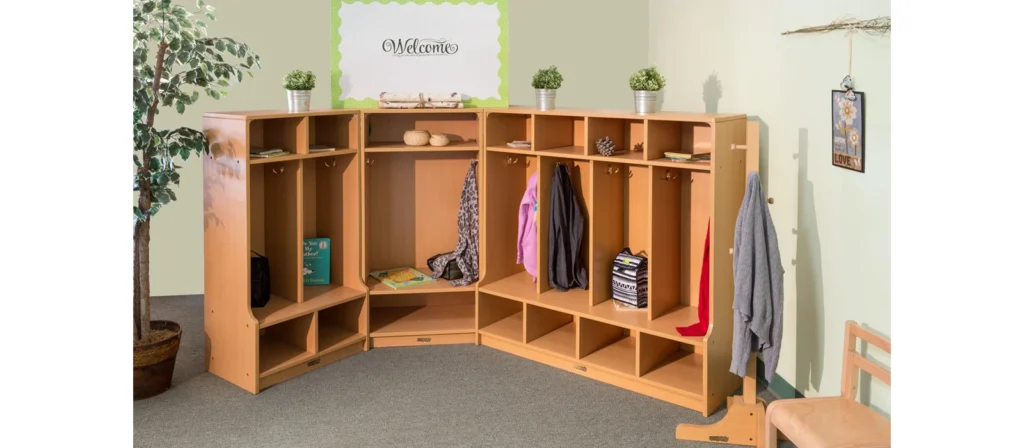
A thoughtfully organized classroom or playroom can help children understand how activities should flow. When different areas of a space are clearly arranged for specific purposes—such as reading, building, or art—children naturally learn how to move through activities in a logical order. For example, they may take materials from a shelf, use them at a table, and then return them after finishing. This simple structure reinforces the idea that actions happen in sequence.

Accessible Storage
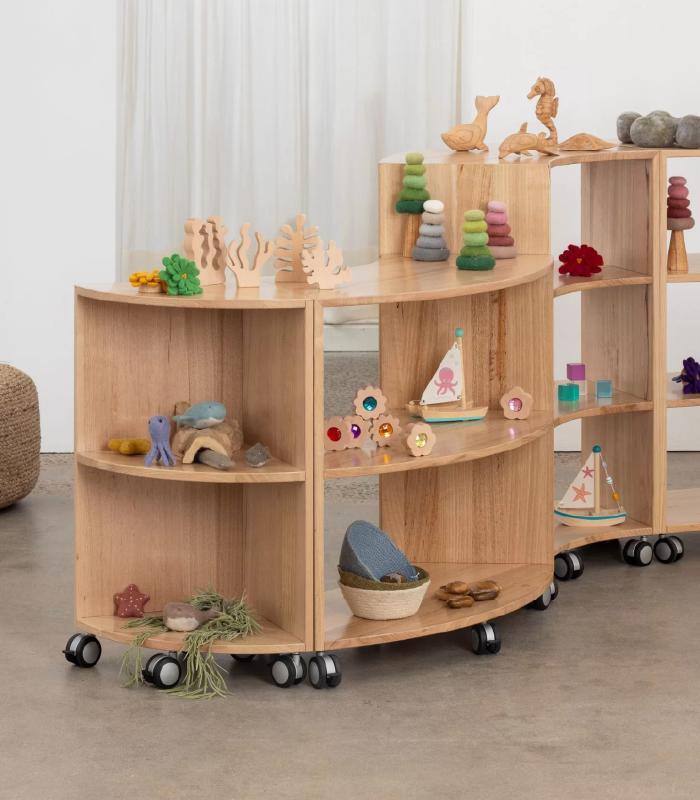
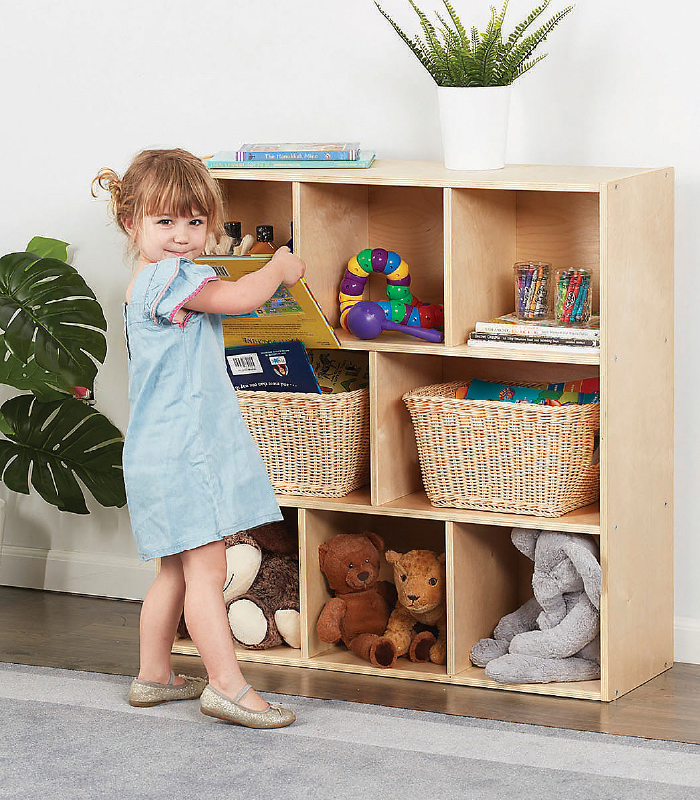
Accessible storage also supports sequential learning by making materials easy to see and reach. Low, open shelves allow children to independently choose and return items, which encourages them to follow a natural step-by-step process during play. In many learning environments, materials are arranged from simpler to more complex, helping children visually recognize progression and gradually challenge themselves with new tasks.
Clear Visual Cues
Visual cues can further strengthen children’s understanding of sequence in the learning environment. Labels with pictures, symbols, or color-coded bins help children recognize where items belong and in what order tasks should be completed. For example, picture labels showing where toys should be placed can guide children through the clean-up process. When the environment is visually clear and organized, children can focus more easily on following steps and completing activities in order.
Sequential Learning Activities for Preschoolers
Preschoolers learn best when sequencing is practiced through play, movement, conversation, and familiar routines. The goal is not simply to make children memorize an order, but to help them understand how steps, events, and ideas connect. Simple, hands-on activities can make sequential learning more concrete and enjoyable while supporting language, attention, and problem-solving at the same time.
Picture Sequencing
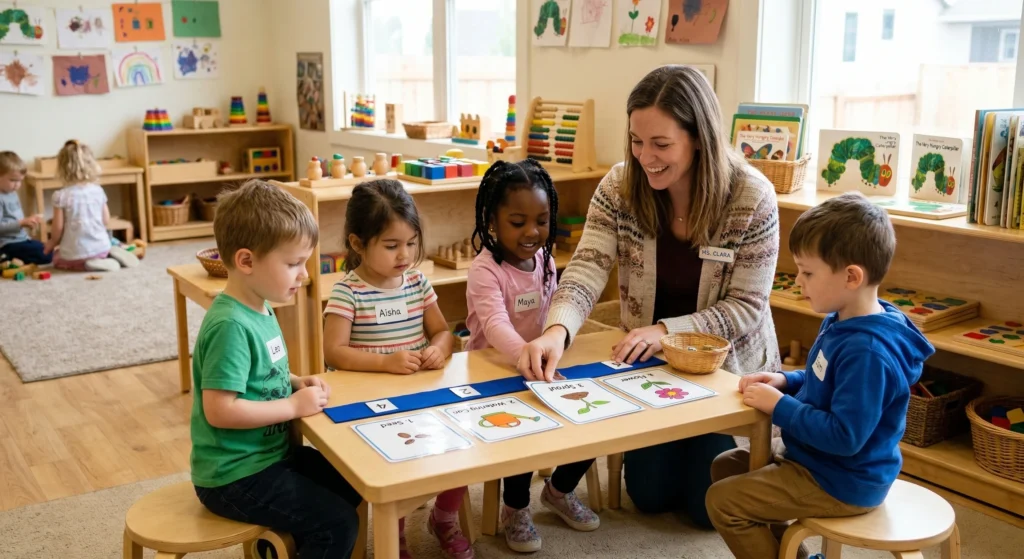
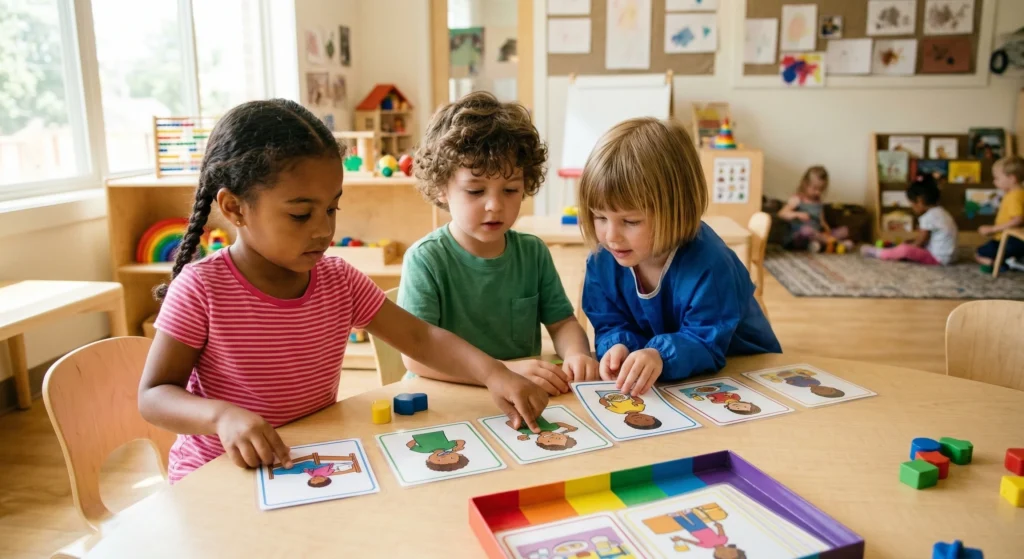
Picture sequencing is a simple activity that helps children arrange events in logical order. Adults can give children two to four picture cards showing a familiar process, such as planting a seed, washing hands, or getting ready for bed, and ask them to place the cards in the correct sequence. This activity helps children practice visual reasoning, story order, and sequencing language in a way that feels clear and manageable.
Story Retelling
Story retelling is another effective activity because it asks children to remember and organize events from a story they have heard. After reading a short book, a parent or teacher can ask questions such as “What happened first?” or “What happened at the end?” As children retell the story in their own words, they strengthen comprehension, memory, and verbal sequencing skills.
Routine-Based Sequencing
Daily routines provide natural opportunities for sequential learning because they already involve repeated steps. Children can talk through the order of getting dressed, packing a school bag, or cleaning up after play. When adults use phrases like first, next, then, and last during these routines, children begin to connect sequencing language with real-life actions and become more confident in following multi-step processes.
Cooking and Step-by-Step Tasks
Cooking and other step-by-step tasks are especially useful because children can see how one action leads to the next. Making a sandwich, mixing ingredients, or assembling a simple craft all require children to follow an order to complete the task successfully. These experiences make sequencing meaningful because the result depends on understanding and following the correct steps.
Planting and Observing a Seed
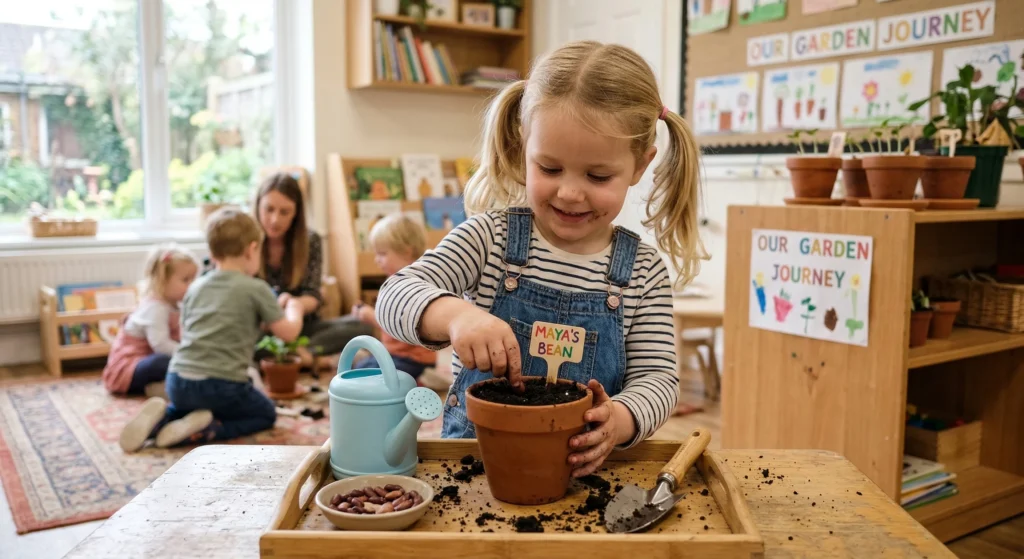
Growing a plant is a wonderful way to connect sequential learning with nature and science. Children can plant a bean and observe its growth over several days. By encouraging them to sketch or describe the changes, from a simple seed to a small sprout and eventually a young potted plant, they learn to track chronological order and understand biological sequences over time.
“What Comes First?” Concept Matching
This activity helps children understand the logical sequence of cause and effect. Adults can provide pairs of related cards or objects and ask the child to identify the correct order. For example, a seed comes before a plant, blank paper and crayons come before a drawing, and raw ingredients come before a finished meal. This builds logical reasoning and helps children see how an initial state leads to a final result.
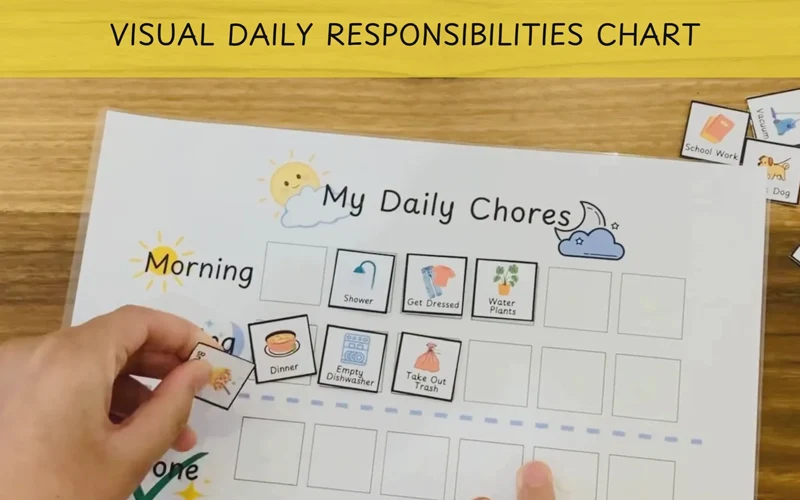
Visual Checklists for Projects and Chores
Creating a numbered, visual checklist for a multi-step project (like building a block structure or completing weekend chores) adds a physical action to sequencing. As children finish each step in the correct order, they can check it off the list. This hands-on tracking helps them understand that complex tasks are just a series of smaller, sequential steps, fostering both logical thinking and independence.
Tips for Teaching Sequential Learning at Home and in the Classroom
Supporting sequential learning does not require complicated lessons or special materials. In many cases, the most effective strategies come from everyday interactions, routines, and conversations. When parents and teachers intentionally guide children through step-by-step processes, they help children understand how actions and ideas connect in a logical order.
Use Clear Sequencing Language
One simple way to strengthen sequential learning is by using clear sequencing words during daily conversations. Words such as first, next, then, after that, and finally help children recognize the order of events and actions. When adults regularly use this language while explaining tasks or discussing stories, children begin to understand how sequences work and can gradually use the same words in their own speech.

Break Tasks into Manageable Steps
Young children can feel overwhelmed when a task has too many instructions at once. Breaking activities into smaller, manageable steps helps them focus on one part at a time. For example, instead of giving several directions at once, an adult might guide a child through a process step by step, checking understanding before moving on to the next stage. This approach supports both learning and confidence.
Encourage Children to Explain Their Thinking
Asking children to describe how they completed a task can reinforce sequential thinking. After finishing an activity, adults can invite children to explain the process by asking questions such as “How did you do that?” or “What did you do first?” When children talk through the steps in their own words, they strengthen memory, reasoning, and communication skills.
Provide Repeated Practice Through Play and Routine
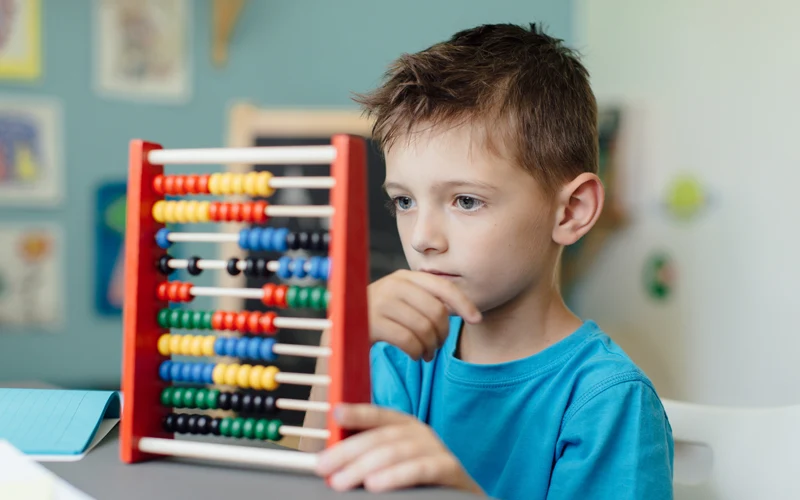
Sequential learning develops gradually, which means children benefit from repeated practice across different situations. Storytelling, games, daily routines, and hands-on activities all provide opportunities to practice sequencing. When children regularly encounter tasks that require understanding order and steps, sequential thinking becomes a natural part of how they learn and interact with the world.
خاتمة
For parents and educators, the key is to create learning experiences that move gradually from simple to more advanced ideas. By guiding children through logical sequences and encouraging them to explain steps and events, adults can help young learners develop stronger thinking skills and a more secure foundation for future learning. When children experience learning in clear, manageable steps, they are more likely to stay engaged, build confidence, and develop the curiosity needed to explore new ideas.
في أفضل مدارس مونتيسوري, we believe that a well-prepared learning environment and thoughtfully designed Montessori materials can support this natural progression. By offering hands-on tools that encourage exploration and step-by-step discovery, we aim to help children strengthen their sequential thinking skills while developing independence and a lifelong love of learning.
الأسئلة الشائعة
At what age do children start developing sequencing skills?
Children begin developing basic sequencing skills in the toddler years, often around 18–24 months. At this stage, they start recognizing simple routines and patterns, such as knowing what comes next during daily activities. As children grow into the preschool years, they become better at arranging events in order, retelling stories, and following multi-step instructions.
What are common signs that a child struggles with sequencing?
Children who struggle with sequencing may find it difficult to follow multi-step directions, retell stories in the correct order, or complete tasks with several steps. They might also skip important steps in routines or have trouble explaining what happened during an activity. With practice and supportive guidance, these skills can gradually improve.
How can parents practice sequencing skills at home?
Parents can support sequencing skills through simple everyday activities. Asking children to describe their day, helping them explain the steps of a task, reading stories together, and discussing what happened first and last are all effective ways to strengthen sequential thinking. Daily routines such as getting ready for school or preparing a snack can also provide natural opportunities for practicing sequence.





 AR
AR  EN
EN  FR
FR  IT
IT  DE
DE  ES
ES  TH
TH  JA
JA  TR
TR