
During free play, some children prefer to watch their classmates rather than join an activity. This is known as onlooker play, a natural part of early childhood development. This guide explains its role in children’s social development, how it differs from parallel play, how teachers can support it, and when closer attention may be needed.
What Is Onlooker Play?
Onlooker play is a type of play in which children watch others participate in an activity without joining them. They may stand nearby, observe what their classmates are doing, or occasionally ask questions and make comments, but they do not take an active role in the activity.
Onlooker play is the third of the six stages of play identified by developmental psychologist Mildred Parten. It falls between solitary play and parallel play in her classification of children’s social play development. During this stage, children begin to show interest in their peers’ activities while remaining observers rather than active participants.
How Does Onlooker Play Support Children’s Social Development?
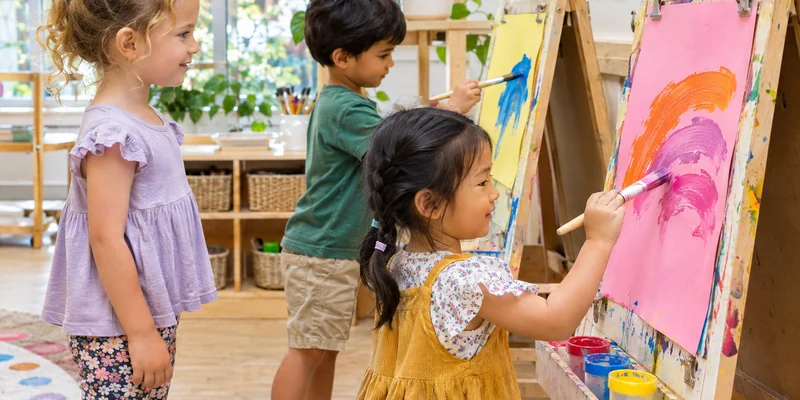
Onlooker play gives children time to understand the social world around them without the pressure of joining an activity. By watching their classmates, children can become familiar with how people interact, express feelings, communicate, and work together. These experiences help them build social awareness and prepare for future interactions with others.
Understanding How Social Interactions Work
Children learn that social interactions involve more than simply being around other people. They begin to notice how one person’s actions can influence another person’s response. For example, when watching a pretend shop activity, a child may see one classmate offer an item, another accept it, and the two continue playing together. Observing these exchanges helps children understand how interactions begin, develop, and continue.
Recognizing Emotions and Nonverbal Cues
Not all communication happens through words. Children also use facial expressions, gestures, body movements, and tone of voice to show how they feel. When observing their classmates, children may notice that a smile often accompanies an enjoyable experience or that someone steps away when they need more space. Paying attention to these signals helps children become more aware of other people’s feelings and reactions.
Expanding Language and Communication Skills
Listening to classmates during play exposes children to words and expressions used in everyday social situations. They may hear others ask for materials, describe what they are making, or invite someone to join an activity. These conversations give children examples of how language can be used to express needs and ideas. When they feel ready to participate, they may begin using similar expressions in their own interactions.
Understanding Group Expectations and Cooperation
Group activities often involve shared rules and responsibilities. By watching their classmates, children can learn how to take turns, share materials, and follow an agreed plan. For example, when several children build a block tower together, an observer may notice that each child adds a block without knocking down someone else’s work. Seeing how these small actions help a group complete an activity can make the expectations of cooperative play easier to understand.
How Is Onlooker Play Different From Parallel Play?
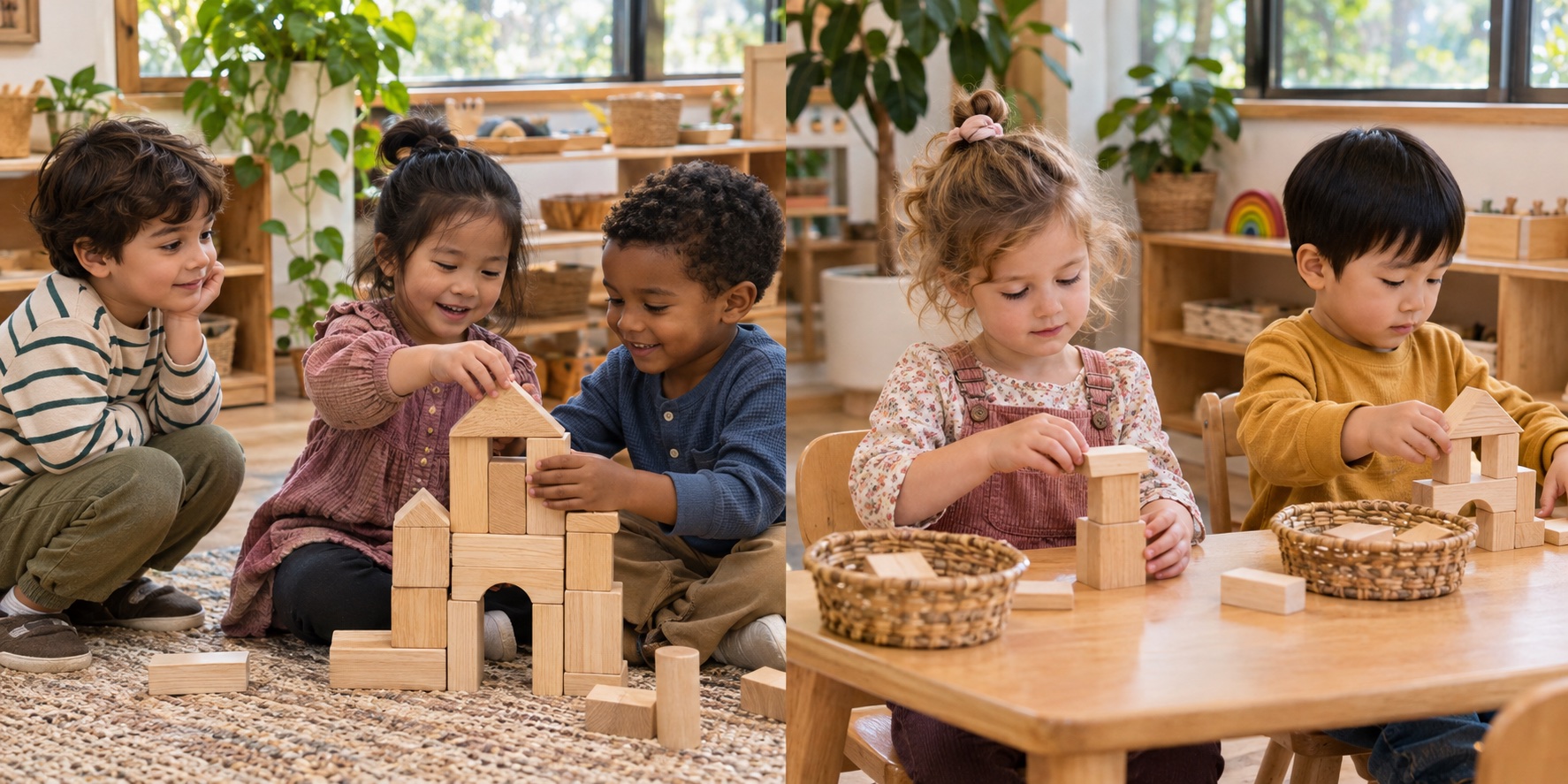
Onlooker play and parallel play both happen when children are around their classmates, but their activities are quite different. In onlooker play, children watch others without taking part in their games. In parallel play, they play independently near other children without organizing their activities around a shared goal.
| What to Compare | Onlooker Play | Parallel Play |
|---|---|---|
| Main Activity | Watches other children play | Plays independently alongside other children |
| Use of Materials | Does not use materials as a participant in the observed activity | Uses their own toys or materials for separate play |
| Attention | Focuses on what other children are doing | Focuses mainly on their own activity |
| Interaction with Peers | May ask questions or comment on the activity while watching | May imitate others or exchange a few words while continuing separate play |
| Shared Goal | Does not take part in the group’s activity or goal | Does not work with others toward a shared goal |
For example, in a block area, a child who watches classmates build a tower without touching the blocks is engaging in onlooker play. Another child sitting nearby and building a separate tower with their own blocks is engaging in parallel play. Although both children are playing near their peers, one is observing another group’s activity while the other is focused on their own play.
How Can Teachers Support Children During Onlooker Play?
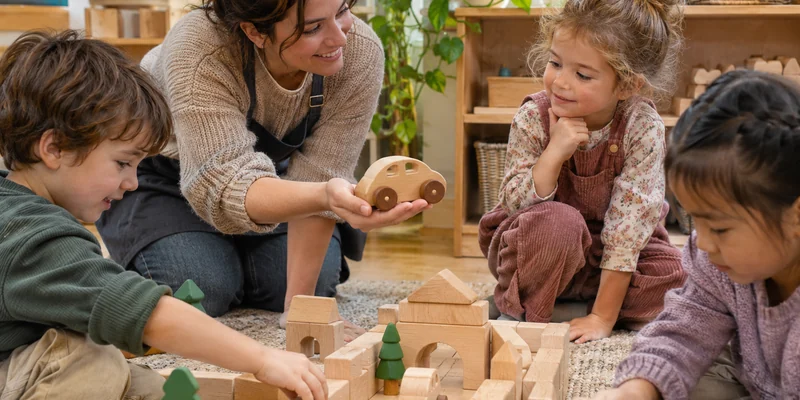
Teachers play an important role in helping children feel comfortable during onlooker play. Rather than encouraging every child to join a group immediately, they should observe the child’s interests and understand what may be influencing their decision to watch. Some children need more time to become familiar with an activity, while others may simply enjoy observing before choosing what to do next.
A supportive approach allows children to explore social activities at their own pace while making participation easier when they are ready. Teachers can achieve this by giving children time to observe, offering gentle invitations, organizing suitable group activities, and considering individual interests.
Allow Children Time to Observe
Some children need time to understand an activity before deciding whether to join. They may want to watch how classmates use materials, take turns, or organize a game. Teachers should give them enough time to observe without repeatedly asking them to participate. Paying attention to what catches a child’s interest can also help teachers understand which activities they may want to explore.
Teachers can stay nearby and observe how the child responds as the activity develops. For example, a child watching classmates build with wooden blocks may gradually move closer, follow how the structure takes shape, or ask questions about the materials. These behaviors can indicate growing interest. Instead of interrupting, teachers can wait for a natural opportunity to offer support.
Encourage Participation Without Pressure
When a child shows interest in joining a game, teachers can offer a simple way to get involved. Rather than saying “Go and play with them,” suggest a specific action that fits the ongoing activity. A clear and manageable invitation helps the child understand what they can do without feeling pressured to take part in the entire game.
For example, if several children are building a block tower, a teacher might invite the observer to bring some additional blocks or help find a suitable piece. Teachers can also ask the children who are already playing whether they have room for another participant. If the child declines the invitation, respect their decision and allow them to continue watching.
Create Opportunities for Small-Group Play
Large groups and complicated activities can sometimes make it difficult for children to find a role. Teachers can organize smaller group activities with fewer participants, simpler tasks, and enough materials for everyone. This gives children more opportunities to interact and makes it easier for those who are new to group play to understand what is happening.
The classroom environment also plays a role. Clearly defined activity areas, accessible shelves, and enough space around play areas allow children to observe activities without interrupting others. For example, placing building materials where children can easily reach them and leaving an open area beside the block center can make it easier for an observer to approach and eventually participate.
Respect Each Child’s Interests and Readiness
Not every child wants to participate in every activity, and their preferences may change from one day to another. Some children enjoy watching unfamiliar games but readily join activities they already know. Others may feel more comfortable playing with one classmate than joining a large group. Teachers should avoid treating onlooker play as a problem that every child needs to overcome.
Instead, consider each child’s interests, communication abilities, and previous experiences when planning activities. If a child regularly watches the same play area, teachers might introduce a smaller activity with familiar materials or invite one welcoming classmate to play alongside them. Observing how the child responds can help teachers decide what kind of support may be useful next time.
Why Do Some Children Prefer Onlooker Play?
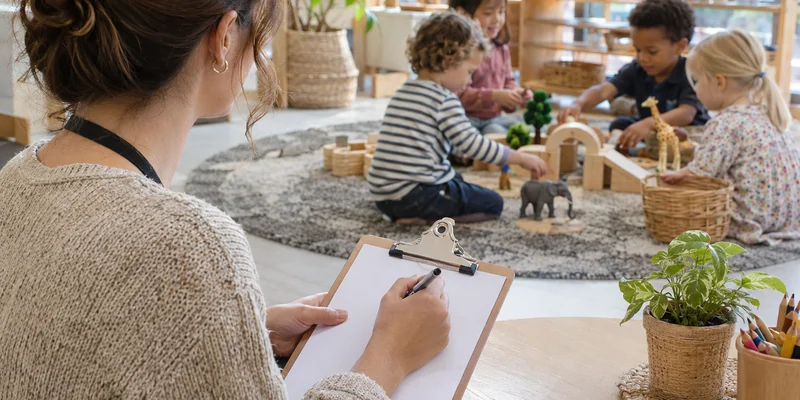
Children may prefer onlooker play for different reasons. Their decision can be influenced by their familiarity with an activity, personal interests, language abilities, and relationships with other children. Understanding these factors helps explain why some children choose to observe before taking part in group activities.
Familiarity with the Activity
Children may prefer to watch when they are unfamiliar with a game or do not understand how it works. Observing their classmates allows them to learn the basic rules, understand how materials are used, and become familiar with what other children are doing. Once they understand the activity better, they may feel more comfortable participating.
Individual Interests and Preferences
Every child has different interests and ways of exploring the world. Some children enjoy hands-on activities, while others prefer to observe what happens around them. A child may be interested in watching an activity without necessarily wanting to take part. This is a natural difference in how children approach play and should not automatically be seen as a lack of social interest.
Language and Communication Abilities
Children who are still developing their language skills may find it difficult to follow conversations or express their ideas during group activities. Watching other children gives them time to become familiar with common words, expressions, and ways of communicating. This can be particularly helpful for children who are learning a new classroom language.
Group Size and Social Dynamics
The size of a group and children’s relationships with their classmates can also influence their willingness to participate. Large groups may involve several conversations and different activities happening at once, making it harder for some children to find a place in the game. Children may also feel more comfortable observing unfamiliar peers before deciding whether to interact with them.
FAQs
1. At what age does onlooker play usually occur?
It is often noticed in the toddler years and can occur throughout preschool. A child’s prior experience, language, familiarity with the group, and the activity itself all matter. There is no age at which watching peers suddenly becomes inappropriate. Age alone is a poor reason to interrupt a child who is engaged and comfortable.
2. Is onlooker play considered real play?
Yes, when the child is actively following what others are doing. They may track a game, anticipate what happens next, or ask about a role without taking one. That is different from a child who happens to be near a game while waiting for something else. Teachers can describe the visible behavior and interest rather than require a child to hold a toy for the moment to count as play.
3. Does onlooker play mean a child is shy?
No. A child might watch because the game is new, the group already has a plan, they are learning the classroom language, or they simply prefer to observe that time. Shyness is a broader description of behavior across situations. One period of watching cannot establish a personality trait; compare how the child acts with familiar peers and in different activities.
4. Can onlooker play develop into cooperative play?
It can, but there is no required sequence or promise that it will happen in one session. A child may watch a group, play separately nearby, share a material, and later join a common plan. They may also watch and choose another activity. Cooperative play starts when children organize their actions around a shared idea or goal, not merely when an observer picks up a similar toy.
5. Should teachers encourage children to join group activities?
They should make group activities genuinely accessible and offer an invitation when a child shows interest. That means checking whether the group has a place for another child, whether the instructions or roles are understandable, and whether a different group size would help. Encouragement can be an invitation to try one concrete role; it should not become a demand that every child join every group activity.
Conclusion
Onlooker play helps children understand social interactions at their own pace. Creating a supportive learning environment gives them more opportunities to explore and connect with others. Top Montessoris can help you plan engaging classroom spaces with suitable Montessori furniture and learning resources to support children’s play and development.