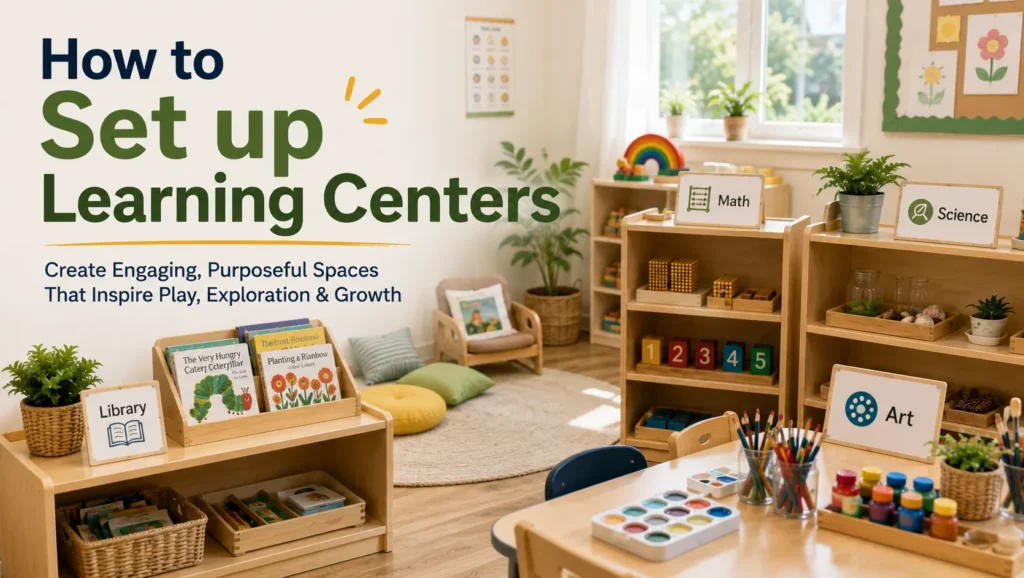
Set up Learning Centers by starting with the children, the classroom space, and the activities that happen each day—not by buying a full furniture set first. The right layout should give children enough room to move, keep materials easy to reach and return, and separate quiet and active areas without making the classroom feel crowded. This guide covers the full process, from measuring the room and choosing age-appropriate furniture to planning activity zones, organizing storage, adjusting the layout, and completing final safety checks.
What Is a Learning Center?
Setting up learning centers allows for clearer and more flexible classroom divisions. Drawing on Montessori and Reggio Emilia educational philosophies, it breaks away from traditional fixed-role models, giving children greater freedom. This design also facilitates space management and the orderly placement of teaching materials, allowing children to express their ideas more confidently over time.
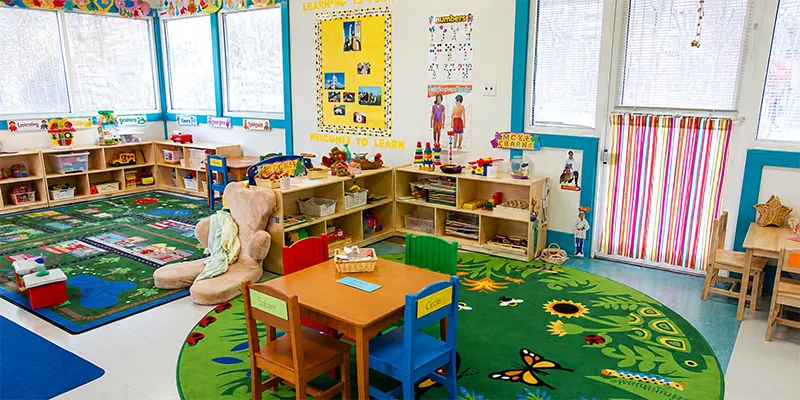
How to set up a Learning Center In a Classroom?
Determine Student Needs
Before planning the classroom layout or selecting furniture, be sure to take the time to understand the children’s true needs. You should consider factors such as their age, class size, daily routines, activity needs, and individual personality differences. These details will help you determine the required space size, height, and storage space for each area. A thorough understanding of their needs will make the classroom safer, more comfortable, and easier for you to manage.
Student Age
Before you choose furniture, check whether its size matches the children’s age group. You should select suitable desk and chair heights, reachable cabinet shelves, and low partitions that children can use safely and comfortably. Avoid buying one standard furniture set for every age group.

Learning Needs and Suitable Zones
When planning each learning area, don’t simply copy the classroom layout; instead, focus on the activities the children actually engage in. For example, a space frequently used for art activities needs an art area with display space, while a Montessori area requires low, neat shelves that are easy for children to access. Only add areas for daily life or role-playing if they align with your curriculum and the children’s needs. This maintains the classroom’s practicality, tidiness, and comfort.
Assess Classroom Space Size
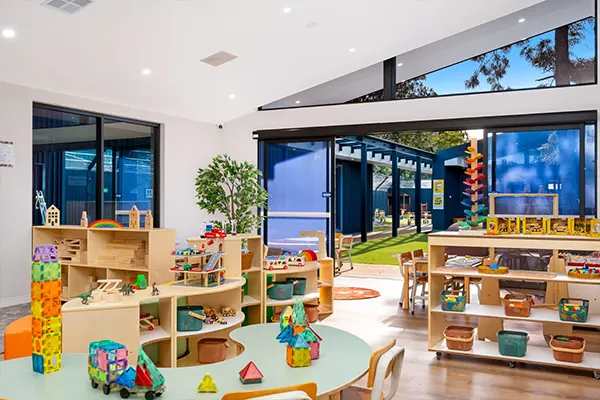
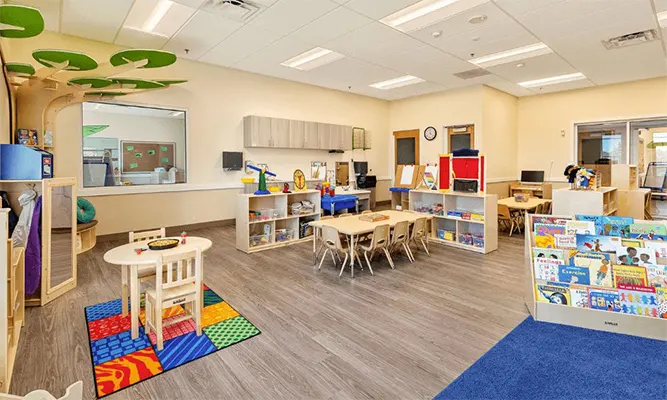
To Set up Learning Centers effectively, estimate each activity area based on class size, measure the room carefully, and keep aisles wide enough for daily movement and emergency evacuation. Also check natural light, water access, and ceiling height, placing water-based activities in bright areas near sinks.
What Materials Are Needed?
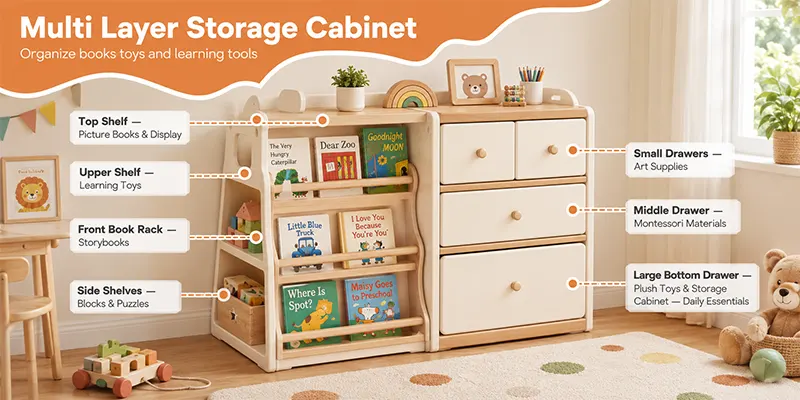
A complete set of tiered storage cabinets is key to keeping classrooms tidy and making full use of every space. Various picture books, craft tools, and activity materials can be neatly arranged in separate sections, making it easy for children to access and organize them. This also reduces clutter on the floor and frees up more play area.
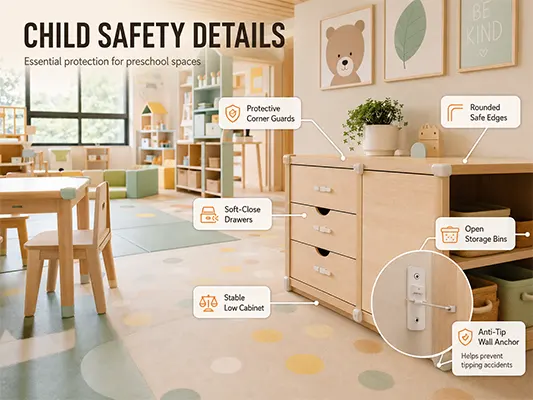
A complete set of safety protection accessories is essential for children’s spaces. Safety details cannot be omitted. It is necessary to prepare anti-collision corner protectors, cabinet fixing accessories, drawer buffers and other accessories in advance to avoid potential hazards such as bumps, pinching, and cabinet tipping from the source.
Draw a Simple Sketch.
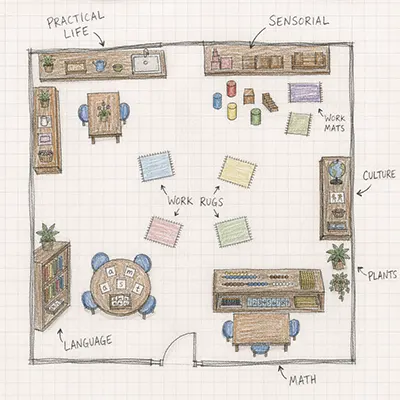
Once the space and materials are all prepared, you can start building the learning center. First, draw a rough floor plan of the classroom. You don’t need professional design drawings. Just draw the outline of the room on white paper and mark the locations of doors, windows, water sources, and lighting points. Mark the approximate locations of each activity area on paper in advance to avoid problems such as area conflicts and narrow passageways.
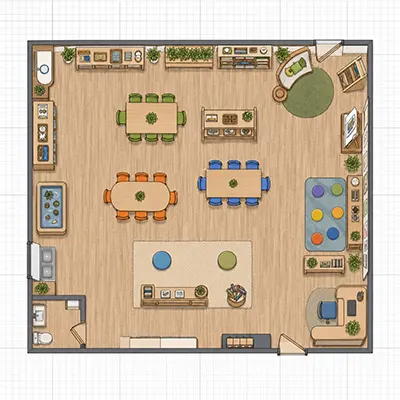
Arrange Furniture In An Orderly Manner
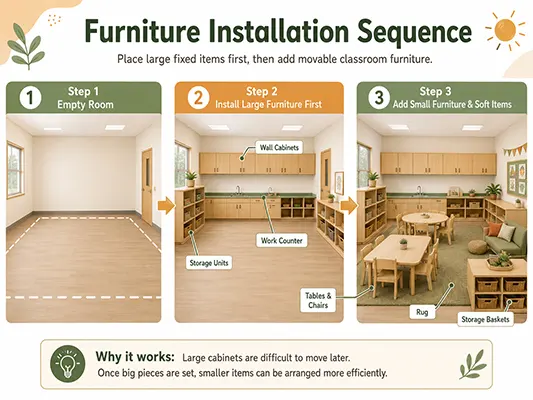
Follow a logical order for furniture placement: Arrange furniture from large to small, prioritizing large, fixed cabinets and workbenches against the wall, as these are difficult to reposition later. After all the large items are in place, place smaller tables, chairs, rugs, and storage baskets – lighter, softer furnishings.
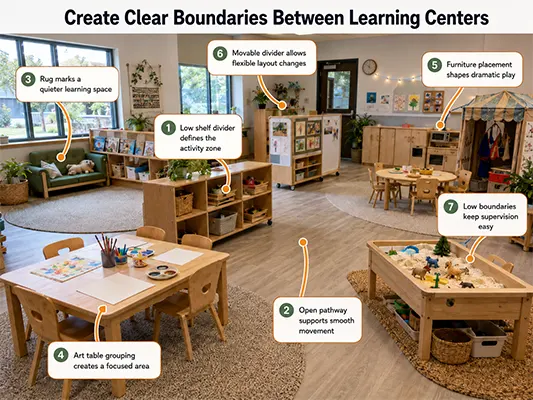
Divide Each Learning Center Clearly
You can use low shelves, rugs, or movable dividers to separate each area without making the classroom feel closed. Keep quiet areas away from noisy play zones, place art and sensory areas near water, and leave the main walkways clear. Choose low, movable furniture so you can see the children easily and adjust the layout when needed.
Allow flexible layout adjustments: Prioritize movable and modular furniture throughout. When updating the curriculum or moving to a different age group, there’s no need to replace all the furniture; simply moving partitions and tables and chairs allows for re-dividing areas to adapt to different teaching needs.
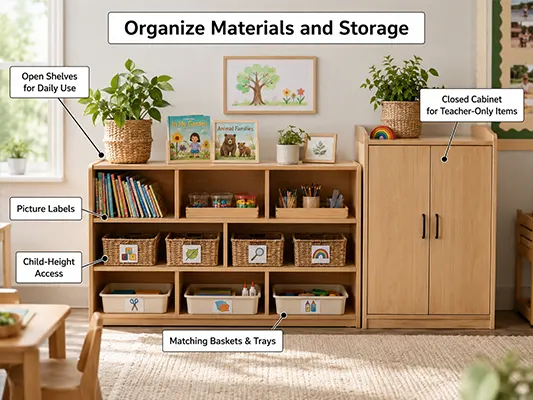
Organize Materials and Storage
Once each learning center is in place, organize materials by activity and keep the shelves simple. Put everyday items on low open shelves so children can see, reach, and return them by themselves. You can use picture labels and matching baskets to make cleanup easier. Keep fragile, less-used, or teacher-only supplies in closed cabinets, and avoid filling every shelf so the area stays neat and easy to manage.
Daily Cleaning and Reset
Once you have organized the storage, make cleaning part of each learning center routine. Use picture labels and low shelves so children can return materials after use. You can also give them simple tasks such as sorting supplies, wiping tables, and putting toys back, while adults handle chemicals, sharp tools, and heavy items.
Completion Acceptance Inspection
Passageways and fire exits are unobstructed and meet width standards. Inspect doorways and passageways, ensuring they are as clear as possible to provide unobstructed escape routes for children.
Tables, chairs, and cabinets all have rounded corners to prevent collisions from sharp edges; drawers and cabinet doors are equipped with soft-close mechanisms to prevent children’s hands from being pinched when opening or closing.
Learning Center Types
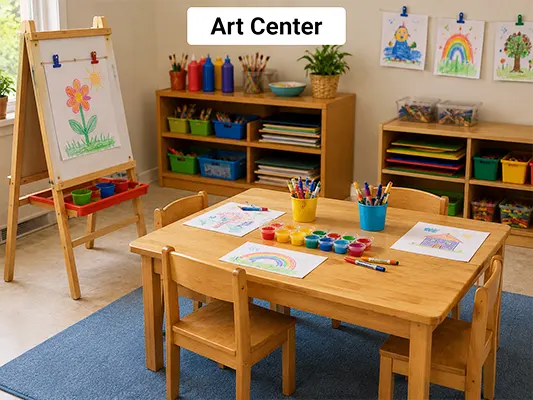
Art Center
The art center is a dedicated space for children to unleash their imagination. Large display walls are prioritized to showcase children’s hand-drawn and handicraft works, accommodating various teaching methods such as Reggio Emilia and Montessori. Commonly used furniture and supplies in the art center include:
- Height-adjustable drawing worktable
- Tiered low cabinets for handicraft storage
- Wooden display wall and artwork display cabinets
- Paintbrushes, clay, cardstock, paints, and other creative materials.
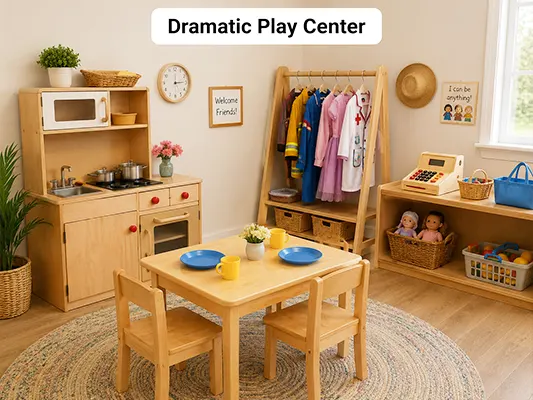
Role-Playing Area
The role-playing area is a distinctive feature that parents will immediately notice during their visit. Here, children take on different roles, simulating real-life scenarios such as supermarkets, clinics, and homes, practicing communication and teamwork through play. Common furniture and supplies in a role-playing center include:
- A simulated mini-kitchen and supermarket shelves
- A long, multiplayer game console
- Various role-playing costumes and dolls
- Realistic cashier and medical-related props
- Themed partition cabinets
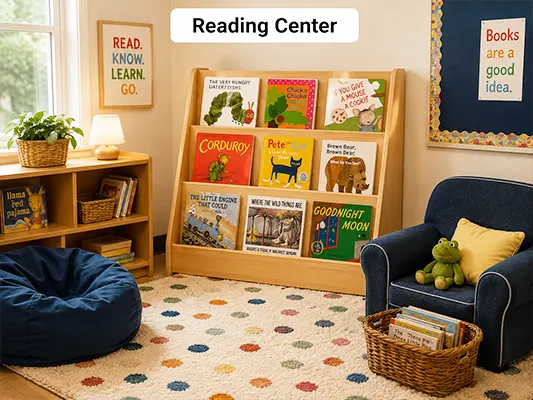
Reading Center
A reading center is a quiet, relaxing corner for children. Ideally, it should be located in a quiet, well-lit area within the classroom, allowing children to immerse themselves in picture books and stories. Common furniture and supplies for a reading center include:
- Tiered picture book shelves
- Low reading tables and chairs
- Soft beanbag sofas and cushions
- Thick, non-slip reading mats
- Wall-mounted story display boards
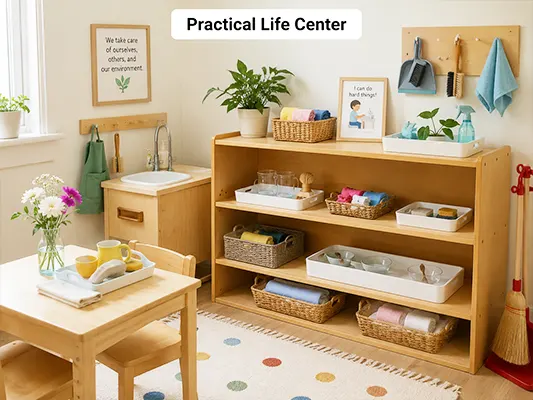
Daily Life Practice Area
The living area focuses on hands-on self-care practice. The furniture is designed to be the perfect height for children, allowing them to independently complete tasks such as wiping, washing, tidying up, and caring for plants, gradually developing self-reliance habits. Commonly used furniture and supplies in the daily life practice center include:
- Mini washing worktable
- Single-layer low tool storage cabinet
- Mini gardening and cleaning teaching aid set
- Clothing folding and sorting storage baskets
- Mini plant care shelf
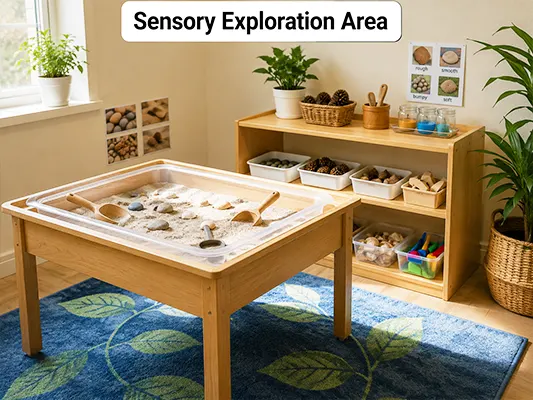
Duyusal Keşif Alanı
Furniture in the sensory area should prioritize easy-to-clean and maintain styles, facilitating daily cleaning and supervision by teachers. Children will use materials such as sand, water, plants, and clay to touch and observe, fully developing their sensory abilities. Commonly used furniture and supplies in the sensory center include:
- Sand and water play equipment
- Multi-tiered open shelving
- Categorized storage boxes and tool trays
- Tactile materials such as natural stones, grains, and plant specimens
- Waterproof and non-slip floor mats
Sıkça Sorulan Sorular
What Height Of Classroom Furniture Should Be Chosen For Different Age Groups?
Children aged 0-3: Children in this age group have poor balance, are short, and lack the ability to independently identify safety hazards. Rounded-corner tables and chairs, and low single-layer cabinets (≤60cm high) are suitable to prevent climbing and falls, and to mitigate the dangers of sharp table corners. We support complete custom-made single-layer cabinets (≤60cm) specifically for childcare, effectively avoiding safety hazards.
Children aged 3-6: They have good balance and mobility and can independently complete activities in multiple areas of the learning center. Ordinary fixed-height tables and chairs are only suitable for a single age group and need frequent replacements as children grow taller. Our adjustable tables and chairs can be used throughout the entire growth period of children aged 3-6. Adjustable height tables and chairs: sitting height 28–36cm, tabletop height 50–62cm.
Is It Possible To Create A Complete Learning Center With Limited Classroom Space?
Many classrooms with limited space worry that they can’t divide the space into multiple activity areas. Actually, it’s not necessary to have all six areas at once. You can flexibly adjust them according to the focus of your daily classes. Each activity doesn’t need a separate, fixed space; different classes can use the same area at different times. For example, long tables can be used for art and crafts in the morning and then spread out on mats for role-playing games in the afternoon; wall display boards can display artwork during the day and use them to display illustrations from picture books in the evening, ensuring that every space is used effectively.
Is Each Classroom Set Up Somewhat Academically Focused?
The center of learning is not good at all. Since then, the number of people in the rooting group, the number of classrooms, the selection of 4-6 main areas, and the usage information of the rooting group has been gradually increased. Each area has a clear and clear passage through the operation space.
Which Pieces Of Furniture Should You Buy First When On A Limited Budget?
You could start by purchasing open low cabinets, children’s tables and chairs, picture book racks, and movable partitions. These pieces serve multiple purposes—such as storage, zoning, and daily activities—and are easy to rearrange or repurpose later on.
Education-Centered Demand Taku Adjustment Primary?
You do not need to frequently change the entire layout. Instead, observe how the various areas are used on a monthly basis and make adjustments when there are changes to the curriculum theme, the age of the class, or the number of children. Change the materials first before considering moving the furniture.
Without Professional Layout Drawings, Can I Plan The Classroom Learning Center Zones Myself?
You can plan it yourself. Just hand-draw a simple sketch on a blank sheet of paper. You don’t need a standard design drawing. Just roughly draw the length and width of the classroom, where the doors, windows, and water taps are, and simply circle the location of each activity area. This will allow you to see in advance whether the aisles will be crowded or the areas will be noisy. 1. Prioritize furniture with fixed functions. Place only living areas where there is a sink, and reserve the wall with the best lighting for drawing and reading areas. If the functions are matched properly, the layout will basically not go wrong.
Summarize
Regardless of classroom size or curriculum, setting up a learning center is invaluable: partitioned spaces enhance children’s focus and self-care skills, children can freely choose their favorite exploration projects, daily maintenance is easier, and parents can directly experience the rich teaching content during visits. Top Montessoris has been specializing in early childhood furniture for over 20 years, familiar with classroom layouts for all age groups, helping you avoid planning challenges related to size, space, and safety, and creating a learning center perfectly suited to your classroom. We will provide you with exclusive layout ideas, furniture matching lists, and a customized learning center implementation plan to suit your needs!





 TR
TR  EN
EN  AR
AR  FR
FR  IT
IT  DE
DE  ES
ES  TH
TH  JA
JA