
Preschool classrooms are dynamic, energetic spaces filled with movement, creativity and discovery. But without thoughtful storage, even the most engaging learning environment can quickly become cluttered and overwhelming. Teachers know that organization is not just about cleanliness. It is about creating a space that supports daily routines, fosters independence and promotes focused learning.
In this article we explore the most effective types of preschool storage units, designed not for showrooms but for real classrooms. We look at what makes a storage unit practical, how to match it with your space and which designs help teachers manage materials while empowering children to care for their environment. Every recommendation is grounded in real classroom needs, not just aesthetic appeal.
Why Smart Storage Matters in Preschool Classrooms
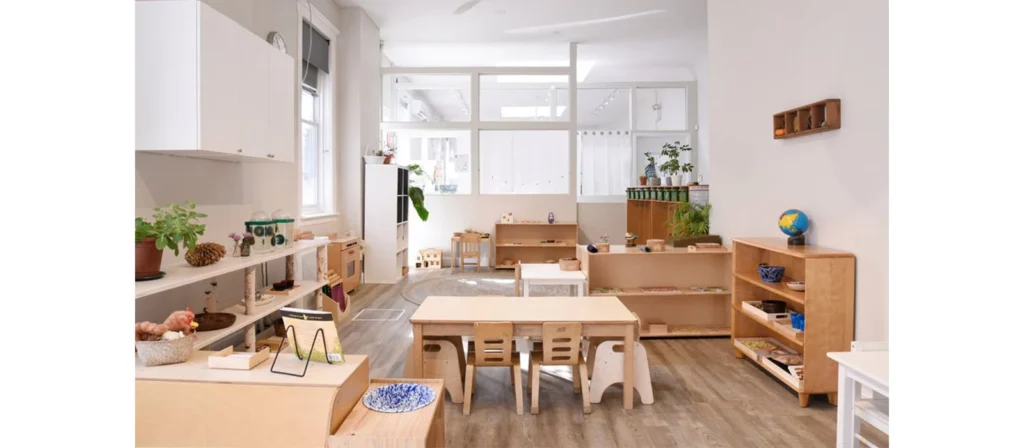
Preschool classrooms are bustling environments full of creativity, energy and ever-changing activities. But without smart storage solutions, even the most well-planned space can quickly become chaotic. Thoughtfully chosen storage units help create a sense of order that benefits both teachers and students. They allow materials to be organized by theme or activity, reduce time spent looking for supplies and foster independence by making it easy for children to access and put away materials themselves.
Well-designed storage doesn’t just save space. It supports how learning happens. When everything has a place, transitions between activities become smoother, safety improves and the learning environment feels more welcoming and calm. In short, smart storage plays a vital role in shaping a functional, flexible and enriching preschool experience.
Key Features of Effective Preschool Storage Units
When selecting storage units for a preschool classroom, keep the following key features in mind. Each of these supports both practical function and a positive learning environment:
Durable, High-Quality Materials
Choose units made from sturdy, long-lasting materials that can handle constant use, rough play and movement without wearing down or losing stability.
Easy-to-Clean Surfaces
Smooth finishes that can be wiped with a damp cloth help maintain hygiene without requiring special cleaning products. This is essential in early childhood settings.
Multi-Functionality
The best storage units do more than hold supplies. They can double as room dividers, display areas for artwork or even as activity stations during lessons.
Child-Friendly Access
Low, open shelves with no sharp edges veya heavy drawers make it easy for all children to independently access and return materials. This supports Montessori-style independence.
Estetik Görünüm
Visually appealing storage enhances the classroom’s atmosphere. Natural tones, wood finishes Ve soft colors contribute to a calm, inviting learning space.
Open and Inviting Design
Open compartments and transparent bins encourage exploration, play and curiosity. They also make it easier for children to see and choose materials without needing help.
Storage Unit Types That Support Real Teaching Needs
Preschool classrooms require smart storage solutions that adapt to different group sizes, teaching activities and available space. The following types of storage units are widely used in early childhood environments and are designed to meet specific classroom needs:
4-Cubby and 5-Cubby Lockers
These are among the most versatile and space-efficient storage units. The 4-cubby and 5-cubby formats are ideal for organizing individual student belongings in small to medium-sized classrooms. Their compact footprint makes them easy to arrange side by side or in clusters, depending on the number of children.
6-Cubby Lockers
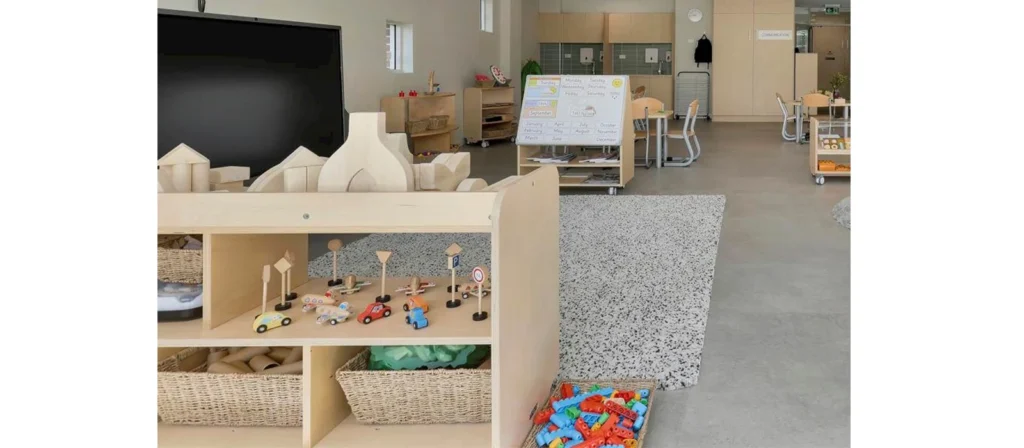
Offering more capacity per unit, the 6-cubby locker is a smart choice for classrooms that serve larger groups or need extra compartments for themed materials. It helps reduce the number of overall units while still offering clear organization.
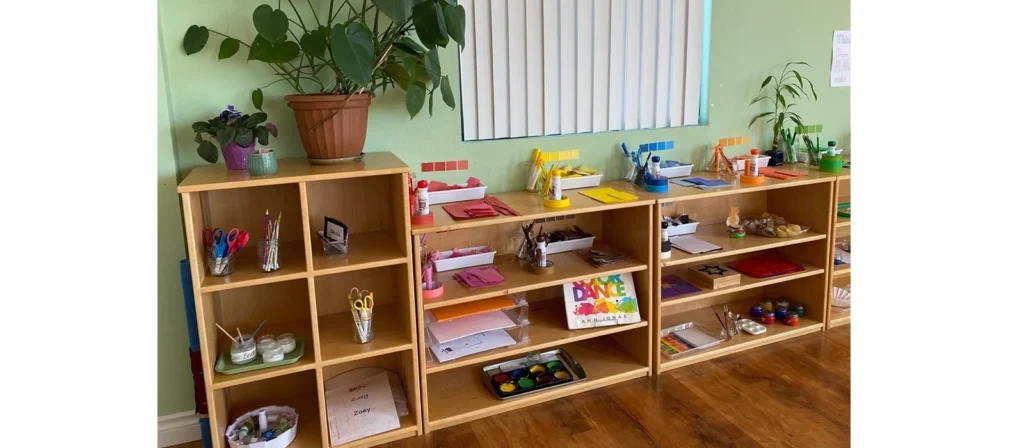
10-Cubby Wall Lockers
Mounted on the wall to save floor space, these lockers provide high-volume storage for items like backpacks, coats and shoes. They’re a great solution for entrance areas, helping children develop daily routines and a sense of responsibility.
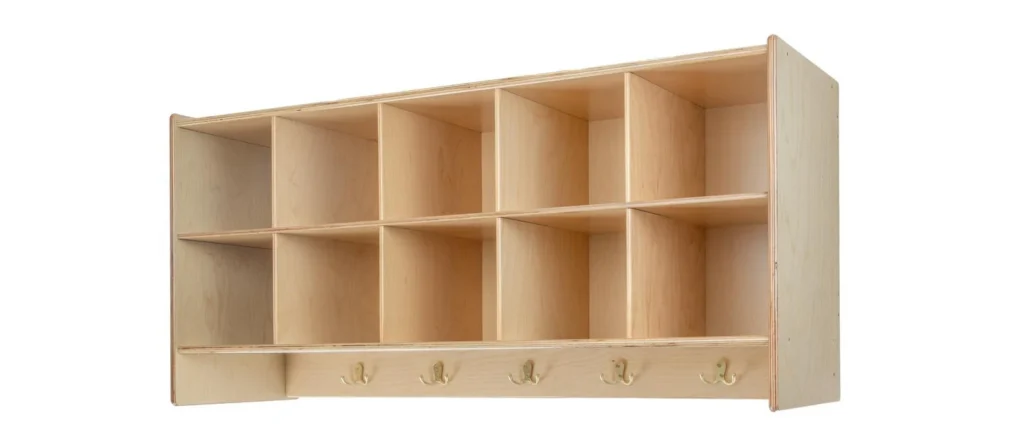
Coat and Backpack Cubbies
Designed specifically for personal belongings, these lockers support daily transitions such as arrival and dismissal. Whether wall-mounted or free-standing, they help keep personal items organized and separated.
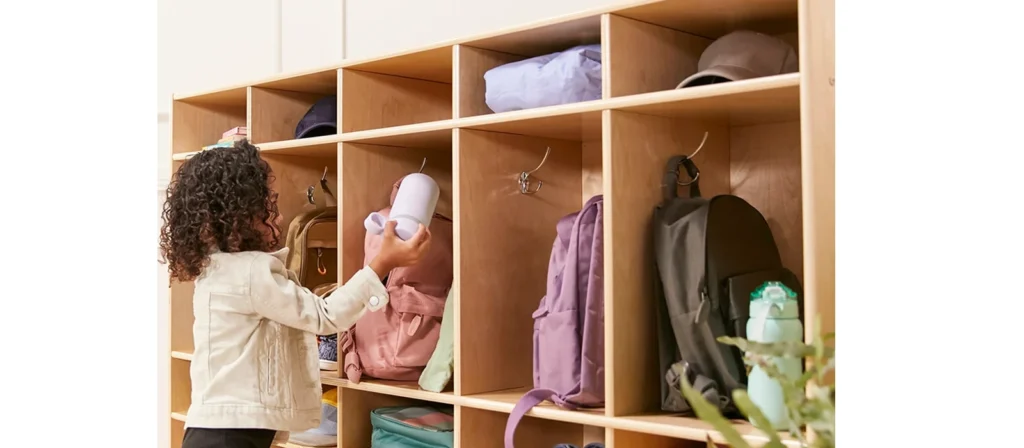
Mobile Storage Carts
These units feature wheels for easy movement, making them perfect for materials that rotate throughout the day such as art supplies, manipulatives or bedding. Their mobility allows teachers to quickly adapt the classroom layout to suit changing needs.
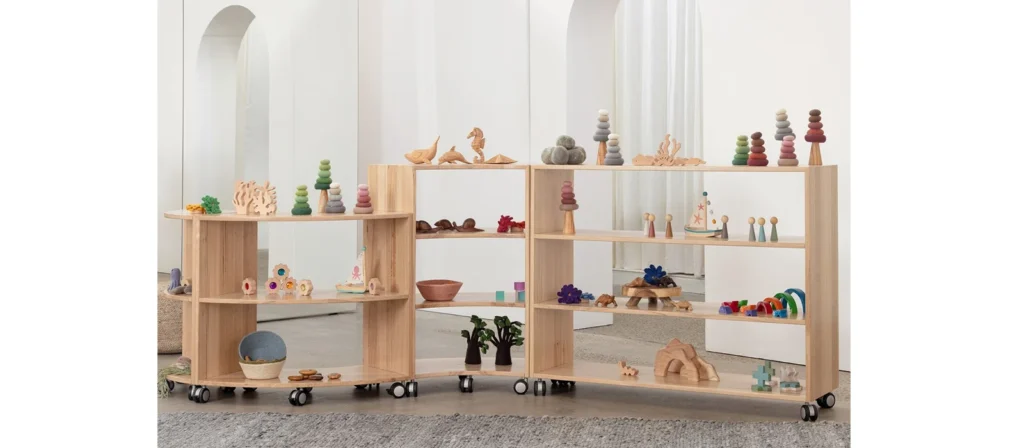
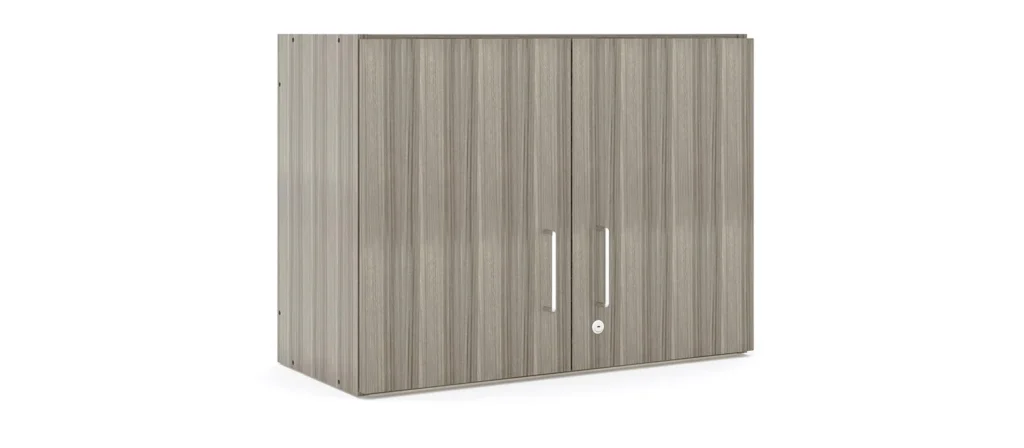
Locking Cabinets
These provide secure storage for items that should remain out of children’s reach, such as cleaning supplies, teacher materials or emergency kits. Lockable doors help maintain safety and organization in both classrooms and staff areas.
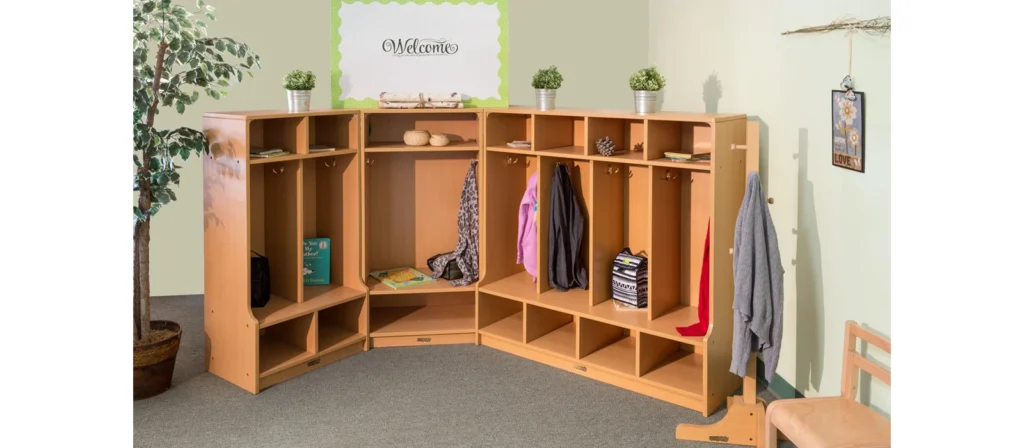
Corner Storage Lockers
Ideal for making use of unused classroom corners, these units maximize every inch of space. They’re especially helpful in smaller rooms where layout efficiency is key.
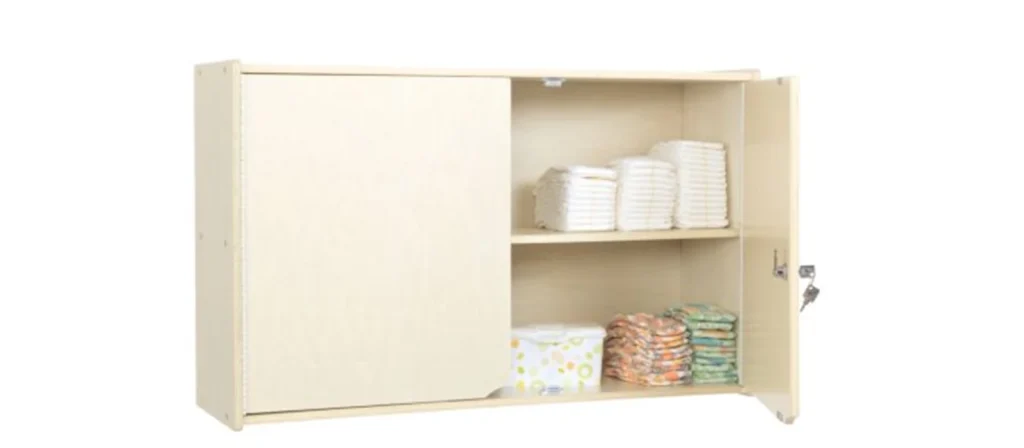
Diaper Storage Cubbies
For infant and toddler classrooms, diaper storage units provide a sanitary and organized way to store changing supplies. Open compartments and easy-to-clean surfaces make daily routines smoother and more hygienic.
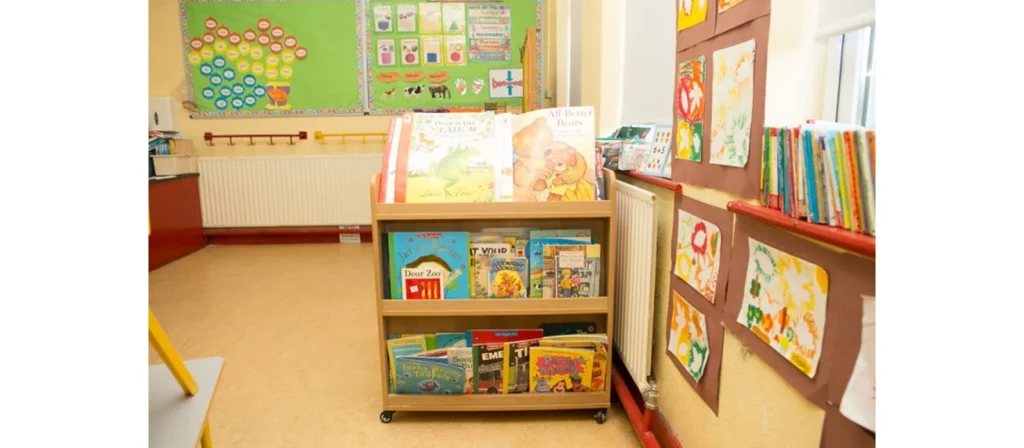
Library Storage Units
Used in reading corners or quiet zones, these units support literacy development by offering open access to books. Many versions also include built-in seating, helping to define cozy, focused areas for independent reading.
How to Match Storage with Your Classroom’s Layout?
Choosing the right storage isn’t just about size or style. It’s also about how well each unit fits into the overall flow and function of your classroom. Here are a few key tips to help you align your storage strategy with your space:
Start by Mapping Your Daily Flow
Observe how children and teachers move throughout the day. Identify high traffic areas, quiet zones and transition points. This helps determine where storage will be most effective without interrupting activity flow.
Use Low, Open Units to Define Zones
Low shelving can act as natural boundaries between areas like dramatic play, reading and group time. These open units keep sightlines clear while still organizing materials by theme.
Reserve Wall Space for Vertical Storage
Maximize vertical surfaces by adding wall mounted lockers or narrow cabinets. This frees up floor space for movement and play, especially in smaller classrooms.
Avoid Blocking Natural Light and Doorways
Always position tall or bulky units away from windows and entrances. This keeps the room bright and welcoming while ensuring safety and easy access.
Fit Storage to Room Shape, Not Just Size
For square rooms, central island units can create flexible access points from all sides. In narrow or L shaped rooms, opt for slim or corner units to avoid crowding.
Use Mobile Units in Flexible Activity Areas
In classrooms where the layout changes frequently, such as art corners or STEM zones, mobile storage carts allow you to quickly adapt the space without losing organization.
Final Thoughts
Creating a well-organized preschool classroom is about more than keeping things tidy. It means designing a space that supports how young children move, think and grow. When storage is thoughtful and functional, it helps build independence, supports smoother routines and minimizes distractions during learning.
EN İYİ Montessoris offers storage solutions that are designed with real teaching needs in mind. From low open cubbies to mobile carts and secure lockers, every unit is made to support flexible layouts and evolving classroom routines. With a focus on safety, durability and accessibility, these products help educators create environments that truly work.
If you are rethinking your classroom setup, start by observing how your space functions each day. Even small changes like adjusting the position of furniture, labeling bins more clearly or reducing visual clutter can make a lasting difference in both teaching and learning.
Frequently Asked Questions About Preschool Storage
What storage units work best for small preschools or home-based classrooms?
Compact, multi-functional units are ideal for small classrooms. Choose low cubbies that double as room dividers, mobile carts for flexible use and wall-mounted lockers to save floor space. Modular designs also help adapt to changing group sizes without cluttering the space.
Why is preschool storage more important than many people realize?
Storage in early childhood settings does more than keep things tidy. It supports safety, classroom routines, and child independence. Thoughtful storage also reduces stress for teachers and creates a calm, structured environment that helps children focus and feel secure.
How can I encourage children to use storage properly?
Use open shelving, child-height units and picture labels to help children understand where items belong. Involving them in cleanup routines builds responsibility and helps them feel ownership over their environment.
How much storage does a typical preschool classroom need?
This depends on class size and program type, but a well-equipped preschool typically includes individual cubbies, shared supply units, mobile carts and some closed cabinets. Planning for both daily access and overflow storage helps avoid clutter.
Can good storage improve classroom behavior?
Yes. Organized spaces with clear storage systems help reduce distractions and transitions become smoother. Children are more likely to stay focused and follow routines when materials are easy to find and return.





 TR
TR  EN
EN  AR
AR  FR
FR  IT
IT  DE
DE  ES
ES  TH
TH  JA
JA