Children are naturally curious, but they often need the right kind of question to truly open up. Instead of asking yes-or-no questions that end the conversation quickly, open ended questions invite kids to think, reflect, and speak in their own words. Whether you are a parent looking for more connection or a teacher hoping to spark thoughtful discussions, these types of questions are simple but powerful tools for meaningful communication.
At the heart of every good conversation with a child is a question that does not have one right answer. Open ended questions for kids are essential for developing communication skills, emotional awareness, and independent thinking. When asked with care and consistency, these questions help children build confidence in their ideas and feel safe expressing who they are. This kind of interaction turns everyday talk into moments of genuine learning and connection.
In this guide, you will learn what makes a great open ended question, why they are so effective, and how to use them naturally in your daily life. With over 100 carefully crafted examples organized by theme, you will have an easy way to start deeper conversations anytime.
What Are Open Ended Questions?
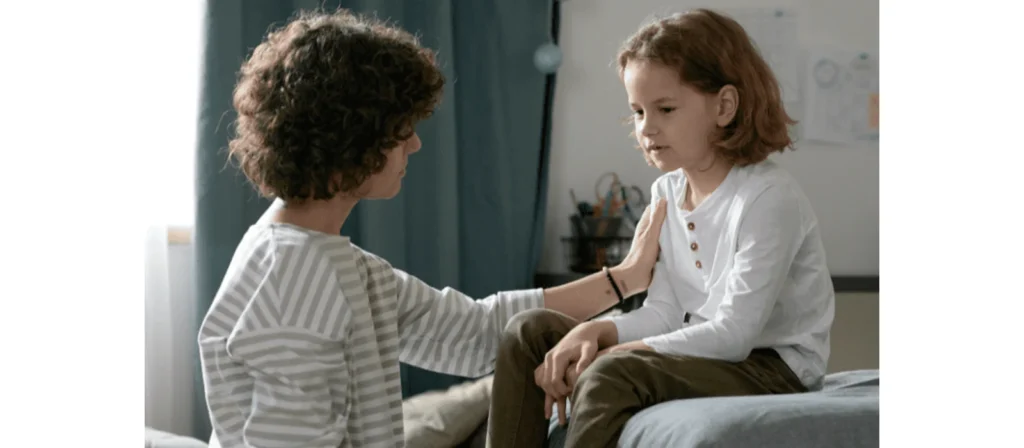
Open ended questions for kids are questions that encourage children to respond with their own thoughts, ideas, and feelings rather than giving a short or fixed answer. Instead of leading them toward a single conclusion, asking open ended questions gives children space to explore, imagine, and express themselves through language.
At their core, open ended questions for kids promote openness and flexibility. They do not restrict how a child should think or what they should say. This kind of freedom allows children to reflect more deeply, organize their thoughts, and communicate with confidence. Because there is no single right answer, kids feel less pressure and more freedom to be honest.
When you use these kinds of questions in everyday conversations, the focus shifts from trying to give the correct answer to sharing something meaningful. For example, asking “What was your favorite part of today?” encourages the child to choose what mattered most and explain it in their own words.
Ultimately, asking open ended questions creates meaningful opportunities for connection. They help children think more clearly, speak more openly, and build stronger communication skills with the people who care about them.
Why Are Open Ended Questions Important?
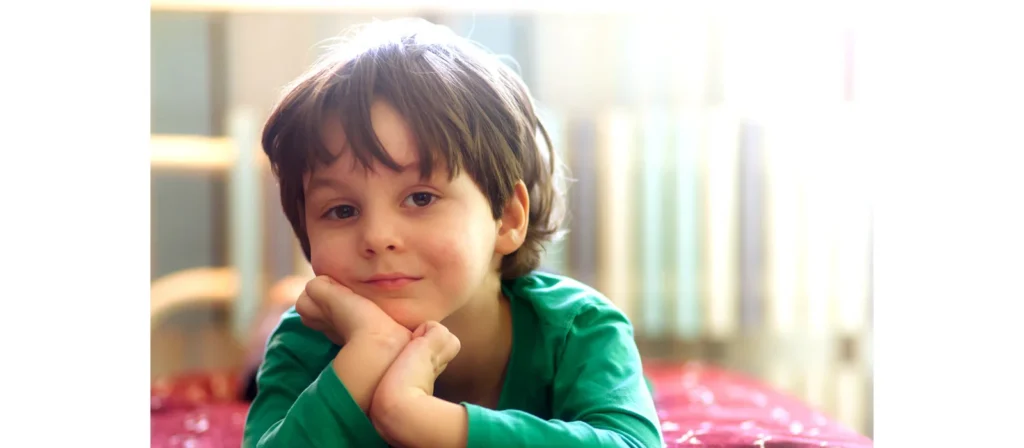
Open ended questions play a key role in helping kids grow intellectually, emotionally, and socially. Here are four powerful reasons they matter.
Builds Thinking Skills
Answering open ended questions encourages children to move beyond automatic replies. They need to think critically, choose their words carefully, and organize their thoughts clearly. This process strengthens reasoning, creativity, and problem solving, all of which are essential skills for learning and everyday decision making.
Supports Emotional Growth
When kids are invited to talk about their feelings or explain their reactions, they start to make sense of their inner world. Open ended questions help them build emotional awareness and give them the words to express complex feelings, which leads to healthier emotional development over time.
Strengthens Relationships
These types of questions send a powerful message that a child’s ideas are worth hearing. Children feel more connected to adults who listen without judgment and show real interest. Over time, this trust leads to deeper relationships and makes kids more willing to open up.
Builds Confidence
Using open ended questions for kids shows them their voice matters. When they are encouraged to share their ideas or tell personal stories, they learn to trust their own thinking. This builds self esteem and helps them feel more confident in conversations at school, with friends, and in new situations.
What Makes a Good Open Ended Question?
Not all open ended questions for kids are equally effective. The most impactful ones invite thoughtful responses, spark curiosity, and help children feel safe expressing themselves. When used well, these questions become powerful tools for building stronger conversations and deeper understanding.
Clear and Simple
A good open ended question should be easy for a child to understand. It uses plain language and avoids complex wording that might confuse or overwhelm them. If a question is too long or unclear, children may not know how to respond. Keeping it clear helps them focus on what they want to say.
Invites Reflection
Effective open ended questions encourage kids to pause and think before they speak. They are not looking for quick answers but thoughtful ones. A prompt like “What surprised you today?” invites the child to explore their experience and share what stood out, in their own way.
Feels Safe and Open
Children respond best when they feel emotionally safe. Good questions do not carry judgment or pressure to be right. Instead, they signal genuine curiosity. When kids know that any answer is welcome, they feel free to be honest, creative, and more expressive.
Fits the Child’s Development
A strong open ended question takes into account the child’s age, maturity, and communication level. What works for a four-year-old may not work for a ten-year-old. The best open ended questions for kids challenge them just enough to think, but never so much that they feel lost or unsure how to respond.
105 Open Ended Questions for Kids
Open ended questions can turn everyday conversations into moments of discovery. Here are 105 questions, organized by theme, that invite kids to think deeper, feel more, and express themselves freely.
Thoughts and Imagination
These questions encourage children to use their creativity, form opinions, and explore possibilities without limits.
- What would your dream world look like?
- If you could invent anything, what would it be and why?
- What do you think clouds are thinking about when they float?
- How would you describe time to someone who has never heard of it?
- If animals could talk, what do you think they’d say to humans?
- What do you imagine lives at the bottom of the ocean?
- If you could live in any book or movie, which one would you choose and why?
- What does being “smart” mean to you?
- If you could ask any question and get the answer, what would you ask?
- What would the perfect playground include?
- If your thoughts had colors, what color would today’s be?
- What do you think happens to dreams after we wake up?
- If the moon could whisper a secret, what would it tell?
- What would a new holiday you invent celebrate?
- If you could make one rule for the whole world, what would it be?
Feelings and Emotions
These questions help kids understand and express their inner world.
- What feeling have you had today that surprised you?
- How do you know when you’re really happy?
- What does being brave feel like inside your body?
- Can you describe a time you felt really proud of yourself?
- What do you do when you’re feeling nervous?
- How can you tell when someone else is feeling left out?
- What helps you calm down when you’re upset?
- What does kindness feel like?
- What color matches your mood right now, and why?
- Can you remember the last time you felt excited? What caused it?
- What do you wish people understood better about your feelings?
- How do you show someone you care about them?
- What’s something that makes you feel peaceful?
- What feeling is the hardest for you to talk about?
- How do you know when you need a break?
Family and Relationships
These prompts explore how children experience connection with others.
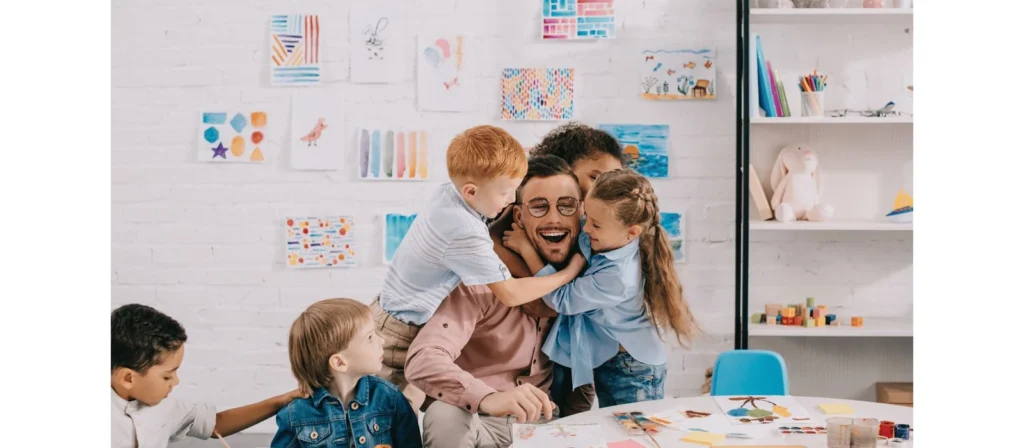
- What do you love most about our family?
- If you could plan a perfect day with someone you love, what would you do?
- What makes someone a good friend?
- What do you like doing with your grandparents (or a family member)?
- How do you feel when you help someone else?
- What’s something small that someone did that made you feel special?
- What makes a conversation fun?
- How do you know someone is being a good listener?
- What’s one thing you wish people did more often?
- How do you show appreciation to people in your life?
- What’s your favorite memory with a friend or family member?
- If you could give a gift to someone just because, what would it be?
- What’s something you admire about someone in your family?
- What makes you feel close to someone?
- How do you say sorry when you hurt someone’s feelings?
School and Learning
These questions help kids reflect on their school life, how they learn, and what excites them intellectually.
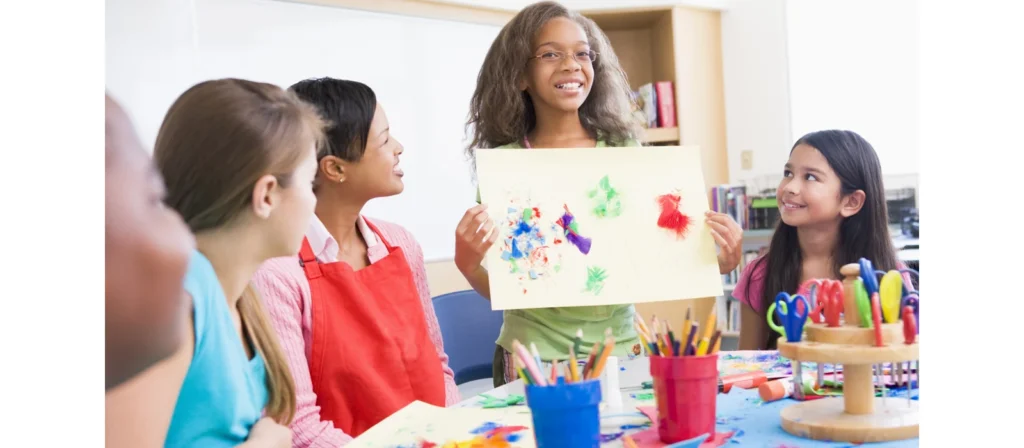
- What’s something new you learned recently that surprised you?
- If you could teach your class anything, what would it be?
- What makes a teacher really great?
- What’s your favorite thing to do at school, and why?
- If school could be anywhere in the world, where would you move it?
- What helps you stay focused when you’re working on something hard?
- What’s one subject you wish was never part of school? Why?
- What makes you feel confident when learning something new?
- How do you feel when you don’t understand something right away?
- What’s the best way to solve a problem when you’re stuck?
- What’s something you’ve taught someone else lately?
- If you could change one school rule, which would it be?
- What do you like better—working alone or with others—and why?
- What does “being a good student” mean to you?
- What’s one thing school doesn’t teach but should?
Life and Experiences
These prompts encourage kids to reflect on their everyday lives, observations, and the world around them.
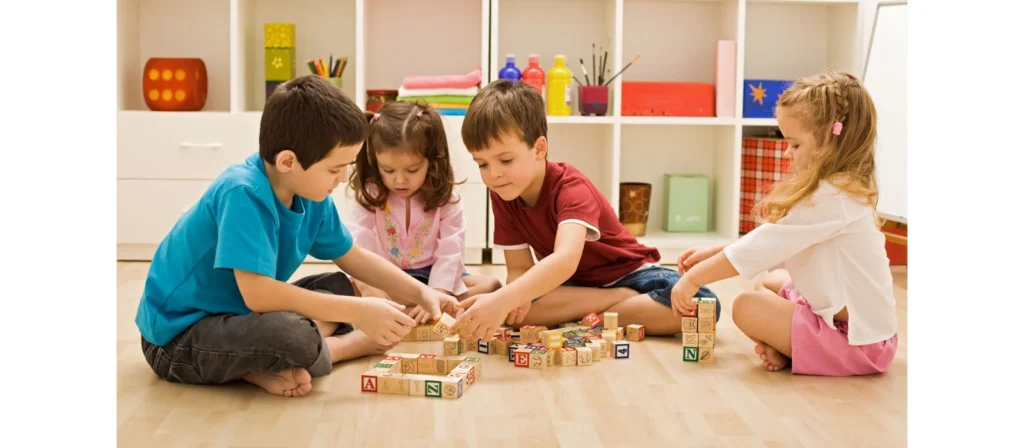
- What’s something interesting you noticed today?
- Can you describe a smell or sound that reminds you of home?
- What do you love most about your routine?
- What’s something small that made your day better recently?
- What’s a challenge you faced this week, and how did you deal with it?
- What’s something you wish adults understood better about kids?
- What do you think makes a day feel “really good”?
- What’s something in nature you find beautiful?
- What do you think people could do to make the world kinder?
- Can you describe a time you surprised yourself?
- What’s something you’re really curious about right now?
- How do you know when you’ve done your best?
- What makes you feel safe when you’re in a new place?
- What’s something fun you’d like to do again soon?
- What’s one thing you’d like to remember forever?
Creativity and Play
These questions are designed to unlock a child’s imagination and invite them to think playfully and inventively.
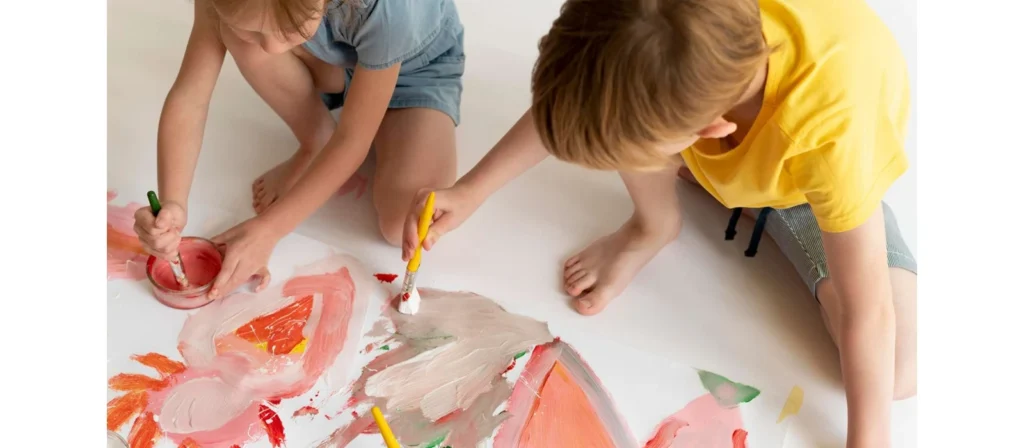
- If you could create your own game, what would the rules be?
- What kind of character would you be in a video game or story?
- If your toys could come to life for a day, what would happen?
- What’s your favorite way to make up your own stories?
- What’s something silly you wish grown-ups would do more often?
- If you had a magic art box, what would you draw with it?
- What’s your dream fort made out of?
- If you had to design your own theme park, what would it include?
- What kind of creature would you invent if you could make a new animal?
- What’s your superhero name and your special power?
- If you could change your voice to sound like anything, what would you pick?
- What color would your imaginary world be?
- If you could mix two animals together, what would you create?
- What’s the funniest story you’ve ever made up?
- If music could turn into shapes, what would your favorite song look like?
Values and Decision-Making
These questions help children think about right and wrong, choices, responsibility, and the kind of person they want to be.

- What does being a good person mean to you?
- What’s something you believe is always worth doing?
- If you saw someone being left out, what could you do?
- How do you know when you’ve made a good choice?
- What does fairness look like to you?
- What’s something you feel responsible for?
- If you could fix one problem in the world, what would it be?
- How do you decide what’s the right thing to do?
- What do you think makes someone trustworthy?
- When is it hard to tell the truth?
- What’s something you’ve done that made you feel proud?
- How do you show respect to people who are different from you?
- What would you do if you made a mistake and hurt someone’s feelings?
- What’s more important to you: being kind or being right? Why?
- What kind of person do you hope to become?
Common Mistakes to Avoid When Asking Kids Questions
Even with good intentions, certain habits can unintentionally close off communication. Recognizing these common mistakes helps adults create more thoughtful conversations and make the most of open ended questions for kids.
Relying too much on yes or no questions
Questions like “Did you have a good day?” or “Do you like math?” tend to lead to one-word answers. While quick and easy, they rarely invite deeper thoughts. Asking something like “What made your day interesting?” encourages a child to share more openly and thoughtfully.
Asking too many questions at once
If children are bombarded with several questions in a row, they may feel overwhelmed. It can start to feel more like an interview than a conversation. Give them space between questions and time to respond. It shows that their answers matter and helps build trust.
Jumping in to correct too quickly
It is natural to want to help when a child is struggling to express themselves. But interrupting or correcting can discourage them from continuing. Letting them find their words, even if they stumble, builds both confidence and communication skills.
Ignoring emotional or timing cues
Sometimes a child is simply not ready to talk. They might be tired, distracted, or just not in the mood. Watch their body language and tone. Choosing the right moment makes a big difference in how they respond to open ended questions.

Conclusione
The power of open ended questions comes not just from what is asked but from how often they are used. When adults regularly give children space to think, reflect, and speak in their own words, they support lasting growth in confidence, curiosity, and emotional awareness.
These conversations do not need to be planned or perfect. They can happen naturally during a car ride, while setting the table, or before bedtime. What matters most is creating a moment of connection where the child feels heard and valued.
Over time, these small moments turn into a lasting habit. Children begin to trust that their ideas are welcome, even if they are unsure or still forming them. This builds a foundation for honest communication and a stronger, more understanding relationship.
Whether you are a parent, teacher, or caregiver, choosing to ask open ended questions shows a child that their thoughts matter. And when that message is repeated often enough, it becomes part of how they see themselves and how they relate to the world.
Domande frequenti
What age can I start using open ended questions with my child?
What age can I start using open ended questions with my child?
You can begin as early as toddlerhood. Even young children benefit from questions that invite them to explore their thoughts and feelings, using simple language that matches their developmental stage.
How do I keep the conversation going after asking an open ended question?
Give your child time to think. Avoid interrupting or rushing to fill the silence. You can follow up with prompts like “Tell me more about that” or “What made you think that?”
What if my child gives short answers or says ‘I don’t know’?
That is completely normal. Try rephrasing the question in a gentler way or ask about something specific they recently experienced. Keep the tone light and curious rather than demanding.




 IT
IT  EN
EN  AR
AR  FR
FR  DE
DE  ES
ES  TH
TH  JA
JA  TR
TR