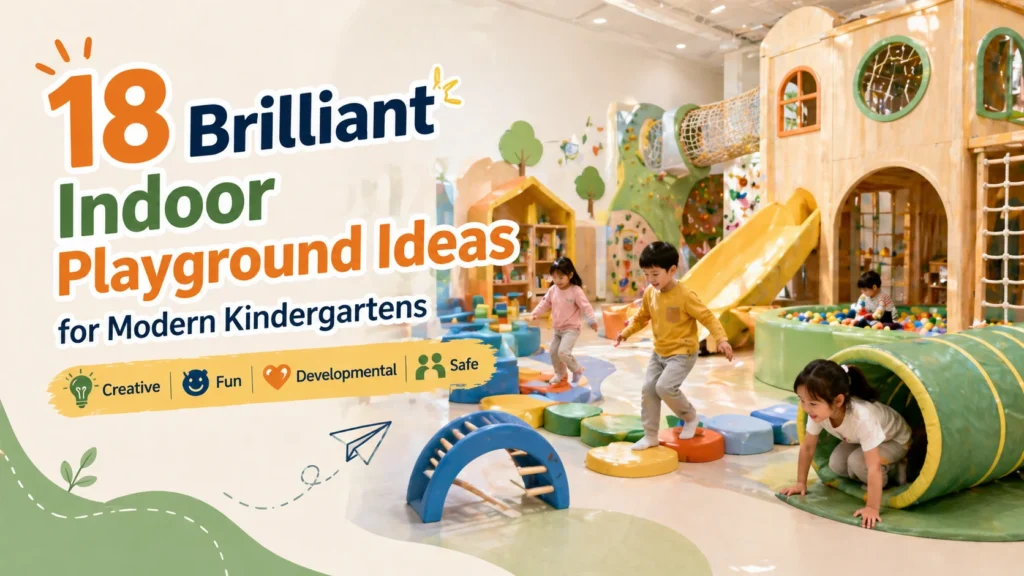
Indoor play has become a key part of early childhood learning, especially for schools, kindergartens, daycare centers, and preschool classrooms that need safe, flexible activity spaces. Children benefit from daily opportunities to move, explore, imagine, communicate, and solve problems, even when outdoor play is limited by weather, space, or scheduling.
That is why well-planned indoor playground ideas are so valuable. A thoughtfully designed indoor play area can support physical development, sensory learning, creativity, social interaction, and emotional confidence within a single environment. A clear, purposeful layout helps schools create play zones that truly match children’s developmental needs instead of placing equipment randomly.
In this guide, we share 18 indoor playground ideas organized by key development goals to help you create a safer and more engaging learning space.
Key Developmental Purposes of Indoor Playground Ideas
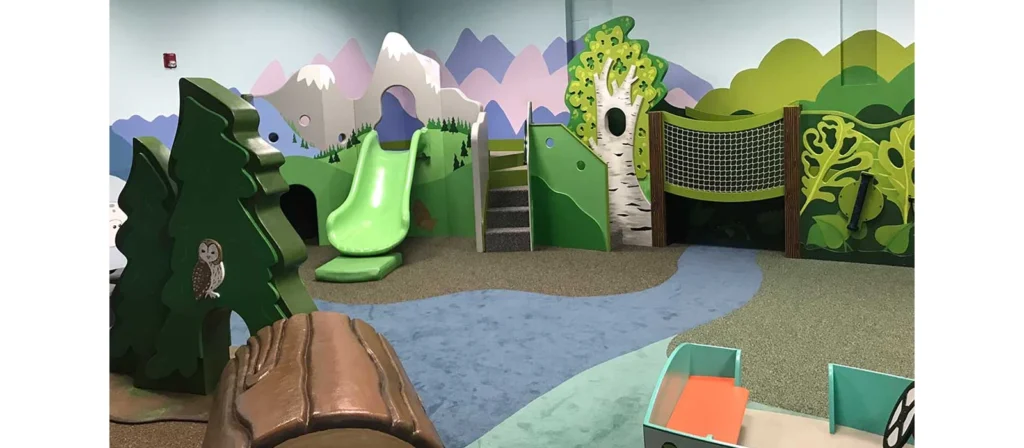
Good indoor playground ideas start with children’s real needs. In early childhood, play spaces give children daily chances to move, imagine, explore with their senses, communicate with others, and build confidence. When each area has a clear developmental purpose, the playground becomes a meaningful learning environment that supports the whole child.
Encourage Daily Movement and Body Control
One key purpose of an indoor playground is to give children more chances to move their bodies in different ways. Climbing, crawling, balancing, sliding, and jumping help children build strength, coordination, balance, and spatial awareness, especially when outdoor play is limited by weather, space, or daily schedules.
Build Confidence Through Safe Challenges
A good indoor playground allows children to try small challenges at their own pace. When children climb a low structure, pass through a tunnel, balance on a beam, or complete a simple obstacle course, they gain confidence, independence, and the courage to try again after small mistakes.
Develop Imagination and Creative Thinking
Indoor playgrounds can support creative thinking through pretend play zones, themed structures, art corners, mini shops, kitchens, and storytelling spaces. These areas allow children to create their own games, express ideas, use language, and explore real-life roles in a playful and natural way.
Strengthen Social Interaction
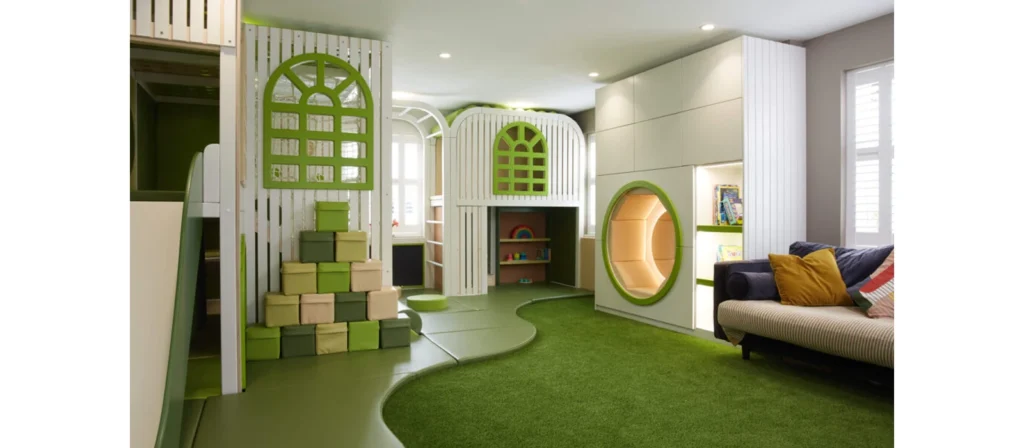
Shared indoor playground spaces help children practice communication, cooperation, turn-taking, and simple problem-solving with peers. Whether they are building together, joining pretend play, waiting for a slide, or moving through a group activity, children learn important social skills through daily play.
Create Emotional Comfort and Security
Children need both active play and quiet comfort. Soft seating, reading nooks, cozy corners, crawl spaces, and calm sensory areas give children places to slow down, regulate emotions, and feel safe, making the indoor playground more supportive for different moods and energy levels.
Support Independent Choice
Indoor playground ideas can help children make simple choices throughout the day. Choosing whether to climb, build, pretend, read, draw, or explore a sensory activity helps children develop independence, self-direction, and a stronger sense of control over their learning experience.
Movement and Motor Skills Development Indoor Playground Ideas
Physical movement plays a central role in early childhood development, helping children build strength, coordination, balance, and body awareness. Well-designed indoor playground ideas should encourage active play through climbing, crawling, balancing, and full-body movement, allowing children to develop motor skills in a safe and engaging environment.
1. Soft Play Zone
A soft play zone uses foam blocks, padded climbing shapes, and cushioned flooring to create a safe space for jumping, crawling, and climbing. This type of indoor playground idea supports early movement development while reducing the risk of injury, making it especially suitable for daily classroom use.
2. Climbing Wall Area
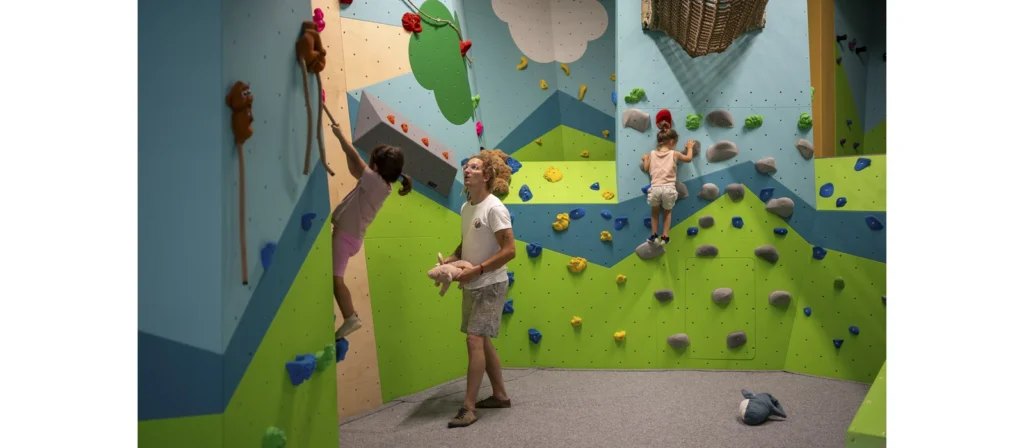
A mini climbing wall helps children develop upper body strength, coordination, and problem-solving skills. Wall-mounted designs are particularly effective in small indoor playground spaces because they use vertical space efficiently without taking up too much floor area.
3. Balance Beam Corner
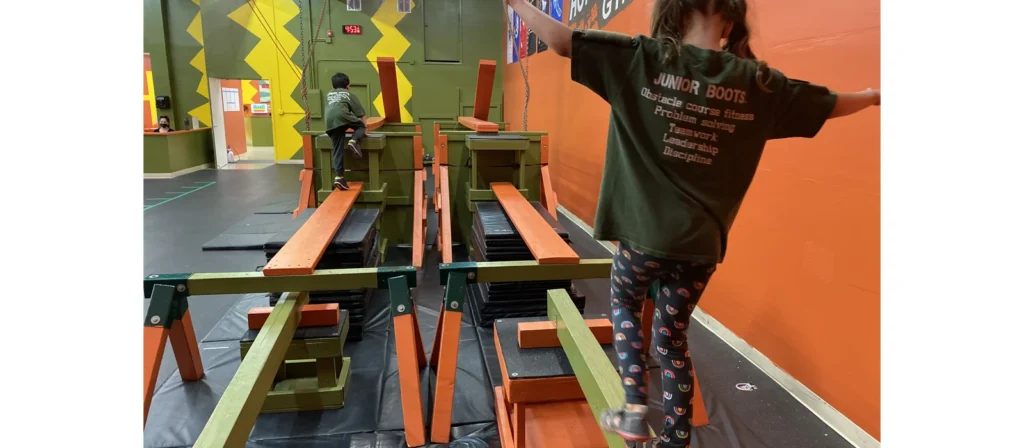
Balance beams help improve posture, coordination, and body control. Low-height beams made from wood or foam provide a safe way for children to practice controlled movement and build confidence step by step.
4. Obstacle Course Setup
An indoor obstacle course combines multiple movements such as crawling, stepping, climbing, and jumping into one activity. This setup encourages full-body engagement and helps children develop agility, coordination, and endurance through play.
5. Indoor Slide Area
Slides combine climbing and motion into a simple but effective activity. Compact slide setups work well in classrooms with limited space while still providing children with opportunities to practice balance and coordination.
Sensory and Cognitive Development Indoor Playground Ideas
Sensory and cognitive play helps children explore the world through touch, sight, sound, and interaction. These indoor playground ideas support focus, curiosity, problem-solving, and early learning by encouraging hands-on experiences and independent exploration.
6. Sensory Play Corner
A sensory play corner can include textured walls, tactile panels, sand tables, water play stations, or sensory bins. These activities help children develop fine motor skills, concentration, and sensory awareness in an interactive way.
7. Activity Wall Panels
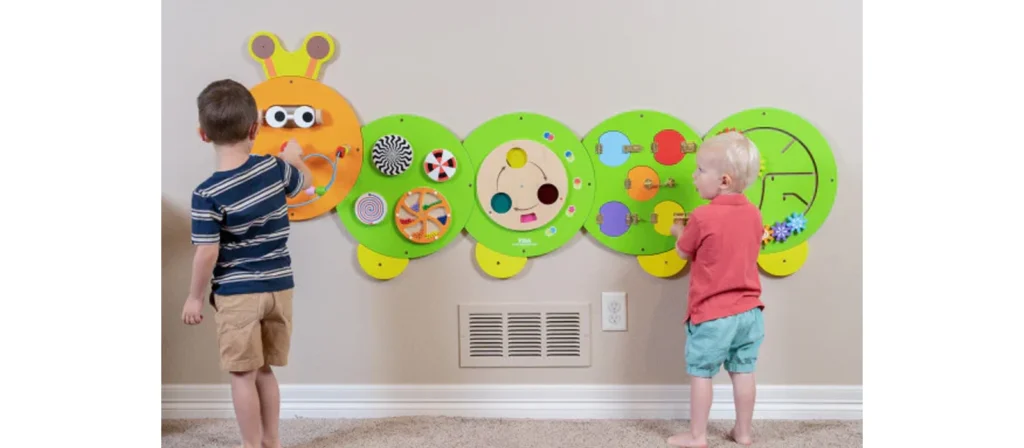
Activity wall panels include interactive boards with gears, sliders, beads, mirrors, and simple puzzles mounted on the wall. These features help children develop fine motor skills, hand-eye coordination, and basic problem-solving ability through hands-on interaction. Wall-mounted designs also save floor space, making them especially suitable for small classrooms while keeping indoor playground ideas practical, engaging, and easy to supervise.
8. Montessori Activity Zone
A Montessori-inspired area uses sorting trays, building blocks, matching games, and self-guided activity stations to support independent learning. This type of indoor playground idea works well as a compact learning station, especially in smaller classrooms where space needs to be used efficiently.
9. STEM Learning Area
A STEM zone with building blocks, ramps, gears, and magnetic panels helps children explore basic science and engineering concepts. It encourages curiosity, experimentation, and creative problem-solving through hands-on play.
10. Puzzle and Discovery Zone
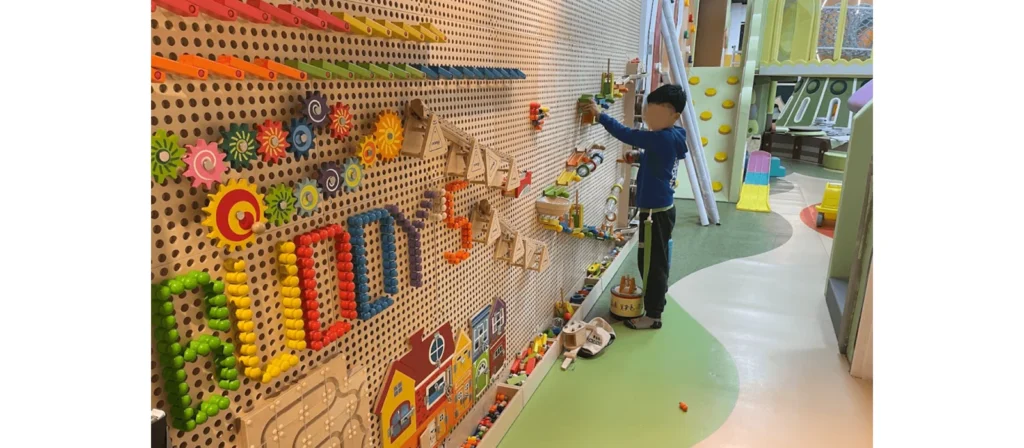
Puzzle walls, matching games, and discovery boards create a quieter play area focused on thinking and observation. These activities help children improve memory, attention, and logical reasoning skills.
Creative and Imaginative Development Indoor Playground Ideas
Creative play allows children to express ideas, explore emotions, and develop imagination through open-ended activities. These indoor playground ideas support storytelling, artistic expression, and creative thinking in a playful environment.
11. Art and Craft Corner
An art and craft corner provides space for drawing, painting, and hands-on creative activities. It helps children develop fine motor skills while encouraging self-expression through colors, shapes, and materials.
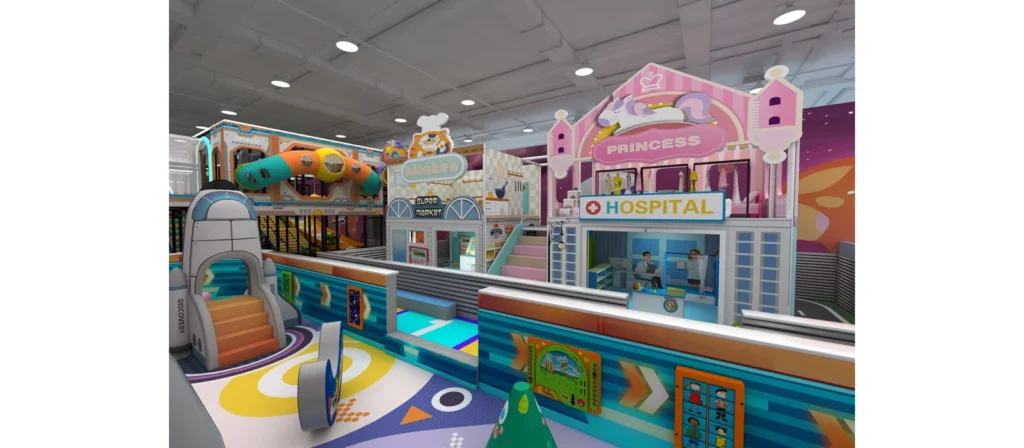
12. Role Play Zone
A role play zone can be designed as a mini kitchen, shop, clinic, or themed environment such as a pirate ship or space station. It encourages storytelling, communication, and imaginative thinking while helping children explore real-life situations.
13. Music and Movement Space
A music and movement area includes simple instruments, rhythm activities, and open space for dancing. It helps children express emotions, understand rhythm, and build coordination through sound and movement.
Social and Emotional Development Indoor Playground Ideas
Social and emotional development helps children build confidence, manage emotions, and interact with others. These indoor playground ideas create environments where children feel comfortable, safe, and encouraged to communicate and connect.
14. Reading Nook Playground
A reading nook with soft seating, cushions, and accessible books creates a calm and comfortable space for quiet activities. It supports language development while helping children relax and develop independent habits.
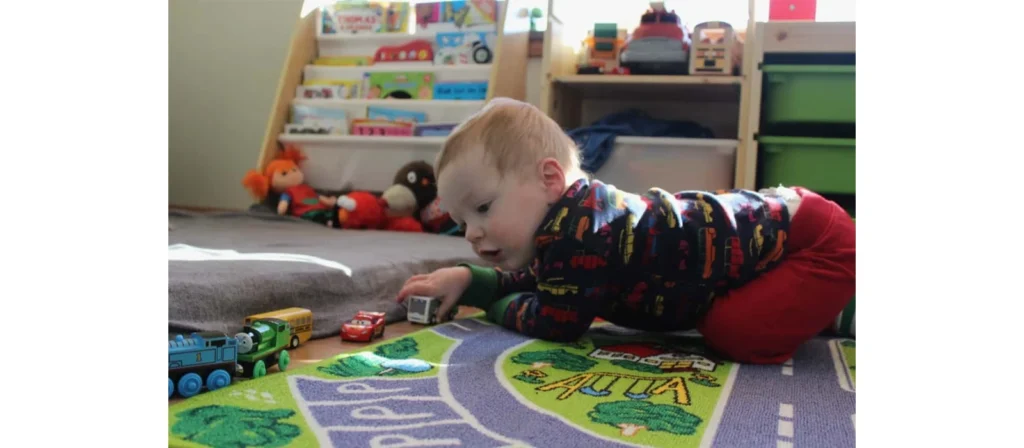
15. Toddler Crawl Zone
A crawl zone provides a safe environment for younger children to move, explore, and build confidence. It supports early social interaction by allowing children to play alongside others in a low-pressure setting.
16. Soft Ball Pit Area
A ball pit offers a playful environment where children can move freely and interact with others. It helps build confidence, encourages social play, and supports sensory comfort through gentle movement.
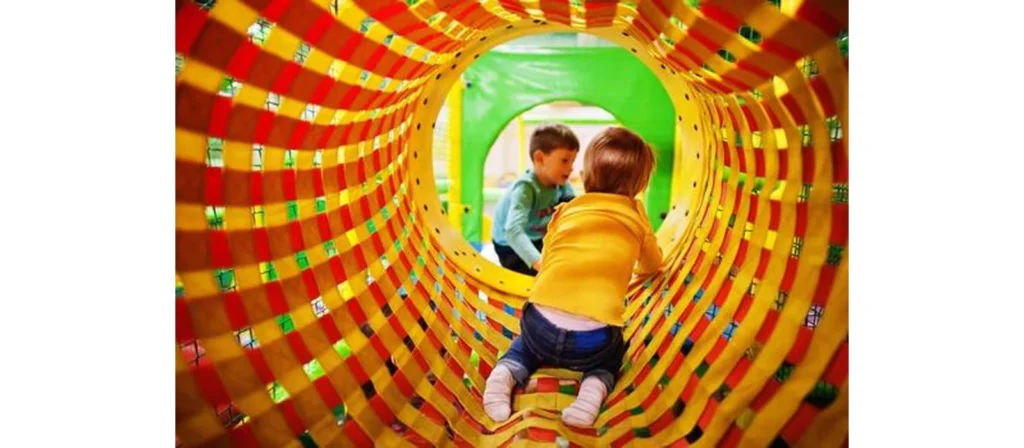
17. Safe Foam Tunnel
Foam tunnels encourage children to explore space and movement in a safe and enclosed environment. This type of play helps reduce anxiety while building confidence and encouraging interaction with peers.
18. Low-Level Slide Setup
Low-height slides provide a gentle introduction to climbing and movement. They help children build confidence and independence while allowing them to engage in simple shared play experiences.
Important Tips for Setting Up an Indoor Playground
Creating great indoor playground ideas requires careful planning alongside attractive equipment. A successful indoor playground should be safe, functional, easy to manage, and suitable for children’s daily learning needs. Before setting up the space, schools and daycare centers should consider several important factors to make sure the playground supports both child development and long-term use.
Prioritize Safety Above Everything
Safety should always be the first consideration when designing an indoor playground. Soft flooring, rounded furniture edges, non-toxic materials, and age-appropriate equipment help reduce injuries and create a secure environment where children can play confidently.
Plan Clear Zones for Different Activities
A good indoor playground should separate active play areas from quiet learning zones. Climbing, sliding, and movement-based activities need open space, while reading corners, sensory stations, and Montessori zones work better in calmer areas with fewer distractions.
Choose Age-Appropriate Equipment
Toddlers, preschoolers, and older kindergarten children have different physical abilities and learning needs. Low-height slides, foam tunnels, and soft play blocks are better for toddlers, while climbing walls and STEM stations are more suitable for older children.
Maximize Small Spaces with Smart Design
Even small classrooms can become effective indoor playgrounds with the right layout. Vertical wall play systems, compact learning stations, foldable equipment, and multi-functional furniture help schools create engaging play spaces without needing a large room.
Include Storage and Easy Maintenance
An indoor playground should stay clean and organized every day. Built-in shelves, hidden cabinets, toy boxes, and easy-to-clean materials help teachers manage the space more efficiently while keeping the environment safe and tidy.
Support Supervision and Accessibility
Teachers should be able to clearly see all play areas without blocked views or hidden corners. Wide pathways, open layouts, and accessible equipment also help create a better experience for children of different ages and abilities.
Final Thoughts
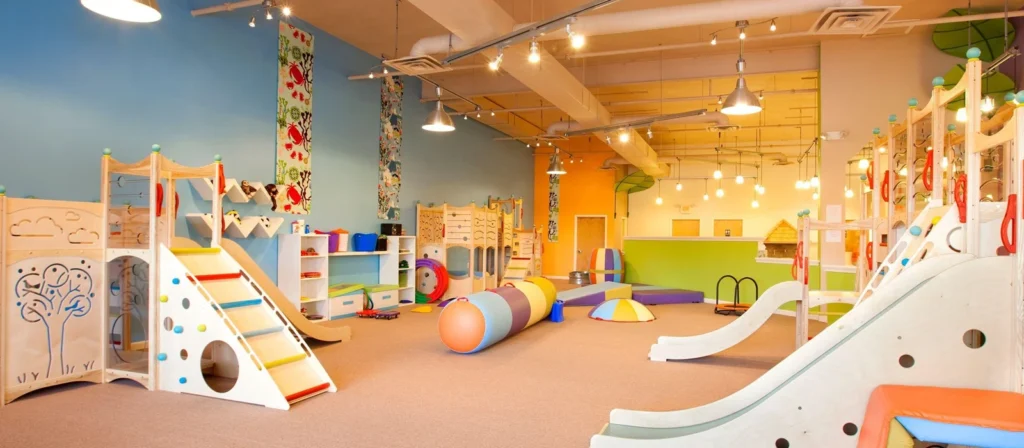
Designing an effective indoor play space starts with understanding how children grow and learn. The best indoor playground ideas focus on purposeful zones that support movement, exploration, creativity, and interaction, making every area more engaging and useful.
By planning around development goals such as motor skills, cognitive learning, creativity, and social interaction, schools can create a balanced environment that supports everyday learning. Even limited spaces can become active and flexible play areas with the right layout and equipment.
Whether you are setting up or upgrading a learning space, these indoor playground ideas offer a clear direction. For high-quality, well-designed solutions, TOP モンテッソーリ provides reliable indoor playground equipment and smart classroom setups that help bring these ideas into practice.





 JA
JA  EN
EN  AR
AR  FR
FR  IT
IT  DE
DE  ES
ES  TH
TH  TR
TR